Avant-Garde Silhouettes: Incorporate Bold Styles into Your 2026 Wardrobe
Avant-Garde Silhouettes: How to Incorporate 4 Bold Styles into Your 2026 Wardrobe
The fashion landscape is a constantly evolving canvas, a testament to human creativity and our desire to express ourselves. As we hurtle towards 2026, the whispers of new trends are growing louder, and at the forefront of this sartorial revolution are avant-garde silhouettes. Forget the conventional; 2026 is poised to be the year of daring shapes, unconventional cuts, and artistic expressions in clothing. This isn’t just about wearing clothes; it’s about making a statement, embracing innovation, and challenging the norms of everyday wear.
For many, the term ‘avant-garde’ conjures images of unwearable runway creations, far removed from the practicalities of daily life. However, this perception is rapidly changing. Designers are increasingly infusing elements of avant-garde aesthetics into more accessible pieces, allowing fashion enthusiasts to integrate these bold styles into their existing wardrobes without sacrificing comfort or functionality. The key lies in understanding these distinctive silhouettes and learning how to interpret them for your personal style.
This comprehensive guide will delve into four pivotal avant-garde silhouettes that are set to dominate in 2026: deconstructed tailoring, oversized volumes, asymmetric drapes, and sculptural forms. We’ll explore the essence of each style, offer practical advice on how to incorporate them into your wardrobe, and provide tips on styling them effectively to create a look that is both cutting-edge and uniquely yours. Prepare to transform your understanding of fashion and step into a future where your clothing is a true extension of your artistic vision.
Deconstructed Tailoring: Redefining Structure
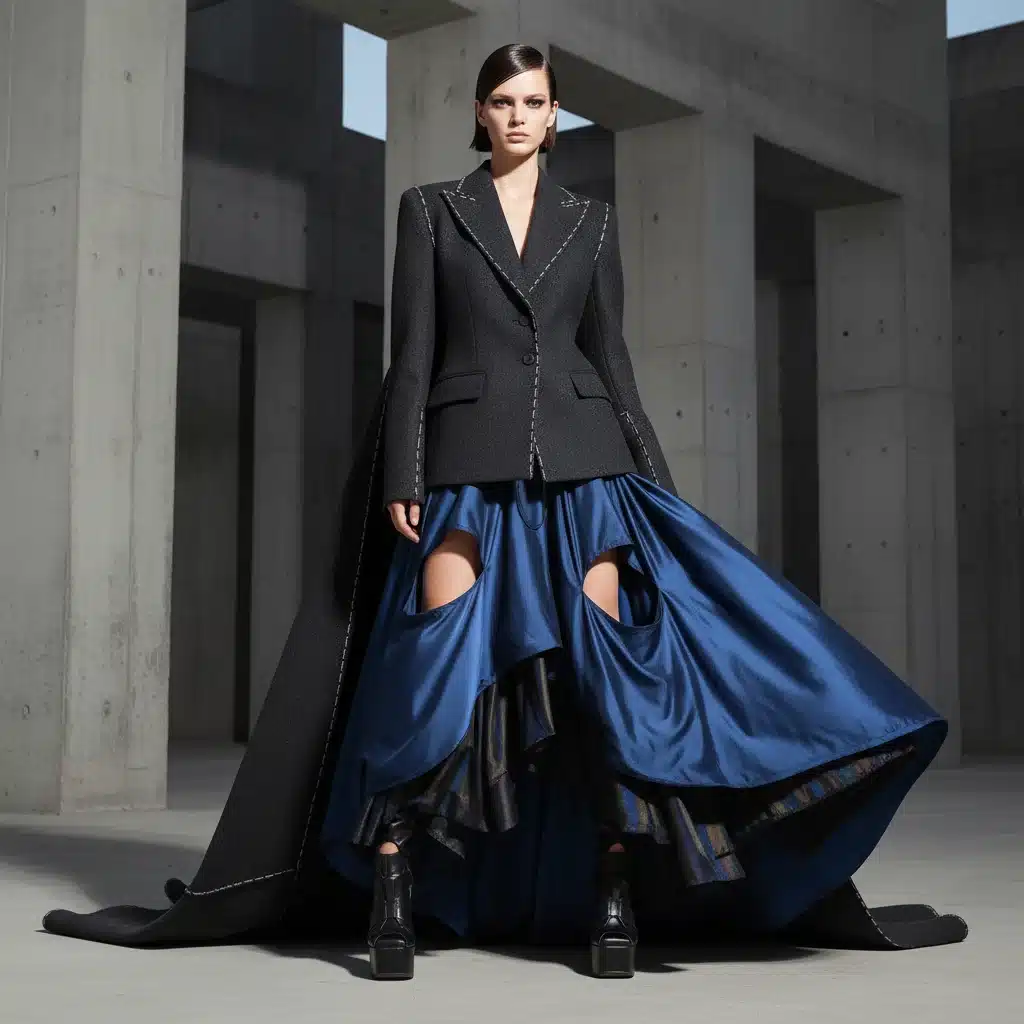
Deconstructed tailoring is perhaps one of the most intellectually stimulating of the avant-garde silhouettes. It’s a rebellion against the rigid rules of traditional suiting, opting instead for an aesthetic that celebrates imperfection, rawness, and a sense of ‘unfinished’ elegance. Think exposed seams, raw edges, mismatched panels, strategically placed cut-outs, and garments that appear to be in a perpetual state of becoming.
The Philosophy Behind Deconstruction
This style is deeply rooted in conceptual art and a critique of fast fashion. It questions the very notion of a ‘finished’ product, inviting us to appreciate the process, the craftsmanship, and the individual components of a garment. It’s about breaking down and rebuilding, creating something new from the familiar. Designers like Rei Kawakubo of Comme des Garçons and Martin Margiela were pioneers in this field, challenging conventional beauty standards and paving the way for contemporary interpretations.
Key Characteristics of Deconstructed Tailoring
- Exposed Seams and Hems: Often left raw or intentionally highlighted, these elements become part of the design rather than hidden details.
- Mismatched Fabrics and Panels: Combining different textures, patterns, or colors within a single garment, creating a patchwork effect.
- Strategic Cut-outs and Slits: Unexpected openings that reveal glimpses of skin or underlying layers, adding an element of surprise.
- Asymmetric Cuts: Jackets with one lapel longer than the other, or skirts with uneven hemlines.
- Inverted or Reversed Elements: Pockets sewn on the outside, linings becoming outer layers, or garments worn inside-out.
How to Incorporate Deconstructed Tailoring into Your 2026 Wardrobe
Integrating deconstructed tailoring into your daily wear can be surprisingly effortless. Start with a single statement piece and build your outfit around it.
- The Deconstructed Blazer: A blazer with exposed seams, an uneven hem, or a unique cut-out instantly elevates a simple t-shirt and jeans. Pair it with tailored trousers for a sophisticated yet edgy look, or with a slip dress for a more feminine contrast.
- Raw-Edge Denim: This is an easy entry point. Jeans or skirts with intentional raw, frayed hems add a touch of deconstructed cool.
- Layering with Purpose: Deconstructed pieces often lend themselves to intricate layering. Wear an open-seam vest over a crisp white shirt, or a jacket with a detached sleeve over a long-sleeved top.
- Focus on Fabric: Look for pieces in high-quality fabrics that hold their shape well, even with deconstructed elements. Wool, heavy cotton, or structured linen work beautifully.
- Balance is Key: If your top is heavily deconstructed, pair it with more streamlined bottoms. If your trousers feature deconstructed elements, opt for a simpler top. This creates a harmonious, intentional look rather than a chaotic one.
Deconstructed tailoring allows you to play with structure and form in a way that feels both artistic and deeply personal. It’s about finding beauty in the unconventional and making a statement without uttering a single word.
Oversized Volumes: Embracing Expansive Silhouettes
The trend of oversized volumes is not entirely new, but in 2026, it takes on a more refined and intentional approach within the realm of avant-garde silhouettes. This isn’t just about wearing clothes that are too big; it’s about manipulating fabric and cut to create exaggerated proportions, dramatic drapes, and a sense of effortless grandeur. It’s a move towards comfort, fluidity, and a powerful, almost cocoon-like presence.
The Allure of the Exaggerated
Oversized volumes offer a sense of liberation. They free the body from restrictive clothing, allowing for movement and creating a striking visual impact. This style often blurs gender lines, promoting a more inclusive and expansive view of fashion. It’s about confidence, comfort, and making a bold statement with generous amounts of fabric.
Key Characteristics of Oversized Volumes
- Exaggerated Shoulders: Broad, padded, or dropped shoulders that create a strong upper body silhouette.
- Voluminous Sleeves: Puffy, balloon, or extra-long sleeves that add drama and movement.
- Wide-Leg Trousers and Skirts: Floor-sweeping hemlines and generous cuts that create a flowing, almost architectural lower half.
- Cocoon Coats and Jackets: Garments that envelop the body, often with soft, rounded shapes and a lack of defined waistlines.
- Layering of Large Pieces: Combining multiple oversized items to create a multi-dimensional, rich silhouette.
How to Incorporate Oversized Volumes into Your 2026 Wardrobe
Mastering oversized volumes requires a careful consideration of proportion and balance. The goal is to look intentionally chic, not swallowed by your clothes.
- Start with One Oversized Piece: A voluminous blazer, a wide-leg pant, or an oversized shirt can be your starting point. Pair it with more fitted items to create contrast. For example, an oversized blazer over a fitted tank top and slim-cut trousers.
- Play with Proportions: If you’re wearing an oversized top, consider pairing it with a more streamlined bottom, or vice versa. This prevents the look from becoming overwhelming. However, don’t shy away from an all-oversized look if you’re feeling adventurous – just ensure the fabrics have good drape and movement.
- Belt It: A belt can be a powerful tool to define your waist and add structure to an otherwise shapeless oversized garment, especially with dresses or long shirts.
- Fabric Choice Matters: Look for fabrics that have a good drape and flow – silks, soft wools, linen blends, or high-quality cottons. Stiff fabrics can make oversized pieces look bulky rather than elegant.
- Accessorize Thoughtfully: Chunky jewelry, statement bags, or bold footwear can complement the grandeur of oversized silhouettes without getting lost in them.
- Consider Footwear: Chunky boots, platforms, or substantial sneakers can balance the weight of oversized clothing.
Oversized volumes are about embracing comfort and making a powerful visual statement. They are a celebration of fluidity and a bold step away from restrictive fashion norms.
Asymmetric Drapes: Dynamic and Fluid Forms
Asymmetric draping is where fabric truly becomes a medium for artistic expression. This style, a cornerstone of avant-garde silhouettes, involves the strategic manipulation of cloth to create uneven hemlines, off-kilter necklines, and dynamic folds that flow and ripple around the body. It’s about movement, unexpected angles, and a sense of effortless, organic elegance.
The Art of the Uneven
The beauty of asymmetry lies in its inherent dynamism. It breaks the monotony of perfect symmetry, creating visual interest and a sense of continuous motion. Designers often draw inspiration from ancient Greek and Roman togas, reinterpreting these fluid forms with modern fabrics and techniques. It’s a style that celebrates the natural flow of fabric and the unique contours of the human body.
Key Characteristics of Asymmetric Drapes
- Uneven Hemlines: Skirts, dresses, and tops with hems that are longer on one side or feature dramatic diagonal cuts.
- Off-Kilter Necklines: Necklines that are not centered, or feature a single shoulder, cowl necklines that fall unevenly, or dramatic one-shoulder designs.
- Strategic Gathers and Folds: Fabric gathered or folded in specific areas to create volume and texture on one side of a garment.
- Diagonal Seams and Panels: Seams that traverse the body at an angle, creating a sense of movement and deconstruction.
- Wraparound Styles: Garments that wrap and tie, allowing for adjustable asymmetry and personalized draping.
How to Incorporate Asymmetric Drapes into Your 2026 Wardrobe
Asymmetric drapes can add an instant touch of sophistication and artistry to your look. The key is to let the drape be the star of your outfit.
- The Asymmetric Top: A top with an uneven hem or a unique neckline can be paired with simple, well-fitting trousers or a skirt. This allows the drape to stand out without competing with other elements.
- Draped Skirts and Dresses: Look for dresses or skirts with a high-low hem or a diagonal cut. These pieces often move beautifully as you walk, adding to their allure.
- Consider Fabric: Flowy fabrics like silk, rayon, jersey, or soft knits are ideal for asymmetric drapes as they allow the fabric to fall naturally and beautifully. Stiffer fabrics might create a more sculptural, rather than fluid, asymmetric look.
- Keep Accessories Minimal: With such a visually interesting garment, you don’t need many accessories. A simple necklace or delicate earrings can complement the look without overpowering it.
- Layering with Care: If layering, ensure the underlying pieces are simple and don’t detract from the drape. A fitted camisole under an asymmetric blouse, for instance.
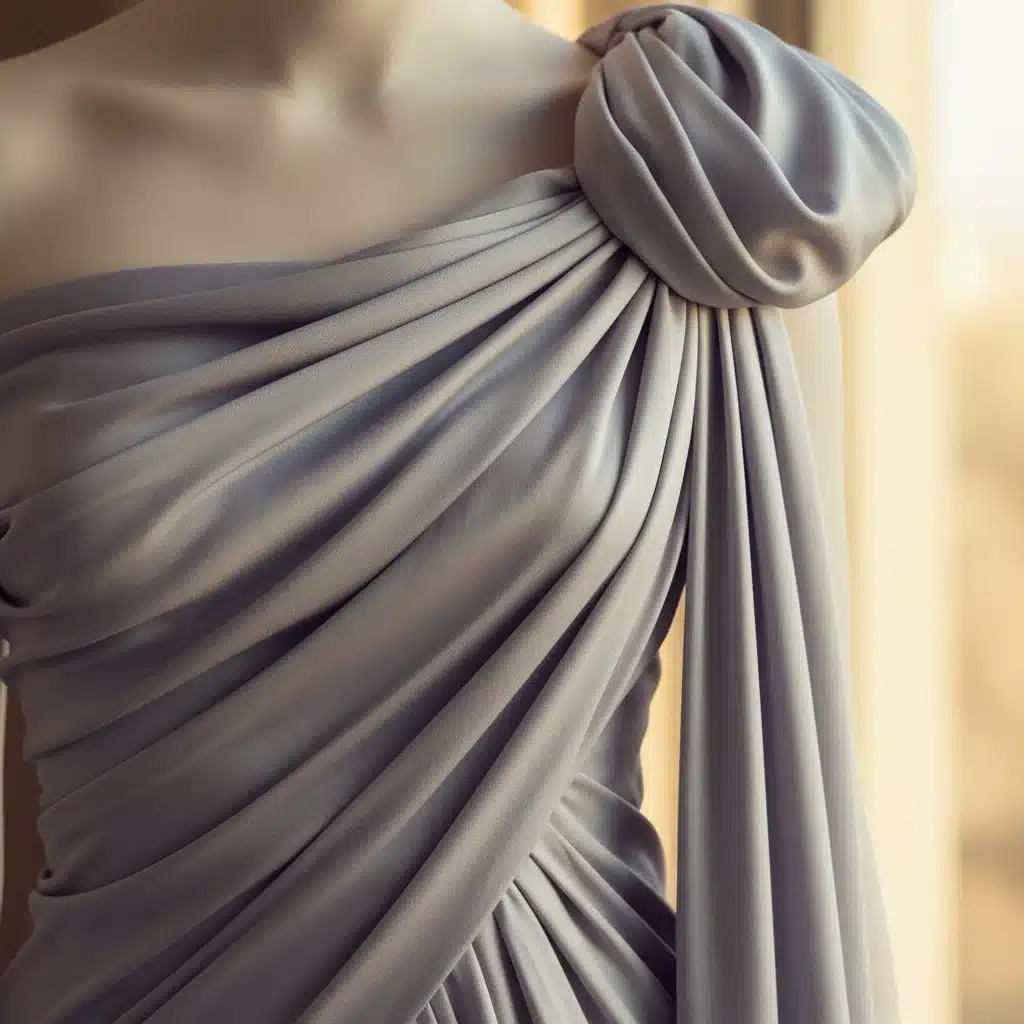
Asymmetric drapes are perfect for those who appreciate fluidity and a subtle yet powerful artistic statement in their clothing. They offer a unique way to play with form and movement.
Sculptural Forms: Wearable Art and Architectural Shapes
Of all the avant-garde silhouettes, sculptural forms are perhaps the most audacious and visually arresting. This style transcends traditional clothing design, venturing into the realm of wearable art where garments are treated as three-dimensional objects. Think architectural shapes, rigid constructions, exaggerated volumes that hold their form, and pieces that look like they could belong in a gallery.
Fashion as Sculpture
Sculptural fashion challenges the very definition of what clothing can be. It often draws inspiration from art, architecture, and even nature, creating pieces that are less about conforming to the body and more about creating a new, dynamic silhouette around it. Designers like Iris van Herpen and Gareth Pugh are masters of this approach, using innovative materials and cutting-edge techniques to create truly transformative garments.
Key Characteristics of Sculptural Forms
- Rigid Structures: Garments that maintain a specific shape, often achieved through internal boning, stiff interlinings, or innovative materials.
- Exaggerated Proportions: Shoulders that extend dramatically, skirts that flare out in unexpected ways, or bodices that create a new torso shape.
- Geometric Shapes: Incorporating squares, circles, triangles, or other geometric forms into the design, creating sharp lines and defined edges.
- Innovative Materials: Utilizing materials like neoprene, rigid satins, coated fabrics, 3D-printed elements, or even unconventional materials to achieve specific forms.
- Minimal Embellishment: The form itself is the embellishment; details are often sparse to emphasize the silhouette.
How to Incorporate Sculptural Forms into Your 2026 Wardrobe
Integrating sculptural forms requires a bold spirit and a thoughtful approach. These pieces are inherently statement-makers.
- One Statement Piece: Choose one sculptural item – perhaps a jacket with exaggerated shoulders, a top with a stiff, peplum-like extension, or a skirt with a dramatic, architectural flare. Let this piece be the focal point of your outfit.
- Balance with Simplicity: Pair a sculptural top with simple, fitted trousers or a sleek pencil skirt. If your bottom is sculptural, opt for a minimalist top. This creates a powerful contrast and allows the sculptural element to shine.
- Consider the Occasion: Sculptural pieces are often best suited for events where you want to make a significant fashion statement – art openings, fashion events, or special occasions.
- Fabric is Crucial: Look for garments made from fabrics that hold their shape well. Neoprene, heavy cotton twill, structured silk gazar, or wool blends are excellent choices.
- Minimal Accessories: Let the garment speak for itself. Opt for very minimal and understated jewelry, or choose pieces that echo the geometric or architectural themes of your clothing.
- Confidence is Your Best Accessory: Wearing sculptural forms requires confidence. Own the look and carry yourself with pride.
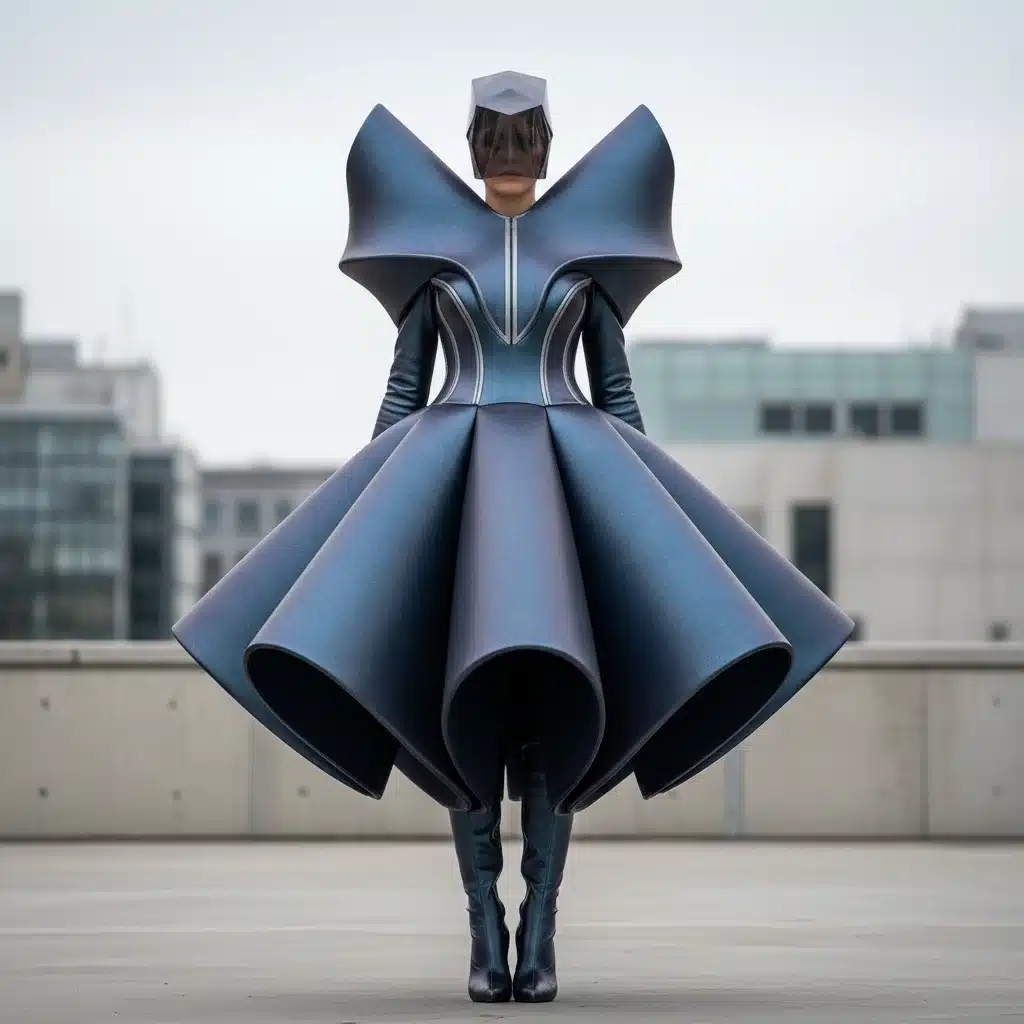
Sculptural forms are for the true fashion pioneers, those who see clothing as an art form and are unafraid to push boundaries.
General Tips for Adopting Avant-Garde Silhouettes in 2026
While each of these avant-garde silhouettes has its unique characteristics, there are overarching principles that can guide you in successfully integrating them into your 2026 wardrobe.
Start Small, Experiment Gradually
You don’t have to overhaul your entire wardrobe overnight. Begin by introducing one or two avant-garde pieces that resonate with you. A deconstructed shirt, an oversized blazer, an asymmetric skirt, or a top with a subtle sculptural detail can be excellent starting points. As you become more comfortable, you can gradually incorporate more daring elements.
Understand Your Body Shape
Even with avant-garde fashion, understanding how different silhouettes interact with your body shape is crucial. While these styles often aim to redefine the body, knowing what works best for your frame will help you choose pieces that flatter and empower you, rather than overwhelm. For instance, if you’re petite, extreme oversized volumes might need careful styling to avoid looking swamped. A defined waist, even with a belt, can help create balance.
Play with Contrast and Balance
Contrast is a powerful tool in avant-garde styling. Pairing a soft, flowing asymmetric top with structured trousers, or an oversized jacket with a sleek, minimalist dress, creates visual interest and sophistication. Balance elements of drama with simplicity to ensure your outfit looks intentional and chic.
Fabric and Texture are Paramount
The success of an avant-garde silhouette often hinges on the fabric. A deconstructed piece in a cheap, flimsy fabric will look messy, whereas the same design in a high-quality wool or linen will appear sophisticated. Similarly, the drape of an asymmetric garment is entirely dependent on the fluidity of its material. Pay attention to how fabrics fall, hold shape, and interact with light.
Accessorize Thoughtfully
With bold silhouettes, accessories should either complement the drama or provide a minimalist counterpoint. Chunky, architectural jewelry can echo sculptural forms, while sleek, understated accessories can allow the clothing to be the sole focus. Avoid overcrowding your look with too many competing elements.
Confidence is Your Ultimate Accessory
Ultimately, the most important element in wearing avant-garde silhouettes is confidence. These styles are designed to be noticed, to provoke thought, and to make a statement. When you wear them with conviction, you not only look good, but you also exude an aura of self-assuredness and individuality that is truly captivating.
Seek Inspiration
Look to fashion editorials, avant-garde designers’ runway shows, and street style from fashion weeks for inspiration. Observe how others are styling these bold pieces and adapt ideas to suit your personal aesthetic. Pinterest, Instagram, and fashion blogs are excellent resources for visual inspiration.
The Future of Fashion is Bold
As we look ahead to 2026, the message from the fashion world is clear: be bold, be experimental, and embrace the unconventional. Avant-garde silhouettes offer a thrilling opportunity to break free from sartorial conventions and express your unique identity through clothing. Whether you’re drawn to the intellectual rebellion of deconstructed tailoring, the liberating expanse of oversized volumes, the fluid artistry of asymmetric drapes, or the architectural grandeur of sculptural forms, there’s an avant-garde path for everyone.
By understanding these key styles and applying thoughtful styling techniques, you can seamlessly integrate these bold looks into your wardrobe, transforming your everyday attire into a canvas of innovation and personal expression. Don’t be afraid to experiment, to play, and to make fashion truly your own. The future of fashion is waiting, and it’s calling for you to embrace its most daring and beautiful forms.
Step out of your comfort zone and into the world of avant-garde fashion. Your 2026 wardrobe will thank you for it.