Store Credit Card Perks: Is 15% Off Worth It? An In-Depth Analysis

In the bustling world of retail, it’s a common scenario: you’re at the checkout, excited about your purchases, and then the cashier asks, “Would you like to save an extra 15% today by opening a store credit card?” That immediate discount, often ranging from 10% to 20%, can be incredibly tempting. It feels like instant gratification, a smart way to shave a bit off your total. But beneath the surface of that enticing offer lies a complex financial product with its own set of advantages and disadvantages. The question isn’t just about the immediate savings; it’s about whether a store credit card is truly worth it in the long run for your financial health.
This comprehensive guide will delve deep into the world of store credit card perks, particularly focusing on that alluring initial discount. We’ll dissect the true value of these cards, explore their potential pitfalls, and equip you with the knowledge to make an informed decision next time you’re faced with that offer at the register. By the end, you’ll be able to confidently answer: “Is that extra 15% off really worth it?”
Understanding the Allure of the Store Credit Card Discount
The immediate appeal of a store credit card is undeniable. That 10%, 15%, or even 20% off your current purchase can feel like found money. For a large purchase, say a new appliance or a wardrobe overhaul, these savings can amount to a significant sum. Retailers strategically offer these discounts as a powerful incentive to get you to sign up. They know that instant gratification is a strong motivator, and many consumers are happy to save money right away without fully considering the long-term implications.
Beyond the initial discount, store credit cards often come with other perks designed to foster loyalty. These might include:
- Ongoing Discounts: Exclusive coupons, birthday discounts, or special sale access for cardholders.
- Rewards Programs: Points for every dollar spent, redeemable for future purchases, gift cards, or other merchandise.
- Special Financing Offers: “No interest if paid in full” promotions for a certain period, which can be attractive for larger purchases if managed correctly.
- Early Access to Sales: Cardholders sometimes get to shop sales before the general public, a perk for dedicated shoppers.
- Free Shipping: For online retailers, this can be a significant ongoing saving.
For frequent shoppers at a particular store, these benefits can seem quite attractive, potentially leading to substantial savings over time. However, it’s crucial to look beyond the shiny facade and understand the full financial picture before committing to a new store credit card.
The Hidden Costs and Potential Pitfalls of Store Credit Cards
While the initial discount and ongoing perks are appealing, store credit cards come with a set of potential downsides that can quickly outweigh the benefits if not managed carefully. The most significant of these is often the interest rate.
High Annual Percentage Rates (APRs)
This is perhaps the biggest red flag for most store credit cards. Their Annual Percentage Rates (APRs) are notoriously high, often significantly higher than general-purpose credit cards. It’s not uncommon to see APRs ranging from 25% to 30% or even higher. If you carry a balance, even a small one, the interest charges can quickly erode any savings you initially gained. That 15% discount on your first purchase could be wiped out by just a few months of interest on an unpaid balance.
Deferred Interest Promotions: A Double-Edged Sword
Many store credit cards offer “no interest if paid in full within X months” promotions. These can be beneficial if you are absolutely certain you can pay off the entire balance before the promotional period ends. However, if you fail to pay off the full amount by the deadline, you’ll often be charged interest retroactively from the original purchase date on the entire balance, not just the remaining amount. This deferred interest can be a costly surprise and can quickly turn a “good deal” into a financial burden.
Impact on Your Credit Score
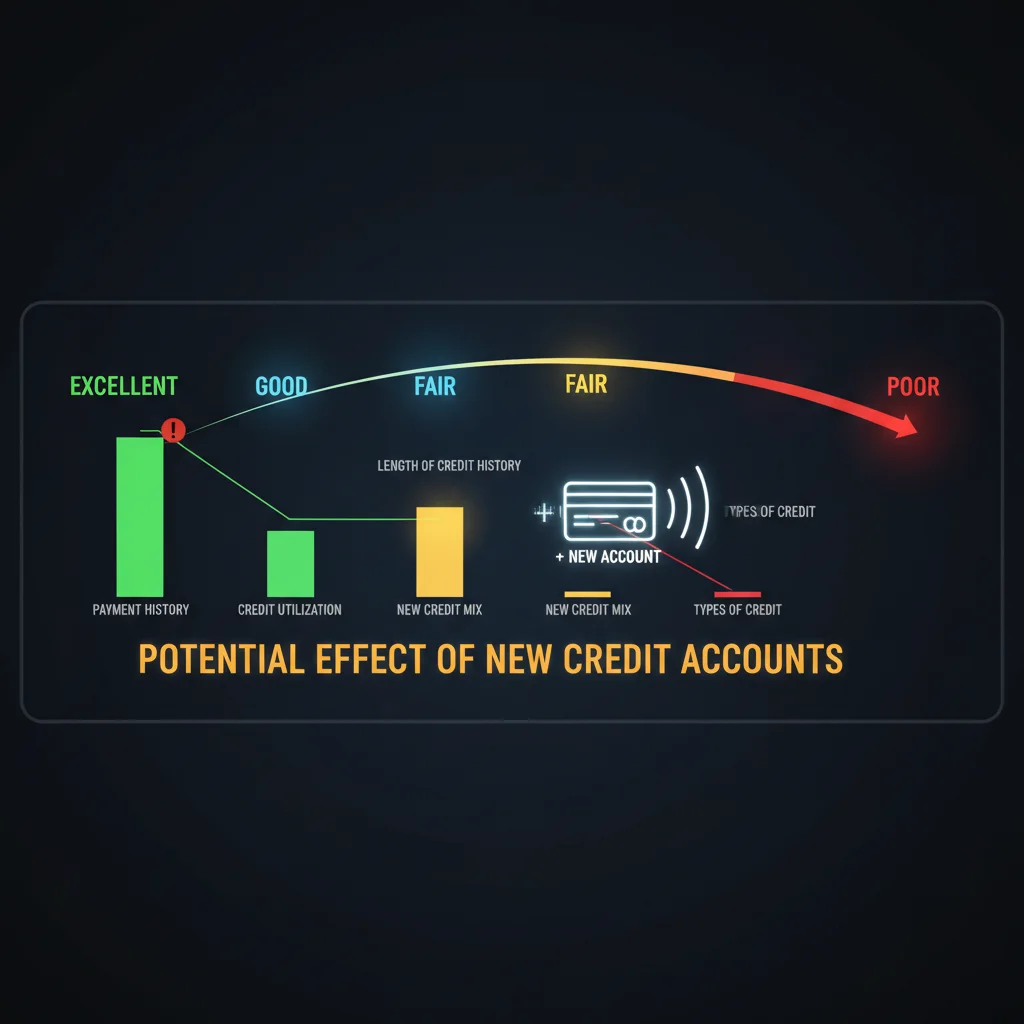
Opening a new store credit card, like any new credit account, can have an impact on your credit score. Here’s how:
- Hard Inquiry: When you apply for a new credit card, the lender performs a “hard inquiry” on your credit report. This can temporarily lower your credit score by a few points. While a single inquiry usually isn’t devastating, multiple inquiries in a short period can signal risk to lenders.
- Average Age of Accounts: A new account lowers the average age of all your credit accounts, which is a factor in your credit score. If you have a long credit history, this impact might be minimal, but for those with shorter credit histories, it can be more noticeable.
- Credit Utilization Ratio: While a new credit line can increase your total available credit (which can be good for your utilization ratio), if you immediately max out the card or carry a high balance, your utilization ratio will increase, negatively impacting your score.
Encouraging Overspending
The primary goal of a store credit card for the retailer is to encourage you to spend more money at their store. The allure of ongoing discounts, rewards, and special financing can lead to impulse purchases or buying things you don’t truly need, simply because you have the card and feel like you’re getting a “deal.” This can undermine your budgeting efforts and lead to debt.
Limited Usability
Unlike general-purpose credit cards (Visa, Mastercard, American Express, Discover), most store credit cards can only be used at that specific retailer or its affiliated brands. This limits their utility and means you’re carrying a card that isn’t versatile for everyday spending, making them less valuable than a card you can use anywhere.
When a Store Credit Card Might Be a Good Idea (and When It’s Not)
Despite the potential downsides, there are specific scenarios where a store credit card might offer genuine value. It’s all about your spending habits, financial discipline, and specific needs.
It Might Be Worth It If:
- You are a frequent and loyal shopper at that specific store: If you regularly spend a significant amount of money at a particular retailer and can consistently take advantage of their ongoing discounts and rewards, the benefits might accumulate.
- You can pay off the balance in full, every single month: This is the golden rule for any credit card, but especially for store credit cards with their high APRs. If you treat it like a charge card and pay the statement balance in full before the due date, you’ll avoid interest charges and only reap the rewards.
- You have excellent credit and a long credit history: The impact of a new hard inquiry and a slightly lower average age of accounts will be minimal for someone with an already strong credit profile.
- You need to build (or rebuild) credit: For individuals with limited credit history, a store credit card can sometimes be easier to obtain than a general-purpose credit card. If managed responsibly (paying on time, keeping utilization low), it can be a stepping stone to establishing a good credit score. However, a secured credit card or a general-purpose card with a low limit might be a better, more versatile option.
- You are making a large, planned purchase and can utilize a 0% APR offer responsibly: If you need to buy a big-ticket item (e.g., furniture, appliances) and the store offers a 0% APR for a promotional period, and you are 100% confident you can pay the entire balance before the promotion ends, it can act as an interest-free loan. Just be acutely aware of the deferred interest clause.
It’s Probably NOT Worth It If:
- You are tempted to carry a balance: If there’s any doubt about your ability to pay off the entire statement balance each month, the high APRs will quickly negate any savings.
- You rarely shop at that particular store: Opening a card for a one-time 15% discount on a small purchase is rarely a good financial move, especially considering the potential credit score impact.
- You are trying to improve your credit score quickly: While a store credit card can help build credit, the initial hard inquiry and potential for high utilization if not managed well can hinder progress. There are often better tools for credit building.
- You are prone to impulse purchases: The constant stream of exclusive offers and discounts can be a trap, encouraging you to buy things you don’t need, leading to unnecessary debt.
- You already have too many credit cards: Juggling too many cards can make managing payments and understanding terms difficult, increasing the risk of missed payments or accumulating debt.
How to Evaluate a Store Credit Card Offer
Next time you’re faced with the “15% off” offer, don’t just jump at it. Take a moment to consider these factors:
1. Calculate the Real Savings
How much is that 15% discount actually saving you on today’s purchase? If it’s a $50 item, you’re saving $7.50. Is that worth a new credit inquiry and a potential high-APR card? If it’s a $1000 item, you’re saving $150, which is more substantial. But even then, consider the long-term.
2. Understand the APR
Ask about the standard APR. If it’s 25% or higher, and you anticipate carrying a balance even once, proceed with extreme caution. Compare it to your existing credit cards. If you need to carry a balance, you’re almost always better off doing so on a general-purpose card with a lower interest rate.
3. Read the Fine Print on 0% APR Offers
For deferred interest promotions, understand the exact terms. When does the promotional period end? What is the penalty if you don’t pay in full? Is the interest retroactive? Set reminders to pay off the balance well before the deadline.
4. Assess Your Spending Habits
Are you a disciplined budgeter who pays off credit card balances in full every month? Or are you someone who often carries a balance? Be honest with yourself. A store credit card can be particularly dangerous for those who struggle with credit card debt.
5. Consider Your Credit Score
Are you about to apply for a mortgage, car loan, or another significant line of credit? A new credit inquiry and account could temporarily ding your score, which might impact your ability to get the best rates on those larger loans. If so, it’s best to hold off on opening new credit accounts.
6. Evaluate Ongoing Perks vs. Real Value
Beyond the initial discount, how valuable are the other perks? Will you genuinely use the free shipping or exclusive discounts? Do the rewards points translate into meaningful savings for you? Sometimes, the “perks” are designed more to entice you to spend than to provide substantial value.

Alternatives to Store Credit Cards
If a store credit card doesn’t seem like the right fit, but you still want to save money, consider these alternatives:
- Coupon Codes and Sales: Many stores regularly offer discounts through their websites, email newsletters, or third-party coupon sites that don’t require opening a new credit line.
- General-Purpose Rewards Credit Cards: A good cashback or travel rewards credit card can offer more versatile rewards that apply to all your spending, not just at one store. These often have lower APRs (for qualified applicants) and better consumer protections.
- Budgeting and Saving: The most straightforward way to save money is to budget effectively and save up for purchases. This avoids interest charges altogether.
- Price Matching: Some stores will price match competitors, allowing you to get a better deal without applying for new credit.
- Wait for Major Sales: Instead of relying on a store credit card discount, plan your purchases around major sales events like Black Friday, Cyber Monday, or end-of-season clearances.
The Psychology Behind the Offer: Why Retailers Push Store Credit Cards
It’s important to understand the retailer’s perspective. They aren’t offering you a store credit card out of pure generosity. There are significant benefits for them:
- Increased Loyalty: Cardholders tend to spend more and shop more frequently at that particular store.
- Access to Customer Data: Knowing more about their cardholders’ spending habits allows them to tailor marketing and promotions more effectively.
- Profits from Interest: With high APRs, interest charges can be a substantial revenue stream for the bank that issues the card (often a third-party bank, not the retailer itself, though the retailer benefits from the partnership).
- Higher Average Transaction Value: Customers with a store card are often more likely to make larger purchases, knowing they have a credit line available.
Understanding these motivations can help you make a more objective decision, rather than being swayed solely by the immediate discount.
Managing a Store Credit Card Responsibly (If You Decide to Get One)
If, after careful consideration, you decide that a store credit card aligns with your financial strategy, here are essential tips for responsible management:
- Pay in Full, Every Time: This cannot be stressed enough. Always aim to pay your statement balance in full by the due date to avoid high-interest charges.
- Set Up Auto-Pay: To ensure you never miss a payment, set up automatic payments for the full statement balance from your checking account.
- Monitor Your Spending: Treat the store credit card like cash. Don’t spend more than you can afford to pay off.
- Keep Your Credit Utilization Low: Aim to keep your balance below 30% of your credit limit (ideally even lower) to protect your credit score.
- Understand All Terms and Conditions: Be fully aware of the APR, any annual fees, late payment fees, and especially the terms of any deferred interest promotions.
- Don’t Open Too Many: Resist the urge to open a card at every store. Each new card can impact your credit score and make managing your finances more complex.
- Close Unused Cards (Carefully): If you find you no longer shop at a particular store and the card has an annual fee, consider closing it. However, be aware that closing an old, paid-off account can sometimes negatively impact your credit score by reducing your total available credit and shortening your average age of accounts. If it has no annual fee and you don’t use it, it might be better to keep it open with a zero balance.
Conclusion: Is That 15% Off Really Worth It?
The answer to whether a store credit card, with its tempting 15% off, is a resounding “it depends.” For the financially disciplined individual who is a loyal shopper at a particular store and consistently pays their balance in full, it can offer a legitimate way to save money and earn rewards. However, for anyone prone to carrying a balance, making impulse purchases, or who is sensitive about their credit score, the immediate gratification of a discount can quickly be overshadowed by high-interest debt and a damaged credit profile.
Before saying “yes” to that offer at the checkout, take a moment to pause. Consider your financial habits, the true cost of borrowing, and whether the long-term benefits truly outweigh the potential risks. Often, that immediate 15% discount is just the bait, and the real cost could be much higher than you anticipate. Make an informed decision that aligns with your financial well-being, not just a momentary saving.