Clean Beauty on a Budget: Optimize Spending by 15% in 2026
The Cost of Clean Beauty: How to Optimize Your Spending by 15% in 2026
In an era where conscious consumerism is more than just a trend, the clean beauty movement has gained significant traction. Consumers are increasingly scrutinizing ingredient lists, demanding transparency, and seeking products that are not only effective but also ethical and environmentally friendly. However, the perception often lingers that ‘clean’ equates to ‘expensive.’ While some premium clean beauty brands do come with a hefty price tag, it is entirely possible to navigate this landscape intelligently and even optimize clean beauty spending without compromising on quality or principles. This comprehensive guide will equip you with the knowledge and strategies to reduce your clean beauty expenditure by a significant 15% by 2026, proving that a healthy glow doesn’t have to break the bank.
The journey to optimize clean beauty spending begins with understanding what ‘clean beauty’ truly entails. It’s not just about avoiding a few notorious chemicals; it’s about a holistic approach to product formulation, sourcing, and sustainability. As we delve deeper, we’ll uncover how to identify genuinely clean products, decipher marketing jargon, and make informed choices that benefit both your skin and your wallet. By implementing the tips and tricks outlined here, you’ll be well on your way to a more sustainable, affordable, and equally effective beauty routine.
Understanding the Clean Beauty Landscape: Why the Price Tag?
Before we can effectively optimize clean beauty spending, we need to understand why clean beauty products sometimes carry a higher price tag than their conventional counterparts. Several factors contribute to this:
- Ingredient Sourcing: High-quality, ethically sourced, and organic ingredients often cost more to produce and procure. Conventional beauty often relies on cheaper synthetic alternatives.
- Research & Development: Formulating effective products without common problematic ingredients requires extensive research and development. Brands invest heavily in finding safe, stable, and efficacious natural alternatives.
- Smaller Scale Production: Many clean beauty brands operate on a smaller scale, which means they don’t benefit from the economies of scale that large conventional brands do.
- Certifications: Obtaining certifications (e.g., USDA Organic, Leaping Bunny, EWG Verified) involves rigorous testing and recurring fees, which are often passed on to the consumer.
- Sustainable Packaging: Eco-friendly packaging, such as glass, recycled plastics, or refillable options, can be more expensive to produce than standard plastic containers.
- Transparency & Traceability: Clean beauty brands often invest in supply chain transparency, allowing consumers to know where ingredients come from, which can add to operational costs.
Understanding these underlying costs helps in appreciating the value of clean beauty and strategizing how to optimize clean beauty purchases without sacrificing the core principles. It’s about smart shopping, not necessarily cheap shopping.
Strategy 1: Become an Ingredient Detective – Your First Step to Savings
The most powerful tool in your arsenal to optimize clean beauty spending is knowledge. By becoming adept at reading ingredient labels, you can avoid marketing hype and identify truly effective products. Many conventional brands use ‘greenwashing’ tactics, highlighting one or two natural ingredients while still including undesirable chemicals. Here’s how to become an ingredient detective:
Know Your ‘Dirty Dozen’ (and Beyond)
Familiarize yourself with common ingredients to avoid, such as parabens, phthalates, sulfates (SLS/SLES), synthetic fragrances, PEGs, silicones, and formaldehyde-releasing preservatives. Numerous resources online, like the Environmental Working Group (EWG) Skin Deep database, can help you quickly identify problematic ingredients.
Focus on Active Ingredients
Don’t be swayed by a long list of exotic extracts. Identify the key active ingredients that will deliver the results you’re looking for. For example, if you need hydration, look for hyaluronic acid or glycerin high up on the list. If it’s exfoliation, salicylic acid or AHAs. Often, a product with a few potent active ingredients is more effective than one with dozens of diluted extracts.
Understand Ingredient Concentration
Ingredients are listed in order of concentration, from highest to lowest. If a beneficial ingredient is at the very end of the list, it’s likely present in such small amounts that it won’t be effective. Prioritize products where key active ingredients are within the first five to ten items.
Look for Multi-Tasking Ingredients
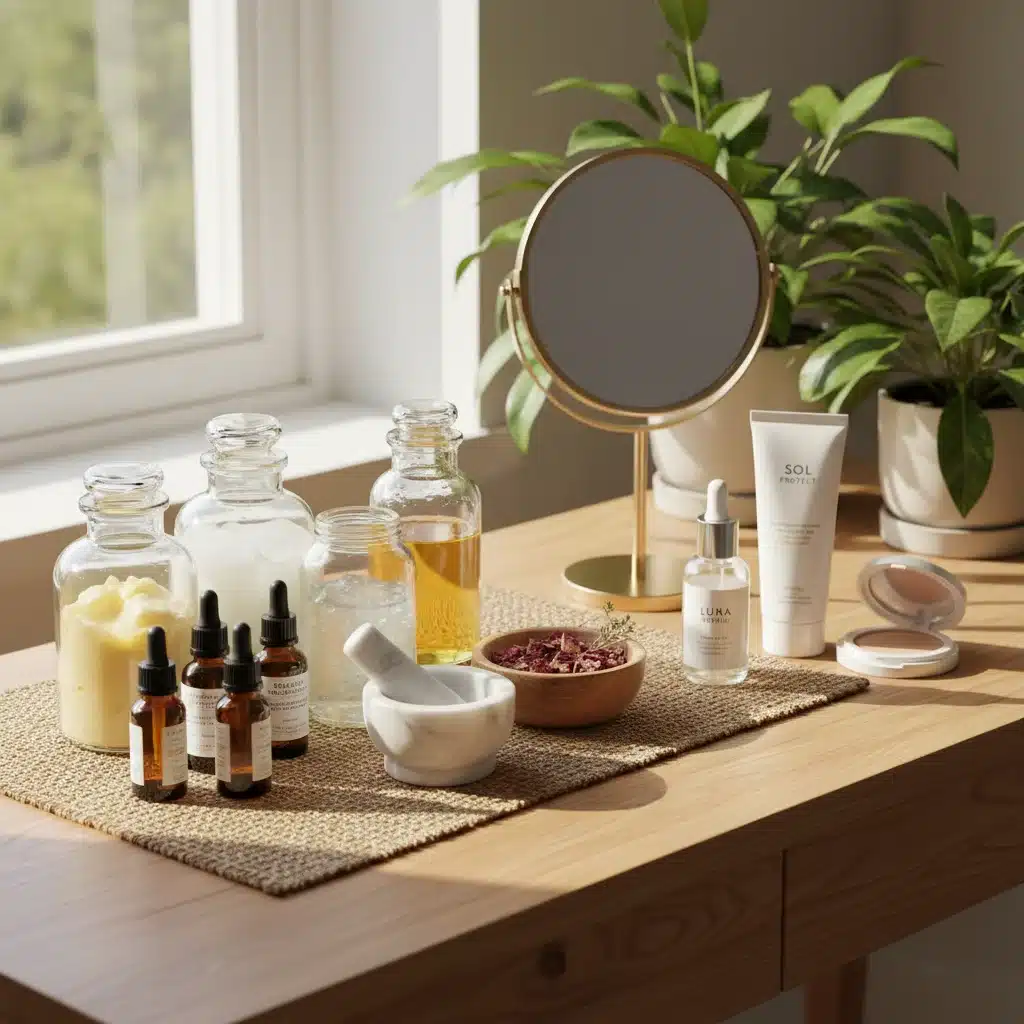
Ingredients like shea butter, jojoba oil, or rosehip oil are incredibly versatile. Shea butter can be a moisturizer, lip balm, and even a hair conditioner. Jojoba oil can be a makeup remover, facial oil, and body moisturizer. Opting for products or pure ingredients that serve multiple purposes can significantly reduce the number of products you need to buy, helping you to optimize clean beauty costs.

Strategy 2: Embrace DIY and Ingredient Minimalism
One of the most effective ways to optimize clean beauty spending is to embrace a more minimalist approach and, where appropriate, venture into DIY solutions. This doesn’t mean making everything from scratch, but rather identifying simple, effective alternatives.
Single-Ingredient Powerhouses
Many natural oils and butters are clean beauty staples that can replace multiple specialized products. Consider:
- Jojoba Oil: Excellent for all skin types, it mimics skin’s natural sebum. Use as a moisturizer, oil cleanser, or hair oil.
- Rosehip Oil: Rich in vitamins and essential fatty acids, great for scars, fine lines, and overall skin radiance.
- Shea Butter: A deeply moisturizing emollient for face, body, and even chapped lips.
- Aloe Vera Gel: Soothing, hydrating, and great for post-sun care or as a lightweight moisturizer.
Buying these in their pure form from reputable suppliers is often far more cost-effective than purchasing complex formulations that contain them.
Simple DIY Recipes
You don’t need a chemistry degree to make simple, effective clean beauty products. Start with basics:
- Facial Masks: Honey, oatmeal, yogurt, and clay can be combined for nourishing and purifying masks.
- Body Scrubs: Sugar or salt mixed with olive oil or coconut oil makes an excellent exfoliant.
- Hair Rinses: Apple cider vinegar diluted with water can be a great natural conditioner and scalp clarifier.
These DIY options are not only budget-friendly but also ensure you know exactly what’s onto your skin, further helping you to optimize clean beauty practices.
Strategy 3: Smart Shopping Habits and Brand Exploration
Navigating the retail side of clean beauty requires a strategic approach. Not all clean beauty brands are created equal in terms of price, and smart shopping can yield significant savings.
Explore Affordable Clean Beauty Brands
The clean beauty market has expanded, bringing with it more accessible options. Brands like The Ordinary, Versed, Acure, Pacifica, and cocokind offer effective formulations at drugstore prices. Don’t assume that a higher price always means better quality; many of these brands prioritize efficacy and clean ingredients without the premium markups of luxury counterparts.
Leverage Sales and Promotions
Sign up for newsletters from your favorite clean beauty retailers and brands. They often announce sales, exclusive discounts, and loyalty programs. Black Friday, Cyber Monday, and seasonal sales are excellent times to stock up on staples. Look for bundle deals, which can offer significant savings when buying multiple products from the same line.
Prioritize and Deprioritize
Not every product in your routine needs to be a high-end clean beauty splurge. Consider where you want to invest more. For instance, you might choose to spend more on a high-quality serum or moisturizer, which stay on your skin longer and deliver targeted benefits. For cleansers or toners, which are on your skin for a shorter duration, more affordable clean options might be perfectly adequate. This strategic allocation of your budget is key to helping you optimize clean beauty spending.
Consider Refillable and Concentrated Products
Many clean beauty brands are embracing refillable packaging, which often means you pay less for subsequent purchases as you’re only buying the product, not the packaging. Similarly, concentrated formulas (like waterless cleansers or solid shampoos) often last longer, providing more uses per purchase and reducing overall cost.
Strategy 4: Evaluate Your Routine – Less is Often More
The beauty industry often encourages a multi-step routine, suggesting that more products lead to better results. However, for many, a minimalist approach can be just as effective, if not more so, and significantly cheaper. This is a crucial step to optimize clean beauty spending.
Identify Your Skin’s True Needs
Are you using a product because you genuinely need it, or because marketing told you to? Simplify your routine by focusing on the essentials: a gentle cleanser, a targeted treatment (if needed, e.g., for acne or anti-aging), a moisturizer, and sunscreen. Many people find their skin thrives with fewer products, as it reduces the chance of irritation and product overload.
Multi-Tasking Products
Revisit the idea of multi-tasking products. A good facial oil can double as a moisturizer and a makeup remover. A tinted moisturizer with SPF can replace foundation, sunscreen, and a separate moisturizer. Look for products designed to serve multiple functions to reduce the total number of items in your regimen.
Patch Testing and Patience
Before committing to a full-size product, especially a pricier one, try to get samples or purchase travel sizes. This prevents wasted money on products that don’t work for your skin. Also, give new products time to work. Don’t constantly switch products, as this can irritate your skin and lead to unnecessary purchases. A consistent, simple routine is often the most effective and economical way to optimize clean beauty results.
Strategy 5: Embrace Sustainability for Long-Term Savings
Sustainability and cost-effectiveness often go hand-in-hand, especially when you consider the long-term impact. By making more sustainable choices, you not only benefit the planet but also your wallet, further helping you to optimize clean beauty habits.
Reduce Waste, Save Money
Minimize product waste. Use every last drop of your products. Cut open tubes to get the remaining product. Store products correctly (away from direct sunlight and extreme temperatures) to prolong their shelf life. This simple habit prevents you from repurchasing items sooner than necessary.
Invest in Reusable Alternatives
Swap disposable cotton pads and makeup wipes for reusable bamboo or cotton rounds. While there’s an initial investment, these last for years, saving you money in the long run and reducing landfill waste. Similarly, consider solid shampoo and conditioner bars, which often last longer than their liquid counterparts and come with minimal packaging.
Support Brands with Sustainable Practices
While some sustainable brands might seem pricier upfront, supporting companies committed to ethical sourcing, fair trade, and eco-friendly manufacturing often means you’re investing in products that are made to a higher standard and are often more concentrated or effective, leading to less frequent repurchases. Look for brands that offer take-back programs for their packaging or use recycled materials.
Putting It All Together: Your 15% Optimization Plan for 2026
Achieving a 15% reduction in your clean beauty spending by 2026 is an attainable goal with consistent effort. Here’s a step-by-step plan to integrate these strategies:
- Audit Your Current Stash (Week 1): Go through all your beauty products. Discard anything expired or unused. Note down what you have and what you actually use regularly.
- Track Your Spending (Month 1): For one month, meticulously track every clean beauty purchase. This will give you a baseline for your current expenditure.
- Become an Ingredient Expert (Ongoing): Dedicate time each week to research ingredients. Use apps and websites to check product safety and efficacy. Start comparing labels in stores.
- Identify Replacement Opportunities (Month 2): Look for products you can replace with single-ingredient powerhouses or simple DIY alternatives. Start with one or two items.
- Research Affordable Alternatives (Month 3): Identify 2-3 affordable clean beauty brands that align with your values and skin needs. Try one new product from an affordable brand.
- Implement Smart Shopping Habits (Ongoing): Sign up for newsletters, set price alerts, and plan your purchases around sales.
- Simplify Your Routine (Month 4): Gradually reduce the number of products you use. Focus on multi-tasking items.
- Embrace Reusables (Month 5): Invest in reusable cotton rounds or makeup remover cloths.
- Review and Adjust (Quarterly): Every three months, review your spending and your routine. What’s working? Where can you save more? Are you still on track to optimize clean beauty spending by 15%?
By consistently applying these strategies, you’ll not only see a significant reduction in your clean beauty budget but also cultivate a more mindful, sustainable, and effective beauty routine. Remember, clean beauty is a journey, not a destination, and optimizing your spending is an integral part of that journey.
Conclusion: A Smarter, More Sustainable Glow Awaits
The notion that clean beauty must be prohibitively expensive is a myth that needs debunking. By becoming an informed consumer, embracing minimalism, making smart shopping choices, and prioritizing sustainability, you can absolutely optimize clean beauty spending. Our goal of a 15% reduction by 2026 is not just about saving money; it’s about fostering a deeper connection with the products you use, understanding their true value, and making conscious decisions that benefit your skin, your wallet, and the planet.
The clean beauty movement is about empowerment – empowerment through knowledge, through choice, and through sustainable practices. By following the strategies outlined in this guide, you are not just cutting costs; you are investing in a healthier, more ethical, and ultimately more radiant future for yourself and the world around you. Start your journey today to a more optimized and conscious clean beauty regimen!