Gen Z Fashion Trends 2026: Micro-Trends Reshaping the Market
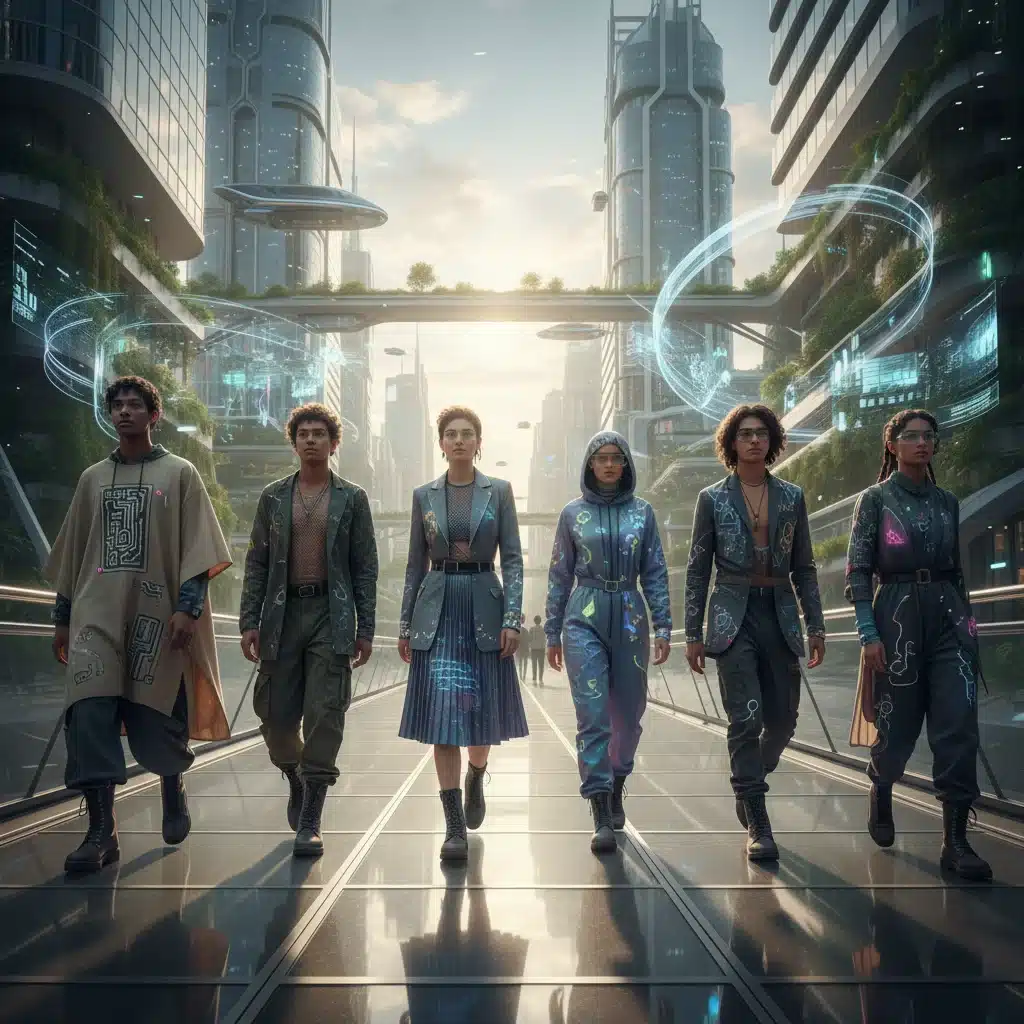
The fashion landscape is in constant flux, a dynamic tapestry woven with threads of societal shifts, technological advancements, and evolving consumer values. At the forefront of this evolution, shaping not just what we wear but how we think about clothing, stands Generation Z. This demographic, born roughly between the mid-1990s and the early 2010s, is not just a consumer group; they are a cultural force, wielding unprecedented influence over trends, brand narratives, and the very ethics of the industry. As we cast our gaze towards 2026, understanding the nuances of Gen Z fashion 2026 becomes paramount for brands, designers, and anyone invested in the future of style. Their digital fluency, social consciousness, and demand for authenticity are not merely preferences; they are foundational pillars upon which the future of fashion will be built.
This article delves deep into the pivotal role of Gen Z, dissecting three key micro-trends that are not only gaining traction but are fundamentally reshaping the market for 2026 and beyond. These aren’t fleeting fads but rather profound shifts in consumer behavior and values that necessitate a re-evaluation of traditional fashion paradigms. From their unwavering commitment to sustainability to their seamless integration of digital identities into their physical wardrobes, and their radical embrace of fluid individuality, Gen Z is dictating a new rhythm for the fashion world. Prepare to uncover how these powerful forces are driving innovation, challenging norms, and ultimately defining the aesthetic and ethical compass of Gen Z fashion 2026.
The Rise of Conscious Consumption: Sustainability as the New Luxury
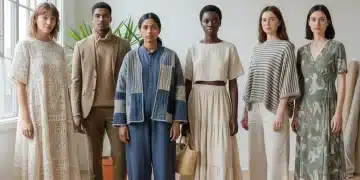
For Gen Z, sustainability is not a buzzword; it’s a non-negotiable. This generation has grown up acutely aware of climate change, social injustice, and the environmental impact of fast fashion. Their purchasing decisions are increasingly guided by ethical considerations, transforming conscious consumption into the new hallmark of luxury. This isn’t about exorbitant price tags, but about the value placed on transparency, ethical production, and environmental responsibility. Brands that fail to demonstrate a genuine commitment to these principles risk alienating this powerful demographic, which prioritizes purpose over mere profit.
Transparency and Traceability: The Demand for Accountability
One of the most significant aspects of conscious consumption in Gen Z fashion 2026 is the demand for transparency. Gen Z consumers want to know where their clothes come from, how they are made, and by whom. They are adept at researching brands, scrutinizing supply chains, and calling out greenwashing. This has led to a surge in brands providing detailed information about their manufacturing processes, material sourcing, and labor practices. Blockchain technology, for instance, is emerging as a powerful tool to offer immutable records of a garment’s journey from raw material to finished product, satisfying Gen Z’s need for verifiable ethical claims. Brands that are open about their challenges and progress in sustainability gain trust, while those that hide behind vague statements lose credibility rapidly.
Moreover, traceability extends beyond just the initial production. Gen Z is interested in the entire lifecycle of a garment, including its end-of-life. This fuels interest in circular fashion models, where products are designed for durability, repair, reuse, and recycling. Brands that offer take-back programs, repair services, or partnerships with resale platforms are aligning with this circular mindset, appealing directly to the values driving Gen Z fashion 2026.
The Appeal of Secondhand and Vintage: Redefining Value
The embrace of secondhand and vintage clothing is not just a trend; it’s a fundamental shift in how Gen Z perceives value and ownership. Driven by both environmental concerns and a desire for unique self-expression, platforms like Depop, Vinted, and The RealReal have exploded in popularity among this demographic. Buying pre-owned items reduces waste, minimizes the carbon footprint associated with new production, and often provides access to higher quality garments at more affordable prices. This challenges the traditional notion of fashion as solely about newness and disposability.
For Gen Z fashion 2026, vintage pieces offer a sense of individuality and a departure from mass-produced uniformity. They allow for the creation of unique personal styles that reflect a narrative and history. This burgeoning resale market is forcing traditional retailers to rethink their strategies, with many beginning to integrate resale options into their own business models or collaborating with existing platforms. The stigma once associated with pre-owned clothing has evaporated, replaced by a badge of honor for sustainable and unique choices.
Innovation in Sustainable Materials and Production
The demand for sustainable options has spurred incredible innovation in material science and production methods. Gen Z fashion 2026 will increasingly feature garments made from recycled fibers, organic cotton, hemp, and innovative bio-based materials like mushroom leather or orange peel fabric. Beyond materials, production processes are also evolving, with a focus on reducing water usage, energy consumption, and chemical waste. Technologies such as 3D printing and on-demand manufacturing minimize overproduction, a significant contributor to fashion waste.
Brands that invest in these innovations and communicate their efforts effectively are the ones that will resonate with Gen Z. It’s not enough to simply use recycled polyester; the entire process, from farm to finished garment, must be considered. This holistic approach to sustainability is what Gen Z champions, pushing the industry towards a more responsible future. The narrative around these materials is shifting from ‘alternative’ to ‘preferred,’ marking a significant milestone in the journey towards genuinely sustainable fashion.
Digital-Native Aesthetics: Blurring Lines Between Real and Virtual
Gen Z is the first truly digital-native generation, and their lives are seamlessly intertwined with the online world. This profound connection to digital spaces has given rise to a unique aesthetic that blurs the lines between real and virtual fashion. From metaverse wearables to augmented reality filters, their digital identities are as important as their physical ones, influencing their style choices in tangible ways. This integration is more than just a trend; it’s a fundamental shift in how fashion is consumed, expressed, and even created, defining a significant aspect of Gen Z fashion 2026.
Metaverse and Gaming Fashion: The New Frontier
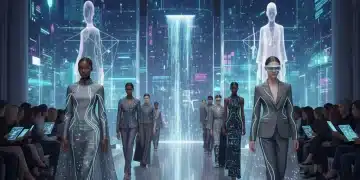
The metaverse, virtual worlds, and gaming platforms are becoming significant arenas for fashion expression. Gen Z spends a considerable amount of time in these digital spaces, and their avatars often reflect their ideal selves, dressed in elaborate, sometimes fantastical, digital garments. Brands are quickly realizing the potential of this new frontier, creating digital-only collections, virtual try-on experiences, and exclusive NFT fashion pieces. These digital assets offer a new revenue stream, a powerful marketing tool, and an experimental playground for designers.
For Gen Z fashion 2026, owning a digital outfit for their avatar can be as desirable, if not more so, than a physical one. This allows for unparalleled creativity, defying the constraints of gravity, material, and cost. Furthermore, digital fashion is inherently sustainable, as it produces no physical waste. The crossover potential is immense, with digital designs inspiring physical collections and vice versa. The influence of gaming aesthetics, characterized by vibrant colors, futuristic silhouettes, and highly detailed textures, is also increasingly visible in physical streetwear and high fashion.
Augmented Reality (AR) and Virtual Try-Ons
Augmented Reality (AR) is bridging the gap between digital and physical fashion, allowing consumers to virtually try on clothes and accessories using their smartphones or smart mirrors. This technology enhances the online shopping experience, reduces returns (a major sustainability issue), and provides a fun, interactive way to engage with brands. Gen Z, being early adopters of new tech, is highly receptive to these innovations. AR filters on social media platforms also allow for playful experimentation with virtual garments, influencing real-world styling choices.
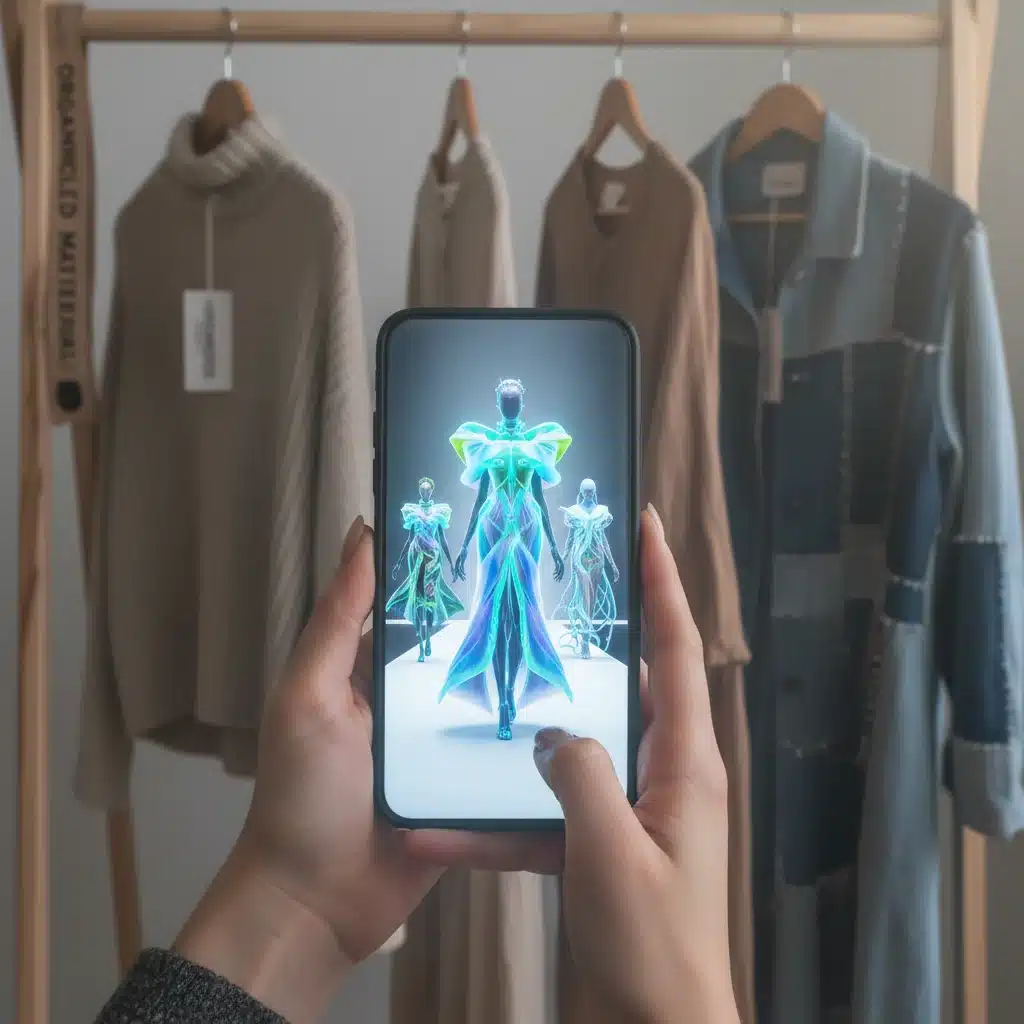
The convenience and novelty of AR experiences are powerful drivers for Gen Z fashion 2026. Imagine trying on a new jacket from a brand’s website, seeing how it moves and fits on your body in real-time, all from the comfort of your home. This level of immersion and personalization is what Gen Z expects, pushing brands to invest heavily in these cutting-edge solutions. The seamless integration of digital tools into the shopping journey is no longer a luxury but a necessity.
Social Media as a Style Incubator and Trendsetter
Social media platforms like TikTok, Instagram, and Pinterest are not just where Gen Z consumes fashion; they are where trends are born, amplified, and sometimes, quickly discarded. Micro-trends emerge and spread at lightning speed, often driven by individual creators and their unique aesthetics rather than traditional fashion houses. This decentralized trend-setting mechanism means that brands must be agile, responsive, and willing to engage directly with their audience on these platforms.
For Gen Z fashion 2026, authenticity and relatability are key. They prefer to see real people wearing clothes in real-life situations, rather than highly stylized, aspirational campaigns. User-generated content, influencer collaborations, and viral challenges play a crucial role in shaping their style preferences. This digital-first approach to fashion dissemination means that brands need to invest in digital storytelling, community building, and interactive content to capture the attention and loyalty of this digitally savvy generation. The visual language of these platforms, characterized by short-form video and curated feeds, dictates a new pace and style of fashion communication.
Fluid Individuality: Breaking Down Traditional Fashion Norms
Perhaps one of the most transformative influences of Gen Z on fashion is their radical embrace of fluid individuality. This generation rejects rigid labels, traditional gender norms, and prescribed aesthetics. Instead, they champion self-expression, authenticity, and the freedom to define one’s own style, irrespective of societal expectations. This profound shift is dismantling conventional fashion categories and opening up a world of creative possibilities, profoundly impacting Gen Z fashion 2026.
Gender-Neutral and Androgynous Fashion
The concept of gender-neutral fashion is not new, but Gen Z has propelled it into the mainstream. They are increasingly gravitating towards clothing that transcends traditional masculine and feminine distinctions, opting for styles that are comfortable, versatile, and expressive of their personal identity rather than their assigned gender. This includes oversized silhouettes, utilitarian designs, and a blurring of historically gendered garments. Brands that continue to segment their collections strictly by gender risk appearing outdated and out of touch.
For Gen Z fashion 2026, it’s about freedom of choice. A skirt can be for anyone, a suit can be worn by anyone, and makeup is a tool for self-adornment, not gender affirmation. This has led to an increase in unisex collections, adaptable sizing, and marketing campaigns that feature diverse models expressing their style authentically. The focus is on the garment itself and its ability to empower the wearer, rather than conforming to predefined societal boxes. This shift encourages a more inclusive and less restrictive approach to design and consumption.
Personalization and Customization: Uniquely You
In a world of mass production, Gen Z craves individuality. They want their clothes to reflect their unique personality and values. This drives a strong demand for personalization and customization options. Whether it’s custom embroidery, bespoke tailoring, modular garments that can be reconfigured, or upcycled pieces with a unique story, the desire to stand out is paramount. This contrasts sharply with previous generations’ emphasis on brand loyalty and conformity to popular trends.
Brands that offer tools for customization, from online configurators to in-store workshops, are fostering deeper connections with their Gen Z consumers. This also ties back to the sustainability aspect, as personalized items are often cherished longer and less likely to be discarded. The ability to co-create a garment, to put a personal stamp on it, adds significant value and meaning for Gen Z fashion 2026. This trend also fuels the popularity of small, independent designers and artisans who can offer unique, handmade pieces that larger brands cannot easily replicate.
Rejecting ‘Core’ Aesthetics for Dynamic Self-Expression
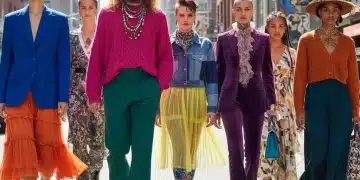
While previous generations might have identified with specific subcultures or aesthetic ‘cores’ for extended periods, Gen Z often embraces a more fluid and dynamic approach to style. They might experiment with different aesthetics – from Y2K revival to dark academia, cottagecore to cyberpunk – sometimes even within the same week. This isn’t inconsistency; it’s a form of playful exploration and a rejection of being confined to a single identity. Their style is a continuous narrative, evolving with their moods, interests, and online discoveries.
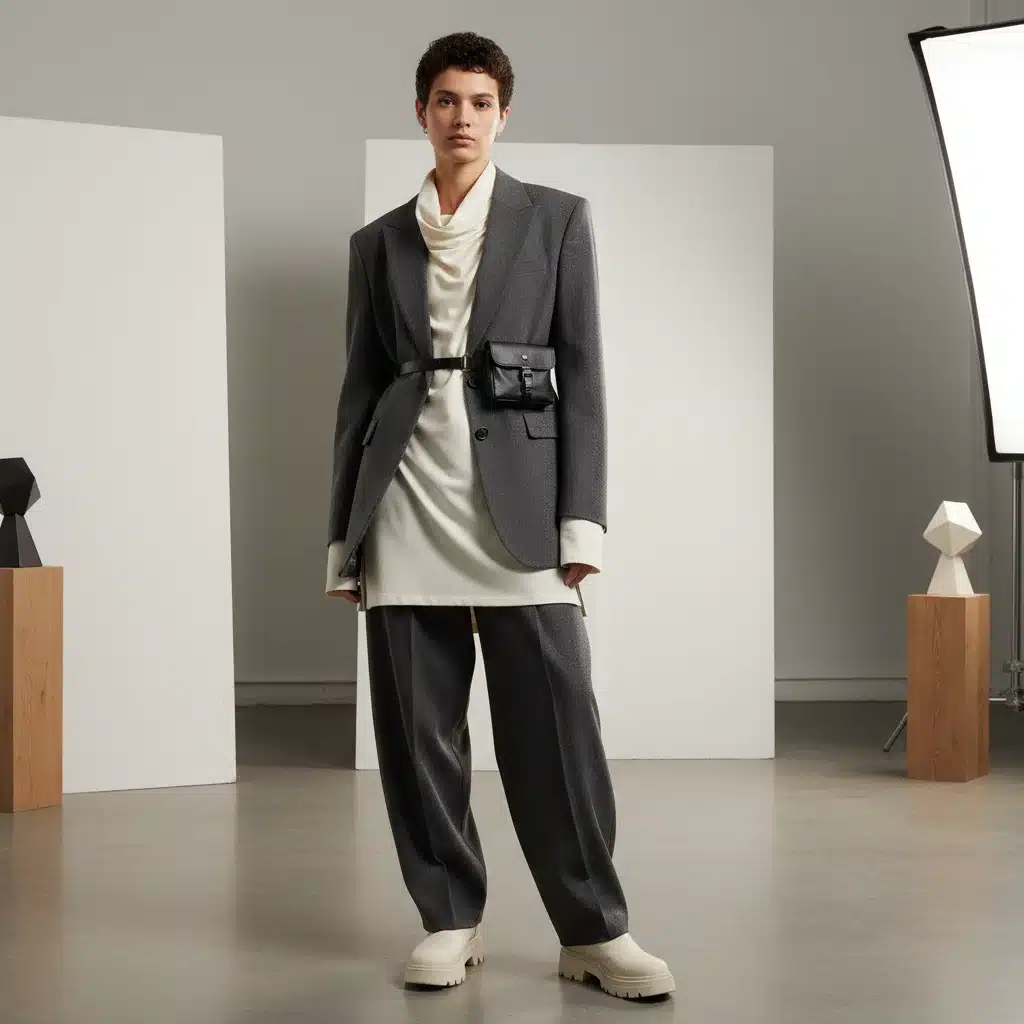
This fluidity presents both challenges and opportunities for brands in Gen Z fashion 2026. They need to offer versatile pieces that can be styled in multiple ways, catering to a diverse range of aesthetics. Marketing campaigns should celebrate individual expression rather than dictating a singular ‘look.’ Brands that are too rigid in their brand identity or aesthetic risk being perceived as out of touch. The key is to provide a canvas for self-expression, allowing Gen Z to interpret and appropriate styles in their own unique ways, constantly pushing the boundaries of what fashion can be.
Implications for the Fashion Industry: Adapting to the Gen Z Imperative
The micro-trends discussed – conscious consumption, digital-native aesthetics, and fluid individuality – are not isolated phenomena. They are interconnected forces that collectively present a powerful imperative for the fashion industry. Brands that wish to thrive in the era of Gen Z fashion 2026 must not merely acknowledge these shifts but fundamentally reorient their strategies and operations. The traditional linear model of fashion, from design to production to consumption and eventual disposal, is no longer viable. Gen Z demands a more circular, transparent, and inclusive ecosystem.
Rethinking Design and Production
Designers must increasingly consider the entire lifecycle of a garment, from sourcing sustainable materials to designing for durability, repair, and recyclability. The concept of ‘timelessness’ is gaining traction, not just in terms of classic styles but also in garments that can adapt to changing trends through modularity or personalization. Production processes need to become more localized, ethical, and demand-driven to minimize waste and carbon footprint. The rise of 3D design software and virtual prototyping also allows for more experimentation and efficiency, reducing the need for physical samples and speeding up the design cycle.
Evolving Marketing and Communication Strategies
Authenticity, transparency, and engagement are the cornerstones of effective marketing for Gen Z fashion 2026. Gone are the days of heavily curated, unattainable imagery. Gen Z responds to real stories, genuine values, and direct interaction. Brands need to invest in compelling digital narratives, collaborate with diverse creators, and foster communities where conversations about fashion, sustainability, and identity can flourish. Social media is not just a broadcasting channel; it’s a two-way street for dialogue and feedback. Brands must be prepared to listen, learn, and adapt in real-time.
Redefining Retail Experiences
The retail environment, both online and offline, needs to evolve to cater to Gen Z’s preferences. Online, this means seamless, personalized experiences, incorporating AR try-ons, engaging content, and easy access to sustainability information. Offline, physical stores are transforming into experiential hubs, offering opportunities for customization, community events, and immersive brand storytelling. The purpose of a physical store is no longer just transactional; it’s about building connection, fostering inspiration, and providing a tangible touchpoint for a digitally-savvy generation. Pop-up shops and collaborations with other brands or artists also resonate well, offering novelty and unique experiences.
Conclusion: The Future is Fluid, Ethical, and Digital
The influence of Gen Z on fashion is undeniable and far-reaching. As we approach 2026, their values and behaviors are not merely shaping trends; they are fundamentally redefining the very essence of the fashion industry. The three micro-trends – conscious consumption, digital-native aesthetics, and fluid individuality – are powerful indicators of where fashion is headed. Brands that embrace these shifts with genuine commitment, innovation, and a willingness to challenge traditional paradigms will be the ones that thrive.
The future of Gen Z fashion 2026 is one where sustainability is non-negotiable, where digital and physical wardrobes coexist and influence each other, and where personal expression trumps rigid categorization. It’s a future that demands transparency, authenticity, and inclusivity from every corner of the industry. For brands, this means moving beyond superficial gestures and embedding these values into their core DNA. For consumers, it offers an exciting, dynamic, and more responsible landscape for self-expression. The fashion world is undergoing a profound transformation, and Gen Z is leading the charge, promising a more ethical, innovative, and deeply personal era of style.