Mastering Makeup Primers: A 2026 Guide to Extending Wear by 8 Hours
Mastering Makeup Primers: A 2026 Guide to Extending Wear by 8 Hours
In the dynamic world of beauty, achieving a flawless, long-lasting makeup look has always been the holy grail. While foundations, concealers, and setting sprays play crucial roles, there’s one unsung hero that often gets overlooked but can truly revolutionize your makeup game: the humble yet powerful makeup primer. In 2026, with innovations in skincare technology and cosmetic formulations, makeup primers are more sophisticated and effective than ever before. This comprehensive makeup primer guide will delve deep into everything you need to know to select, apply, and maximize the benefits of primers, ensuring your makeup stays impeccable for up to 8 hours or even longer.
Gone are the days when primers were considered an optional extra. Today, they are an essential step in any professional or everyday makeup routine, acting as the crucial bridge between your skincare and makeup. A well-chosen and correctly applied primer can address a multitude of concerns, from minimizing pores and blurring fine lines to controlling oil, hydrating dry patches, and, most importantly, gripping your makeup for extended wear. If you’re tired of your foundation fading, creasing, or sliding off by midday, then this makeup primer guide is your ultimate resource.
The Evolution of Makeup Primers: What’s New in 2026?
The beauty industry is constantly evolving, and makeup primers are no exception. In 2026, we’re seeing a significant shift towards hybrid formulas that offer multi-functional benefits. No longer are primers just about creating a smooth canvas; they now actively contribute to skin health and address specific concerns with targeted ingredients. This evolution makes understanding the different types of primers even more vital for anyone looking to optimize their beauty routine.
Skincare-Infused Primers
One of the biggest trends in 2026 is the rise of skincare-infused primers. These formulations are packed with beneficial ingredients like hyaluronic acid for hydration, niacinamide for pore refinement and skin barrier support, antioxidants to protect against environmental aggressors, and even prebiotics to support a healthy skin microbiome. This means your primer isn’t just preparing your skin for makeup; it’s actively treating it, reducing the number of steps in your routine and enhancing overall skin health. For those seeking a primer that does double duty, these formulas are a game-changer.
Targeted Solutions for Every Concern
Another notable development is the increased specialization of primers. While general primers still exist, the market is now flooded with highly targeted solutions. Have oily skin? There’s a mattifying primer specifically designed to absorb excess sebum for hours. Struggling with redness? Color-correcting primers neutralize discoloration. Concerned about dullness? Illuminating primers add a radiant glow. This specificity allows consumers to fine-tune their primer choice to their exact needs, leading to superior results and an extended makeup wear time.
Sustainable and Clean Beauty Focus
In line with broader industry trends, 2026 primers are also increasingly focusing on sustainability and clean beauty. Many brands are now offering formulas free from parabens, sulfates, phthalates, and synthetic fragrances, catering to a growing demand for more natural and skin-friendly products. Packaging is also becoming more eco-conscious, with refillable options and recyclable materials becoming more common. This commitment to ethical and environmental practices adds another layer of appeal to modern primers.
Why a Makeup Primer is Your Secret Weapon for 8+ Hours of Wear
If you’re still on the fence about incorporating a primer into your routine, let us convince you. The benefits extend far beyond just creating a smooth base. A good primer creates a barrier between your skin and your makeup, preventing your skin’s natural oils from breaking down your foundation and allowing your makeup to adhere better and last significantly longer. This is particularly crucial for achieving that coveted 8-hour wear.
- Extended Longevity: This is the primary reason most people reach for a primer. By creating a gripping surface, primers prevent makeup from migrating, fading, or creasing throughout the day. They act like a magnet for your foundation, ensuring it stays put.
- Smooth Canvas: Primers fill in fine lines, wrinkles, and enlarged pores, creating an incredibly smooth surface for makeup application. This results in a more even and airbrushed finish.
- Oil Control: Mattifying primers are a godsend for oily skin types. They absorb excess sebum, keeping shine at bay and preventing foundation from breaking down due to oil.
- Hydration: For dry skin, hydrating primers infuse the skin with moisture, preventing makeup from looking patchy or clinging to dry areas.
- Color Correction: Green primers neutralize redness, lavender primers brighten dullness, and peach primers counteract dark circles or hyperpigmentation. This allows your foundation to work more efficiently.
- Protection: Some primers offer added benefits like SPF protection or antioxidant shields, adding an extra layer of defense against environmental damage.
Choosing the Right Makeup Primer Guide for Your Skin Type and Concerns
The key to mastering makeup primers lies in understanding your skin type and specific concerns. With the vast array of options available, selecting the perfect primer can seem daunting, but this makeup primer guide will simplify the process. Remember, a primer should enhance your natural skin, not mask it.
For Oily and Combination Skin: Mattifying Primers
If you struggle with shine, especially in your T-zone, mattifying primers are your best friend. These typically contain ingredients like silica, dimethicone, or clay derivatives that absorb excess oil and create a velvety matte finish. They help to blur pores and prevent foundation from slipping. Look for lightweight, oil-free formulas that won’t feel heavy on the skin. Apply primarily to areas where you experience shine.
For Dry and Dehydrated Skin: Hydrating Primers
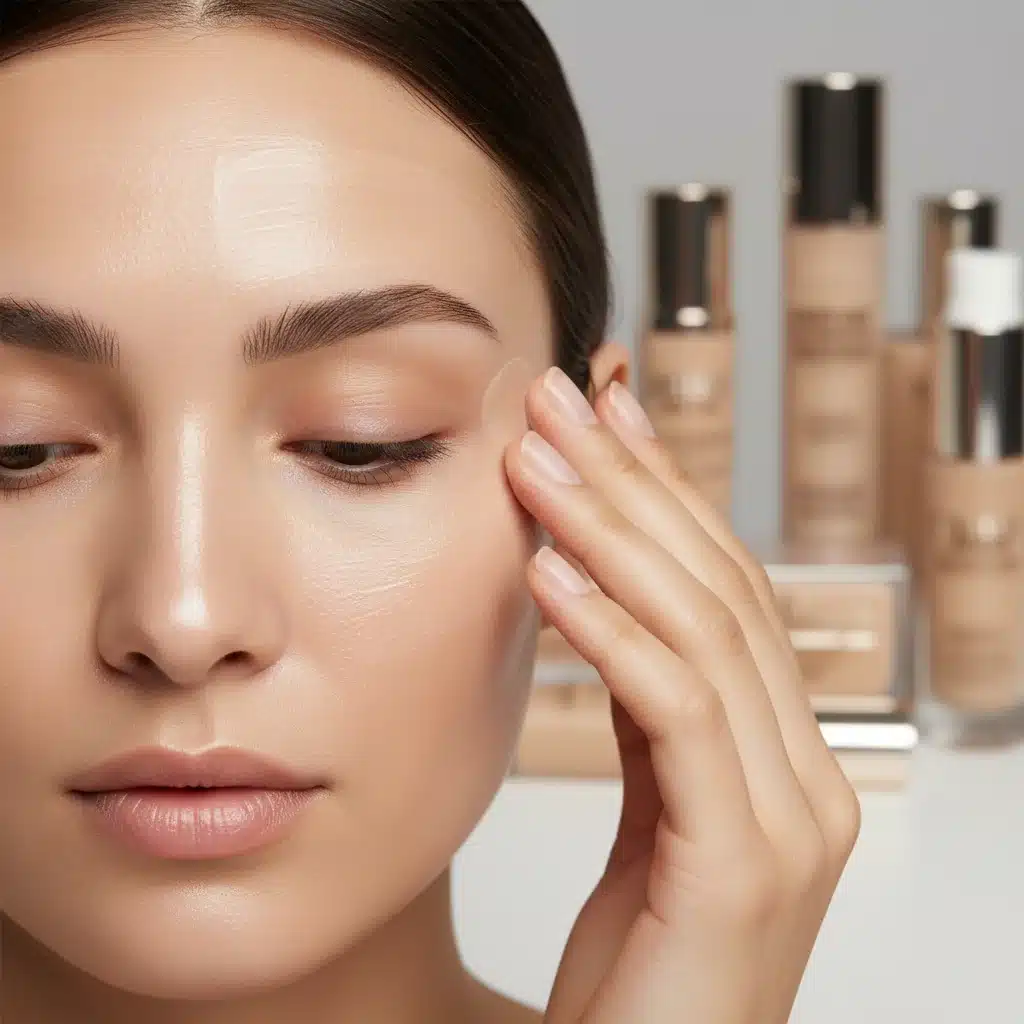
Dry skin needs a primer that will inject moisture and create a dewy, plump canvas. Hydrating primers often contain humectants like hyaluronic acid, glycerin, or emollient oils. They prevent makeup from settling into dry patches and give a healthy, radiant look. Avoid mattifying or silicone-heavy primers, which can exacerbate dryness. A good hydrating primer will make your foundation look smoother and less cakey.
For Normal Skin: Smoothing or Illuminating Primers
If you have normal skin, you have the luxury of choice! You can opt for a simple smoothing primer to refine skin texture and extend wear, or an illuminating primer to add a subtle glow. Smoothing primers often have a silicone base to fill in minor imperfections, while illuminating primers contain finely milled pearls or light-reflecting particles for a luminous finish. Consider what kind of finish you prefer for your foundation.
For Mature Skin: Anti-Aging or Blurring Primers
Mature skin benefits from primers that can blur fine lines and wrinkles, provide hydration, and offer a lifting effect. Look for formulas rich in peptides, antioxidants, and hyaluronic acid. Silicone-based blurring primers are excellent for creating a smoother surface, preventing makeup from settling into lines. A radiant finish can also help to create a more youthful appearance.
For Sensitive or Acne-Prone Skin: Soothing and Non-Comedogenic Primers
Sensitive and acne-prone skin requires careful consideration. Opt for primers that are labeled non-comedogenic (won’t clog pores), hypoallergenic, and free from common irritants like fragrance and harsh alcohols. Some primers specifically designed for acne-prone skin may contain salicylic acid or other blemish-fighting ingredients, but always patch test first. Soothing ingredients like aloe vera or chamomile can also be beneficial.
For Redness or Uneven Tone: Color-Correcting Primers
Color-correcting primers use the principles of color theory to neutralize specific skin concerns. Green primers counteract redness (rosacea, blemishes), lavender or purple primers brighten sallow or yellow tones, and peach or orange primers address dark spots or hyperpigmentation on deeper skin tones. These are applied strategically to problem areas before foundation.
The Art of Application: How to Apply Makeup Primer for Maximum Longevity
Choosing the right primer is only half the battle; proper application is equally crucial for achieving that 8-hour wear. Follow these steps for a flawless finish:
Step 1: Cleanse and Moisturize Your Skin
Always start with a clean, well-hydrated canvas. Wash your face with a gentle cleanser and apply your regular moisturizer. Allow your moisturizer to fully absorb for a few minutes before moving on to primer. This creates the optimal base for both your primer and subsequent makeup.
Step 2: Dispense the Right Amount
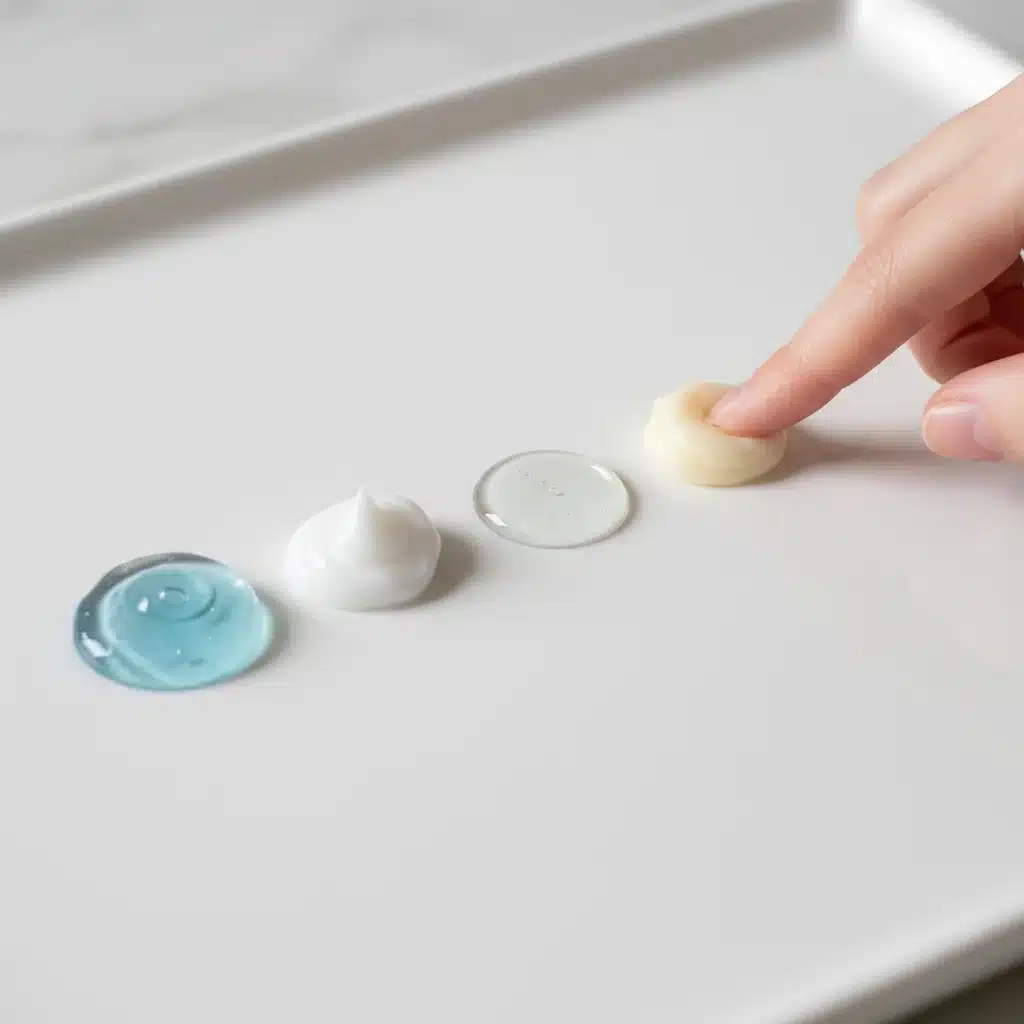
Less is often more with primer. A pea-sized amount is usually sufficient for the entire face. Using too much can make your makeup pill or feel heavy. Start small and add more only if needed for specific areas.
Step 3: Apply Strategically
You don’t necessarily need to apply primer all over your face. Focus on the areas where you need it most. For example, if you have an oily T-zone but dry cheeks, apply a mattifying primer to your T-zone and a hydrating primer to your cheeks. This technique, known as ‘multi-priming,’ allows you to address different concerns simultaneously.
Step 4: Use Your Fingers or a Brush
Most primers can be applied with clean fingertips. The warmth from your fingers helps to melt the product into your skin for a seamless finish. Gently pat and smooth the primer onto your skin, rather than rubbing it in vigorously. If you prefer, a flat foundation brush or a damp beauty sponge can also be used for application, especially with more liquidy formulas.
Step 5: Allow it to Set
This is a critical step often overlooked! Give your primer 1-2 minutes to fully set and create its gripping effect before applying your foundation. Rushing this step can reduce the primer’s efficacy and cause your makeup to slide. Use this time to gather your next makeup products or brush your teeth.
Step 6: Layering with Other Products
Once your primer has set, you can proceed with your foundation, concealer, and other base makeup products. You’ll notice how much smoother and more effortlessly your foundation glides on, and how much better it adheres to your skin. The primer creates a perfect bond, ensuring everything stays locked in place.
Advanced Primer Techniques for the Ultimate Long-Wear Look
Beyond the basics, there are several advanced techniques that can further enhance your primer’s performance and ensure your makeup lasts through anything. This makeup primer guide wouldn’t be complete without them!
Multi-Priming: Tailoring to Your Face
As mentioned, multi-priming involves using different primers on different areas of your face to address specific concerns. For example, a mattifying primer on the T-zone, a hydrating primer on dry patches, and a blurring primer around the eyes. This customized approach ensures every part of your face gets the attention it needs for optimal results.
Primer as an Eye Base
Don’t forget your eyelids! Many face primers, particularly those designed for oil control or smoothing, can double as an excellent eye primer. They help to prevent eyeshadow from creasing, intensify color payoff, and extend the wear of your eye makeup. Alternatively, dedicated eye primers are specifically formulated for the delicate eye area.
Mixing Primer with Foundation
For a sheerer, more natural finish, some people like to mix a tiny amount of hydrating or illuminating primer directly with their foundation. This can create a custom complexion product that offers both coverage and primer benefits. However, be cautious with mattifying or silicone-heavy primers, as mixing them might alter the foundation’s texture or coverage negatively.
Primer for Touch-Ups
While primers are primarily a pre-makeup step, some innovative formulas can be used for touch-ups throughout the day. Blotting primers, for instance, can be lightly patted over makeup to absorb excess oil and refresh your look without disturbing your foundation. This is a great trick for extending that ‘freshly applied’ look.
Common Primer Mistakes to Avoid
Even with the best intentions, it’s easy to make mistakes that can hinder your primer’s effectiveness. Here are some common pitfalls to watch out for:
- Using Too Much Product: Over-applying primer can lead to a sticky or pilling effect, making your foundation difficult to apply and potentially causing it to break down faster. A small amount goes a long way.
- Not Letting it Set: As emphasized, patience is key. Applying foundation immediately after primer doesn’t allow the primer to form its protective barrier, diminishing its long-wearing properties.
- Choosing the Wrong Primer for Your Skin Type: Using a mattifying primer on dry skin or a hydrating primer on oily skin will not yield the desired results and can even make your makeup look worse. Always match your skin’s needs.
- Ignoring Skincare Steps: Primer is not a substitute for proper skincare. A well-cleansed and moisturized face is essential for any primer to perform optimally.
- Rubbing Instead of Patting: Rubbing primer vigorously can cause it to pill or create an uneven surface. Gentle patting motions help the product meld seamlessly with your skin.
- Mixing Incompatible Formulas: Be mindful of the ingredients in your primer and foundation. Water-based primers generally work best with water-based foundations, and silicone-based primers with silicone-based foundations. Mixing them can sometimes lead to separation or pilling.
The Future of Priming: What to Expect Beyond 2026
As we look beyond 2026, the world of makeup primers is set to become even more integrated with advanced skincare and personalized beauty. Expect to see:
- Hyper-Personalized Primers: AI-driven tools and diagnostic devices might analyze your skin in real-time to recommend or even custom-blend primers tailored to your exact skin condition, environmental factors, and makeup goals for the day.
- Smart Primers with Adaptive Technology: Primers that can adapt to changing skin conditions throughout the day – perhaps releasing more hydration when skin feels dry or increasing mattifying power when oil production spikes.
- Enhanced Environmental Protection: Primers that offer advanced protection against pollution, blue light, and other environmental stressors, going beyond simple SPF.
- Biomimetic Formulas: Primers designed to mimic the skin’s natural barrier, providing superior protection and enhancing skin health on a cellular level.
- Invisible Technologies: Formulas that are completely undetectable on the skin, focusing purely on performance without altering texture or finish unless desired.
Conclusion: Your Ultimate Makeup Primer Guide for Lasting Beauty
In conclusion, a high-quality makeup primer is an indispensable tool in any modern beauty arsenal, especially if you desire a makeup look that lasts for 8 hours or more. By understanding your skin’s unique needs and selecting the appropriate primer, you can transform your makeup application and longevity. From mattifying to hydrating, blurring to color-correcting, there’s a primer out there for everyone and every concern. Remember the importance of proper application and allowing the product to set to unlock its full potential.
Embrace the power of the makeup primer guide and elevate your beauty routine to new heights. With the right primer, you’ll not only extend the wear of your favorite foundations and concealers but also achieve a smoother, more radiant, and truly flawless complexion that stands the test of time, from morning coffee to evening events. Make 2026 the year you master the art of priming and enjoy enduring beauty every single day.