Skincare Ingredients 2026: Your Guide to Future-Proof Beauty

5 Essential Skincare Ingredients for 2026: An Insider’s Guide to Maximizing Your Routine
The world of skincare is in a constant state of evolution, with new discoveries and technological advancements continually reshaping how we approach beauty and skin health. As we look ahead to 2026, certain ingredients are emerging as clear front-runners, poised to revolutionize our routines and deliver unprecedented results. Understanding these future powerhouses, often referred to as skincare ingredients 2026, is crucial for anyone looking to stay ahead of the curve and invest in truly effective products. This comprehensive guide will delve into five essential ingredients that you’ll want to incorporate into your regimen, exploring their scientific backing, benefits, and how to best utilize them for maximum impact.
Gone are the days of simple cleanse-tone-moisturize. Today’s skincare landscape is sophisticated, driven by research and a demand for targeted solutions. From advanced bio-actives to innovative natural extracts, the focus for skincare ingredients 2026 is on efficacy, sustainability, and holistic skin health. Whether you’re battling signs of aging, managing sensitive skin, or striving for that elusive radiant glow, the ingredients we’re about to explore offer promising solutions.
Prepare to transform your understanding of modern skincare and empower yourself with the knowledge to make informed choices for your skin’s future. Let’s dive into the essential skincare ingredients 2026 that will define the next generation of beauty.
1. Bio-Fermented Peptides: The Next-Gen Anti-Agers
Peptides have long been a staple in anti-aging skincare, praised for their ability to signal skin cells to perform specific functions, such as producing collagen or reducing inflammation. However, as we move towards skincare ingredients 2026, the focus is shifting to bio-fermented peptides. This advanced form of peptide delivery involves using fermentation processes to break down larger peptide molecules into smaller, more bioavailable forms. This not only enhances their stability and penetration into the skin but also often boosts their potency.
What are Bio-Fermented Peptides?
Traditional peptides are short chains of amino acids, the building blocks of proteins. They act as messengers in the skin, telling cells to do things like repair damage, produce more collagen, or calm irritation. Bio-fermentation takes this a step further. Microorganisms, such as bacteria or yeast, are used to ferment botanical extracts or other raw materials, which then produce or enhance the peptide content. This process can also create new, unique peptides with specific benefits, making them highly customizable for various skin concerns.
Why They’re Essential for 2026
The demand for highly effective yet gentle anti-aging solutions is growing. Bio-fermented peptides offer several advantages:
- Enhanced Efficacy: Their smaller size and increased bioavailability mean they can penetrate the skin more effectively, delivering their signals to target cells with greater precision.
- Improved Stability: Fermentation can increase the stability of peptides, making them less prone to degradation and ensuring they remain active in formulations for longer.
- Sustainability: Often derived from plant-based sources and produced through eco-friendly fermentation processes, they align with the growing consumer demand for sustainable beauty.
- Targeted Action: Research is leading to the development of highly specific bio-fermented peptides that can target particular concerns, from deep wrinkles to uneven skin tone.
How to Incorporate Them into Your Routine
Look for serums and creams that list ‘fermented peptides,’ ‘bio-peptides,’ or specific peptide names like ‘hexapeptide-8’ or ‘palmitoyl tripeptide-5’ high on their ingredient lists. These are best applied after cleansing and toning, allowing them direct contact with the skin. They pair well with other anti-aging ingredients like retinoids and antioxidants, enhancing overall skin rejuvenation. When choosing products with skincare ingredients 2026, always check for transparency in sourcing and formulation.
The future of anti-aging is looking increasingly smart and sustainable, with bio-fermented peptides leading the charge. Expect to see these advanced signaling molecules become a cornerstone of effective skincare routines.
2. Adaptogenic Botanicals: Stress-Proofing Your Skin
In our increasingly stressful world, the impact of stress on skin health is undeniable. From breakouts to accelerated aging, stress manifests in various ways on our complexion. This is where adaptogenic botanicals come into play, emerging as vital skincare ingredients 2026. Adaptogens are natural substances, primarily herbs and mushrooms, that help the body adapt to various stressors – be they environmental, physical, or psychological. When applied topically, they can help the skin cope with stress-induced damage and maintain its balance.
What are Adaptogenic Botanicals?
Adaptogens like Ashwagandha, Reishi Mushroom, Holy Basil, and Rhodiola Rosea have been used for centuries in traditional medicine for their holistic health benefits. Their unique property lies in their ability to normalize bodily functions and protect against stress. In skincare, this translates to ingredients that can:
- Reduce Inflammation: Stress often triggers inflammatory responses in the skin, leading to redness, irritation, and breakouts. Adaptogens can help calm these reactions.
- Strengthen the Skin Barrier: Chronic stress can compromise the skin’s protective barrier, making it more vulnerable to external aggressors. Adaptogens support barrier function.
- Enhance Resilience: They help the skin build up its natural defenses, making it more resilient to environmental stressors like pollution and UV radiation.
- Improve Overall Skin Tone: By reducing stress-related damage, adaptogens can contribute to a more even, calm, and radiant complexion.
Why They’re Essential for 2026
As consumers become more aware of the mind-skin connection, the demand for products that address stress-induced skin concerns will soar. Adaptogens offer a natural and holistic approach to skin wellness, aligning perfectly with the clean beauty and wellness trends defining skincare ingredients 2026. They provide a protective shield against modern-day aggressors, ensuring skin remains balanced and healthy.
How to Incorporate Them into Your Routine
Look for serums, essences, and moisturizers that feature adaptogenic extracts. Ashwagandha is excellent for calming and soothing, Reishi mushroom for antioxidant protection and hydration, and Holy Basil for its purifying properties. These ingredients are generally well-tolerated by most skin types and can be used daily. They are particularly beneficial for those with sensitive, reactive, or acne-prone skin, or anyone living in an urban environment exposed to significant pollution. Pairing them with gentle cleansers and SPF is key to a holistic, stress-resilient routine.
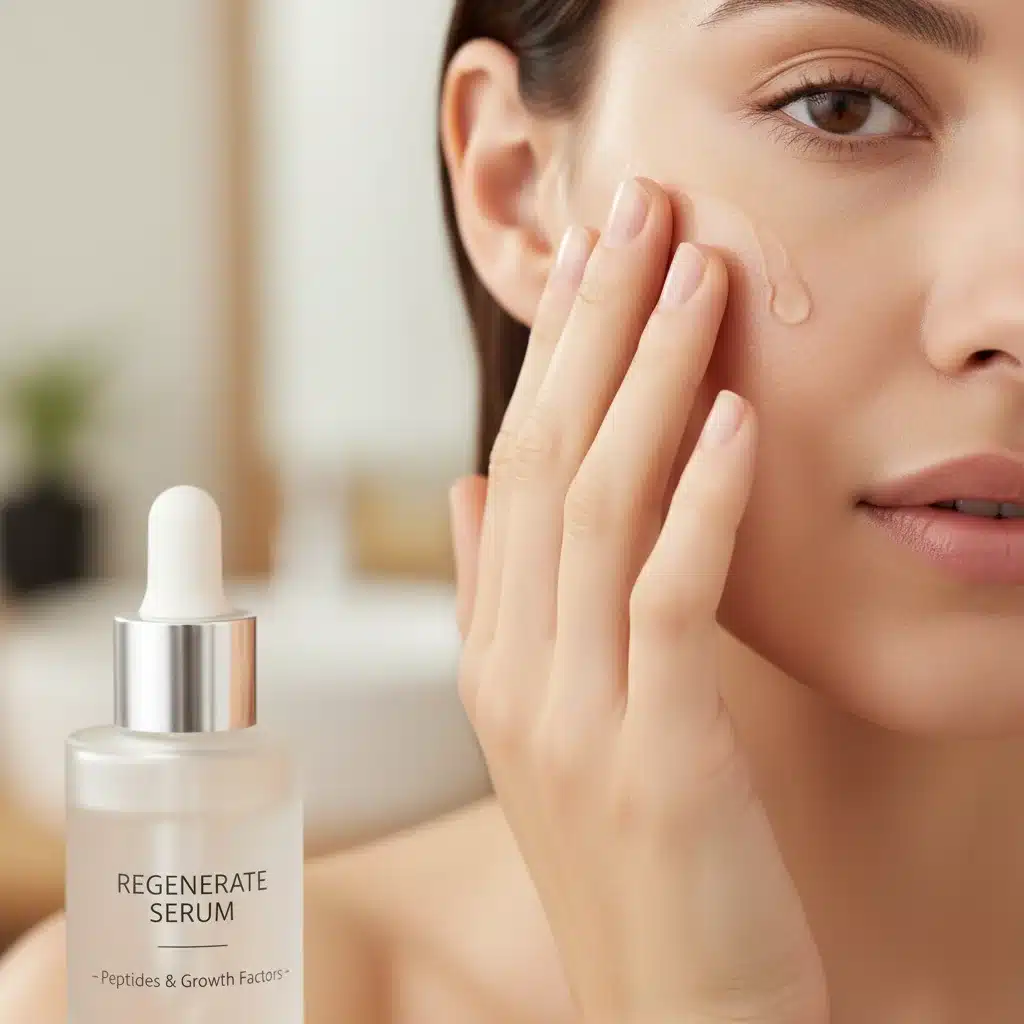
3. Exosomes: Cellular Communication for Regeneration
Perhaps one of the most cutting-edge advancements poised to become a significant player in skincare ingredients 2026 is exosomes. These microscopic extracellular vesicles are naturally secreted by cells and play a crucial role in cell-to-cell communication. They carry a cargo of proteins, lipids, and nucleic acids (like RNA and DNA) that can influence the behavior of recipient cells, making them powerful tools for regeneration and repair.
What are Exosomes?
Think of exosomes as tiny messengers that cells send to each other. When a cell releases an exosome, it’s essentially sending a package of instructions to another cell, telling it how to function, repair itself, or respond to its environment. In skincare, exosomes are often derived from stem cells (e.g., adipose-derived stem cells or plant stem cells) and are then isolated and purified for topical application. The ‘message’ they carry can stimulate collagen production, reduce inflammation, accelerate wound healing, and improve overall skin texture and tone.
Why They’re Essential for 2026
Exosomes represent a paradigm shift in regenerative skincare. Instead of just providing building blocks (like collagen or hyaluronic acid), they provide the instructions for the skin to build and repair itself more efficiently. This makes them incredibly promising for:
- Advanced Anti-Aging: By stimulating natural regenerative processes, they can significantly reduce the appearance of wrinkles, fine lines, and sagging.
- Repairing Damaged Skin: Their ability to promote healing makes them ideal for post-procedure recovery (e.g., after lasers or microneedling) and for repairing sun-damaged or compromised skin.
- Addressing Pigmentation: Some exosome formulations can help regulate melanin production, leading to a more even skin tone.
- Enhanced Absorption: Their natural cellular origin means they are often well-recognized and absorbed by skin cells.
How to Incorporate Them into Your Routine
Exosome-based products are currently at the higher end of the market due to their advanced technology and research. They are typically found in specialized serums and professional treatments. If you’re considering incorporating exosomes, look for products from reputable brands that can provide transparency about their exosome sourcing and purification methods. Due to their potent regenerative capabilities, they are best introduced gradually and under the guidance of a skincare professional, especially for sensitive skin types. Exosomes are the epitome of advanced skincare ingredients 2026, offering a glimpse into truly personalized and regenerative beauty.
4. Sustainable Marine Algae Extracts: Ocean’s Bounty for Your Skin
The ocean, a vast and relatively unexplored resource, continues to yield incredible natural ingredients for skincare. Sustainable marine algae extracts are set to become a cornerstone of skincare ingredients 2026, offering a wealth of benefits ranging from intense hydration to powerful antioxidant protection, all while adhering to environmentally conscious sourcing.
What are Sustainable Marine Algae Extracts?
Marine algae, including seaweed (macroalgae) and microalgae, are incredibly diverse organisms rich in vitamins, minerals, amino acids, antioxidants, and polysaccharides. ‘Sustainable’ refers to extraction methods that do not deplete marine ecosystems and often involve aquaculture or controlled harvesting. Different types of algae offer unique benefits:
- Red Algae: Known for potent antioxidants (like astaxanthin) and polysaccharides that provide intense hydration and strengthen the skin barrier.
- Brown Algae: Rich in fucoidans and phlorotannins, offering anti-inflammatory, anti-aging, and protective properties against environmental damage.
- Green Algae: Often packed with vitamins and minerals, helping to detoxify, brighten, and support skin regeneration.
- Microalgae: Tiny powerhouses that can produce high concentrations of specific beneficial compounds, like lipids for barrier repair or peptides for anti-aging.
Why They’re Essential for 2026
The appeal of marine algae extracts for skincare ingredients 2026 is multi-faceted:
- Rich Nutrient Profile: They offer a comprehensive array of compounds that nourish and protect the skin.
- Powerful Antioxidants: Many algae contain unique antioxidants that combat free radical damage more effectively than some terrestrial plant extracts.
- Exceptional Hydration: Polysaccharides found in algae can hold many times their weight in water, providing superior and long-lasting hydration.
- Anti-Inflammatory Properties: They can soothe irritated skin and reduce redness.
- Sustainability: With responsible sourcing, marine algae can be a highly sustainable resource, requiring minimal land, fresh water, or pesticides to grow.
How to Incorporate Them into Your Routine
Marine algae extracts are versatile and can be found in a wide range of products, including cleansers, toners, serums, masks, and moisturizers. Look for specific algae names like ‘Laminaria Digitata Extract’ (brown algae), ‘Chondrus Crispus Extract’ (red algae), or ‘Spirulina Extract’ (microalgae). They are generally suitable for all skin types, including sensitive skin, due to their soothing and hydrating properties. They complement other active ingredients beautifully and are an excellent addition for boosting overall skin health and resilience against environmental stressors. Embrace the power of the ocean with these future-forward skincare ingredients 2026.
5. Postbiotics: The Next Frontier in Microbiome Skincare
The importance of the skin microbiome – the community of microorganisms living on our skin – is now widely recognized. While probiotics (live bacteria) and prebiotics (food for beneficial bacteria) have gained popularity, postbiotics are emerging as the true game-changers for skincare ingredients 2026. They offer the benefits of microbiome balancing without the stability challenges of live cultures.
What are Postbiotics?
Postbiotics are essentially the beneficial compounds produced by probiotics during fermentation. These include enzymes, peptides, organic acids, short-chain fatty acids, and bacteriocins. Unlike live probiotics, postbiotics are inactive or non-viable bacterial components, making them much more stable in cosmetic formulations and easier to integrate into products without refrigeration or complex preservation systems.
Why They’re Essential for 2026
The stability and efficacy of postbiotics make them a superior choice for microbiome-friendly skincare:
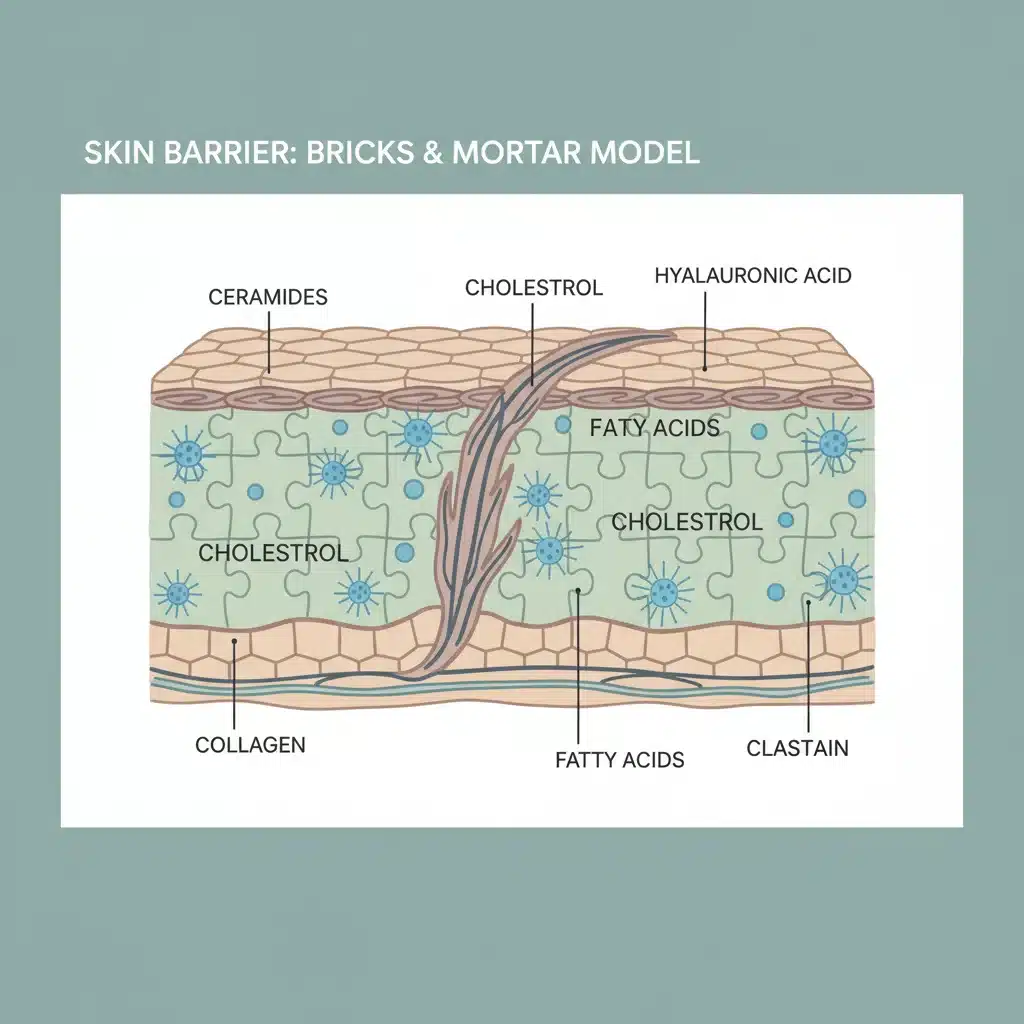
- Skin Barrier Support: Postbiotics can strengthen the skin barrier, making it more resilient to environmental aggressors and reducing transepidermal water loss.
- Anti-Inflammatory Effects: They can help calm irritation and reduce redness by modulating the skin’s immune response.
- Antimicrobial Properties: Some postbiotics have natural antimicrobial effects, helping to balance the skin’s microflora and potentially reducing problematic bacteria associated with acne or other skin conditions.
- Hydration and Nourishment: They can contribute to overall skin health by providing essential nutrients and improving hydration.
- Stability and Safety: Being non-viable, they pose no risk of bacterial overgrowth and are highly stable, ensuring consistent product performance.
How to Incorporate Them into Your Routine
Look for terms like ‘fermented lysate,’ ‘saccharomyces ferment filtrate,’ ‘lactobacillus ferment,’ or specific postbiotic compounds in ingredient lists. These ingredients are ideal for sensitive, compromised, or acne-prone skin, as they help restore balance without introducing live bacteria that might not thrive in a topical environment. Postbiotics can be found in serums, toners, moisturizers, and even cleansers. They work synergistically with prebiotics to create an optimal environment for a healthy skin microbiome. Integrating postbiotics into your routine is a proactive step towards future-proofing your skin’s health and resilience, making them indispensable among skincare ingredients 2026.
Maximizing Your Routine with Skincare Ingredients 2026
Understanding these five essential skincare ingredients 2026 is just the first step. To truly maximize their benefits, consider the following:
Synergy is Key
Many of these ingredients work synergistically. For example, adaptogenic botanicals can reduce stress on the skin, creating a better environment for bio-fermented peptides to stimulate collagen. Postbiotics can strengthen the skin barrier, allowing marine algae extracts to deliver their hydration and antioxidants more effectively. Building a routine that layers these complementary ingredients will yield superior results.
Consistency and Patience
Skincare is a marathon, not a sprint. While some ingredients, like hyaluronic acid, offer immediate hydration, many of the transformative benefits of ingredients like bio-fermented peptides and exosomes will take weeks or even months of consistent use to become fully apparent. Stick with your chosen products to allow the ingredients time to work at a cellular level.
Listen to Your Skin
Even the most advanced skincare ingredients 2026 may not be universally suitable for everyone. Pay attention to how your skin reacts. If you experience irritation or discomfort, scale back usage or discontinue the product. Patch testing new ingredients on a small area of skin is always a wise practice.
Professional Guidance
For highly active ingredients like exosomes, consulting with a dermatologist or a qualified skincare professional can provide personalized advice and ensure you are using products safely and effectively, especially if you have specific skin concerns or conditions.
Beyond Ingredients: Holistic Skin Health
Remember that no matter how potent your skincare ingredients 2026 are, they are most effective when supported by a holistic approach to health. This includes:
- Sun Protection: Daily use of broad-spectrum SPF is non-negotiable for preventing damage and maintaining the results of your skincare routine.
- Healthy Diet: Nutrient-rich foods provide the internal building blocks for healthy skin.
- Hydration: Drinking plenty of water keeps skin cells plump and functioning optimally.
- Adequate Sleep: ‘Beauty sleep’ is real – skin regenerates and repairs itself most effectively during rest.
- Stress Management: Practices like meditation, yoga, or spending time in nature can significantly reduce the internal stressors that impact skin health.
The Future is Bright for Skincare
The landscape of skincare is constantly evolving, driven by scientific innovation and a deeper understanding of skin biology. The skincare ingredients 2026 we’ve explored today – bio-fermented peptides, adaptogenic botanicals, exosomes, sustainable marine algae extracts, and postbiotics – represent the forefront of this evolution. They offer targeted, effective, and often sustainable solutions for a wide array of skin concerns, promising a future of healthier, more resilient, and radiant complexions.
By understanding the science behind these powerful ingredients and integrating them thoughtfully into your routine, you can proactively address your skin’s needs and future-proof your beauty regimen. Stay curious, stay informed, and embrace the exciting advancements that 2026 and beyond will bring to the world of skincare.
Investing in these cutting-edge skincare ingredients 2026 is an investment in your skin’s long-term health and vitality. Prepare to witness a new era of transformative beauty.