Retailer Price Adjustments: Get Refunds for Price Drops (30 Days Post-Purchase)
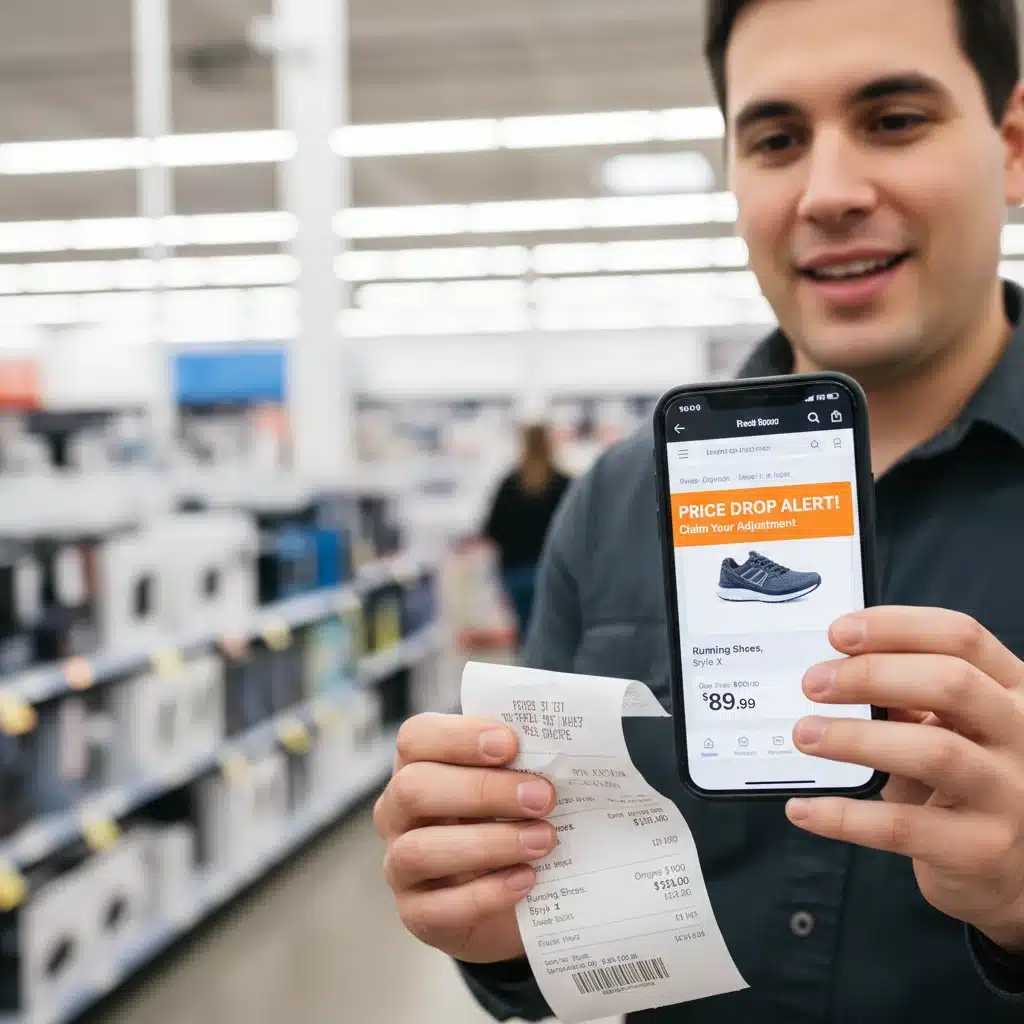
In the dynamic world of retail, prices are constantly fluctuating. A product you bought yesterday might be significantly cheaper today or next week. This common scenario can be frustrating, leaving consumers wondering if they missed out on savings. Fortunately, many retailers offer a powerful, yet often underutilized, consumer protection: retailer price adjustments. These policies allow you to claim a refund for the difference if an item you purchased goes on sale within a specified period, typically up to 30 days post-purchase. Understanding and leveraging these policies can save you a substantial amount of money over time.
Imagine buying a new television, only to see it advertised for 20% less a week later. Without price adjustment knowledge, you might simply accept the loss. However, with this guide, you’ll learn exactly how to navigate these policies, identify eligible purchases, and secure your rightful refund. This isn’t just about saving a few dollars; it’s about smart shopping, maximizing your purchasing power, and ensuring you always get the best deal, even after the initial transaction.
This comprehensive guide will delve deep into the intricacies of retailer price adjustments. We’ll cover everything from what they are and why they exist to how to identify participating retailers, the steps to take to claim your refund, and common pitfalls to avoid. By the end, you’ll be equipped with the knowledge and confidence to routinely check for price drops and claim your money back, turning potential buyer’s remorse into smart savings.
What Are Retailer Price Adjustments?
At its core, a retailer price adjustment, also known as price protection or price matching after purchase, is a policy where a store refunds you the difference if the price of an item you bought from them drops within a certain timeframe. This timeframe can vary, but a common standard is 14 to 30 days from the date of purchase. The goal of these policies is to build customer loyalty, reduce buyer’s remorse, and encourage purchases, knowing that consumers won’t immediately lose out if a sale happens shortly after their transaction.
Think of it as a safety net for your wallet. You buy a product, and if its price decreases within the specified window, you’re entitled to get the difference back. This applies to various scenarios, such as:
- Store-wide sales: The retailer announces a general sale on many items, including yours.
- Promotional events: Special holiday sales (e.g., Black Friday, Cyber Monday, President’s Day) or seasonal clearances.
- Markdown for clearance: The item is being cleared out to make space for new inventory.
- Competitor price match: Some retailers will even adjust the price if a competitor offers the same item for less within the adjustment window. However, this is less common for post-purchase adjustments than for initial price matching.
It’s crucial to understand that retailer price adjustments are not universally offered. They are a goodwill gesture from the retailer, not a legal requirement. Therefore, checking a store’s specific policy before or after a purchase is paramount. Many large retailers, especially in electronics, apparel, and home goods, have robust price adjustment policies because they understand the competitive landscape and the importance of customer satisfaction.
The process usually involves presenting your original receipt and proof of the lower price (e.g., an advertisement, a screenshot of their website) to the retailer. The refund is then typically issued to your original payment method. This simple act can turn a potentially frustrating situation into a positive shopping experience, reinforcing your trust in the retailer.
Why Retailers Offer Price Adjustments
From a consumer’s perspective, retailer price adjustments are a clear win. But why would businesses willingly give back money? The reasons are rooted in smart business strategy and a deep understanding of consumer psychology:
-
Customer Loyalty and Trust
In a crowded marketplace, customer loyalty is gold. When customers feel confident that they’re getting the best possible price, even if it changes after their purchase, they are more likely to return. A price adjustment policy fosters trust, signaling that the retailer values its customers and stands by its pricing. This trust translates into repeat business and positive word-of-mouth recommendations.
-
Reduced Buyer’s Remorse
The fear of missing out (FOMO) or buyer’s remorse is a powerful deterrent to purchasing. If a customer buys an item and then sees it cheaper elsewhere or later in the same store, they might feel cheated. This negative emotion can lead to returns, negative reviews, or a decision to shop elsewhere in the future. Price adjustments mitigate this, ensuring customers feel good about their purchase long after the transaction.
-
Fewer Returns
Without a price adjustment policy, a common consumer tactic to get a lower price is to return the item they just bought and then repurchase it at the new, lower price. This "return and repurchase" cycle is costly for retailers in terms of restocking fees, processing time, and potential damage to returned goods. Offering a price adjustment is a far more efficient and cost-effective way for retailers to handle price drops, as it bypasses the logistical nightmare of physical returns.
-
Competitive Advantage
In highly competitive sectors, offering a robust price adjustment policy can be a significant differentiator. It gives retailers an edge over competitors who might not offer such flexibility, attracting savvy shoppers who prioritize getting the best value. It becomes a selling point, assuring customers they can "buy now with confidence."
-
Data Collection and Insights
While not the primary reason, the process of price adjustments can provide retailers with valuable data. They can track which items frequently undergo adjustments, which might inform future pricing strategies, promotional timings, and inventory management. It offers insights into customer behavior and price sensitivity.
Ultimately, retailer price adjustments are a strategic investment in customer satisfaction and long-term business health. They demonstrate a commitment to fairness and value, reinforcing the customer-retailer relationship.
Identifying Retailers with Price Adjustment Policies
The first step to leveraging retailer price adjustments is knowing which stores offer them. While many major retailers do, policies can vary significantly in terms of duration, exclusions, and the process itself. Here’s how to find out:
-
Check the Retailer’s Website
The most reliable source of information is the retailer’s official website. Look for sections like "Customer Service," "Help," "FAQs," "Returns & Exchanges," or "Price Match Guarantee." The policy is usually clearly outlined there. Use the search bar on their site for terms like "price adjustment," "price protection," or "price match."
-
Read the Fine Print on Receipts
Sometimes, a summary or a reference to the policy is printed on the back of your purchase receipt. It’s always a good habit to glance at these details.
-
Ask a Sales Associate
If you’re in a physical store, don’t hesitate to ask a sales associate or customer service representative directly. They can often provide immediate answers or direct you to where the policy is written.
-
Consult Online Resources and Forums
Websites and forums dedicated to consumer deals and shopping tips often compile lists of retailers with price adjustment policies. While these can be a good starting point, always cross-reference with the retailer’s official policy, as information can become outdated.
Common Retailers Known for Price Adjustments (Examples & General Guidelines):
While policies are subject to change, here are some well-known retailers that have historically offered price adjustments:
- Best Buy: Often has a price match guarantee that extends to post-purchase adjustments within a certain window (e.g., 15 days for most customers, longer for elite members). Exclusions typically include marketplace sellers and special bundle deals.
- Target: Known for its price match policy, which often includes post-purchase adjustments if the item goes on sale at Target or a select competitor within 14 days.
- Walmart: Their price match policy primarily focuses on matching competitor prices at the time of purchase, but they may offer adjustments for their own price drops within a short window.
- Nordstrom: Renowned for excellent customer service, Nordstrom often offers price adjustments on full-price merchandise if it goes on sale within 14 days of purchase.
- Macy’s: Generally offers price adjustments within 10-14 days if the item is still available in the exact size/color and goes on a temporary markdown.
- Amazon: While Amazon used to have a more lenient post-purchase price adjustment policy, it’s now largely limited to specific scenarios like TVs. However, third-party credit card benefits might offer price protection (see below).
- Gap/Old Navy/Banana Republic: Often offer price adjustments on full-price items that go on sale within 7-14 days.
Important Considerations:
- Timeframe: This is the most critical factor. Most policies range from 7 to 30 days.
- Exclusions: Be aware of what’s excluded. Common exclusions include clearance items, doorbuster deals, limited-quantity sales, "Black Friday" or "Cyber Monday" specific promotions, third-party marketplace sellers, and sometimes even specific brands or categories.
- Proof of Purchase: You will almost always need your original receipt or order confirmation.
- Proof of Price Drop: You’ll need to show evidence of the lower price, such as a current advertisement, a screenshot of the retailer’s website, or a link to the product page.
- Payment Method: Refunds are typically issued to the original payment method.
- Online vs. In-Store: Some policies differ between online and in-store purchases.
By actively seeking out and understanding these policies, you empower yourself to save money without having to time your purchases perfectly. It’s about being an informed consumer.
The 30-Day Window: Understanding Eligibility
While some retailers offer shorter windows, a 30-day price adjustment policy is considered quite generous and provides ample opportunity for consumers to benefit. Understanding the specifics of this 30-day window and other eligibility criteria is crucial for a successful claim.
Starting the Clock: When Does the 30 Days Begin?
For most retailers, the 30-day window begins on the date of purchase. This is the date printed on your receipt or the date your online order was confirmed and shipped. It’s rarely from the date you receive the item, especially for online orders, so always check your receipt carefully.
Key Eligibility Factors Beyond the Timeframe:
-
Identical Item
The item must be exactly the same. This means the same brand, model number, color, size, and condition (new, not open-box or refurbished). Variations, even slight ones, can disqualify your claim.
-
In-Stock Requirement
The item must typically be in stock at the lower price at the time you request the adjustment. If it’s out of stock or marked as "limited availability," the retailer might deny the adjustment.
-
Sale Type Exclusions
As mentioned, some sales are excluded. These often include:
- "Flash sales" or "doorbuster" deals with very limited quantities.
- Clearance, liquidation, or "final sale" items.
- Promotions requiring a separate purchase (e.g., "Buy One Get One Free").
- Pricing errors.
- Prices from third-party sellers on the retailer’s marketplace (e.g., Amazon Marketplace, Walmart Marketplace).
- Special financing offers or bundled deals.
-
Proof of Purchase and Lower Price
You must provide the original receipt or order confirmation. For the lower price, a screenshot, a link to the product page showing the current price, or a physical advertisement (e.g., a flyer) is usually required. Make sure the date of the advertisement or screenshot falls within your 30-day window.
-
Online vs. In-Store Purchases
Some retailers have different price adjustment policies for online purchases compared to in-store purchases. An item bought online might only be eligible for an adjustment if the online price drops, not necessarily if the in-store price drops, and vice-versa. Always clarify this.
-
Payment Method
Most retailers will refund the difference to the original payment method used for the purchase. If you no longer have that card, it can sometimes complicate the process, though store credit might be offered as an alternative.
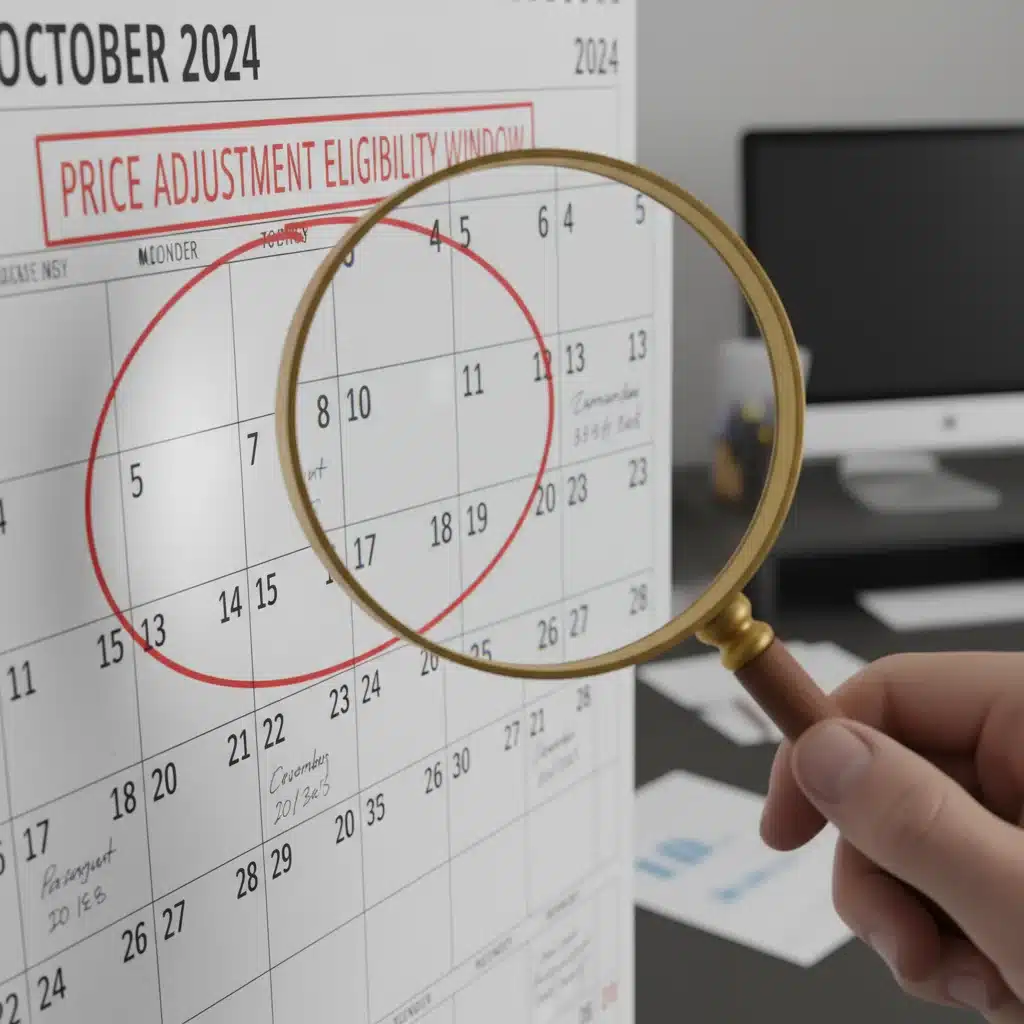
Keeping track of your purchase dates and regularly checking prices for items you’ve recently bought can seem tedious, but the potential savings make it worthwhile. Consider setting calendar reminders for your recent purchases, especially for big-ticket items, to check prices around the 7, 14, and 28-day marks within that 30-day window. This proactive approach ensures you don’t miss out on eligible refunds.
Step-by-Step Guide: Claiming Your Refund
Once you’ve identified an eligible price drop, the process of claiming your refund is usually straightforward. Follow these steps to ensure a smooth and successful retailer price adjustment:
-
Gather Your Documentation
Before contacting the retailer, make sure you have everything you need:
- Original Receipt/Order Confirmation: This is non-negotiable. It proves your purchase, the date, and the original price. For online orders, a printed email confirmation or a screenshot of your order history works.
- Proof of Lower Price: This is equally important. Take a clear screenshot of the product page showing the new, lower price and the date. If it’s an advertisement, either save the digital ad or take a clear photo of the physical ad. Ensure the item’s details (model number, color, etc.) are visible and match your purchase.
-
Review the Retailer’s Policy (Again!)
Double-check the store’s specific price adjustment policy. Confirm the eligible timeframe, any exclusions that might apply to your item or the sale, and the required method of contact (in-store, online chat, phone).
-
Choose Your Contact Method
Retailers typically offer several ways to request a price adjustment:
- In-Store: For purchases made in a physical store, returning to that store with your receipt and proof of the lower price is often the quickest method. Go to the customer service desk.
- Online (Chat/Email/Form): For online purchases, or if you prefer digital communication, many retailers have online chat support, dedicated email addresses, or contact forms for price adjustment requests. Be prepared to attach your documentation.
- Phone: Calling customer service is another option. Have your order number and documentation ready to refer to.
-
Clearly State Your Request
When you contact the retailer, be polite, clear, and concise. State that you recently purchased an item, provide the order number or transaction details, and explain that you’ve noticed a price drop within their adjustment window. Provide the evidence of the lower price.
Example Script: "Hello, I recently purchased [Item Name/Model Number] on [Date of Purchase] for [Original Price]. I noticed that the price has now dropped to [New Price] on your website/in your ad. I have my receipt/order confirmation and a screenshot of the current price, and I would like to request a price adjustment according to your policy."
-
Be Patient and Persistent (If Necessary)
Most price adjustments go smoothly. However, if you encounter resistance, calmly reiterate the policy (if you have it handy) and your eligibility. If the first representative is unhelpful, politely ask to speak with a supervisor. Always remain courteous; it significantly increases your chances of success.
-
Confirm the Refund
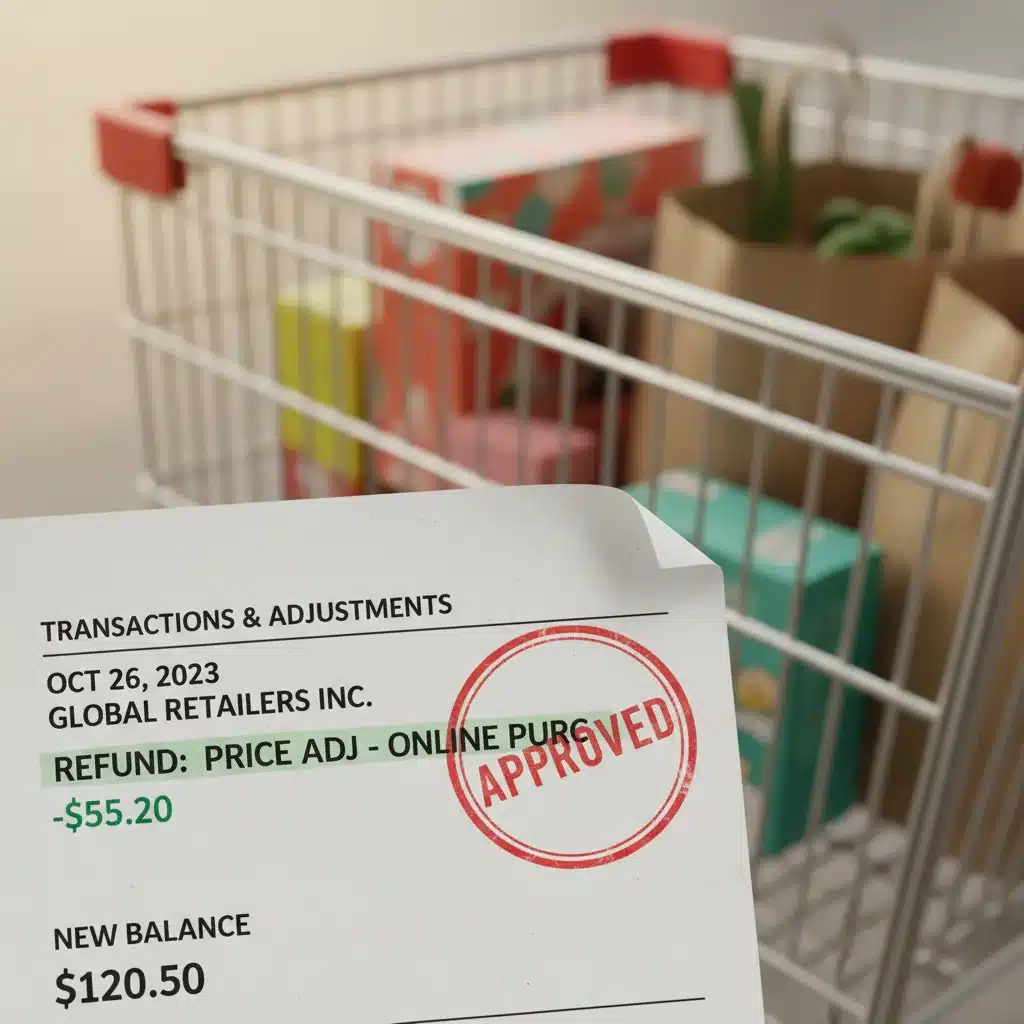
Once your adjustment is approved, confirm how and when the refund will be issued. It typically goes back to your original payment method within a few business days. Keep an eye on your bank or credit card statement to ensure the refund is processed correctly.
By following these steps, you can effectively claim your retailer price adjustment and enjoy the savings you’re entitled to. It’s a small effort for a potentially significant financial gain.
Common Pitfalls and How to Avoid Them
While claiming a retailer price adjustment is often straightforward, several common issues can lead to a denied request. Being aware of these pitfalls can help you navigate the process more effectively and increase your chances of success.
-
Missing the Adjustment Window
Pitfall: The most common reason for denial is simply being outside the eligible timeframe (e.g., trying to claim an adjustment on day 31 for a 30-day policy).
Avoidance: Always note the purchase date. For significant purchases, set a calendar reminder a few days before the window closes to check for price drops. Regularly review your recent purchases. -
Lack of Proper Documentation
Pitfall: Not having your original receipt or clear, dated proof of the lower price.
Avoidance: Keep all receipts, especially for big-ticket items. For online purchases, save email confirmations and take screenshots of product pages immediately if you see a lower price, ensuring the date and time are visible on the screenshot. Digital copies are often easier to manage. -
Exclusions in the Policy
Pitfall: The item or sale type is explicitly excluded by the retailer’s policy (e.g., clearance, doorbuster, third-party sellers).
Avoidance: Read the retailer’s price adjustment policy carefully before attempting to claim. Understand what types of sales and items are generally excluded. Don’t assume all sales qualify. -
Item Mismatch
Pitfall: Trying to adjust the price for an item that isn’t an exact match (different model number, color, size, or version).
Avoidance: Double-check that the item on your receipt and the item with the lower price are absolutely identical. Even a slight variation can be a reason for denial. -
Out-of-Stock Item at Lower Price
Pitfall: The item is listed at a lower price but is out of stock at the time of your adjustment request.
Avoidance: Act quickly when you see a price drop. If the item goes out of stock before you can claim, the retailer may deny the adjustment. Take your screenshot of the lower price when it’s still in stock. -
Different Retailer’s Price
Pitfall: Attempting to get a price adjustment based on a competitor’s lower price when the retailer’s policy only covers their own price drops (or specific approved competitors).
Avoidance: Understand if the retailer offers post-purchase competitor price matching or only adjustments for their own store prices. Most post-purchase policies are for internal price drops. -
Payment Method Issues
Pitfall: Not having the original payment method available for the refund.
Avoidance: If you used a gift card or a temporary card, be aware that refunds might be issued as store credit or require extra steps. Try to keep the original payment method active for the duration of the adjustment window for high-value purchases. -
Assuming Universal Policies
Pitfall: Assuming all retailers have the same price adjustment policy.
Avoidance: Never assume. Always check the specific policy for each retailer you shop with. What works at one store might not work at another.
By being diligent, organized, and informed about specific policies, you can successfully navigate the world of retailer price adjustments and avoid common frustrations, ensuring you maximize your savings.
Advanced Strategies and Tools for Price Tracking
While manually checking prices can be effective, especially for big-ticket items, there are more efficient ways to track price drops and ensure you don’t miss out on retailer price adjustments. Leveraging technology can automate much of the legwork for you.
1. Price Tracking Apps and Browser Extensions
Several tools are designed specifically to monitor prices and alert you to drops:
- Honey (Browser Extension): While primarily known for finding coupon codes, Honey also has a "Droplist" feature that allows you to add items you’re watching. It will notify you if the price drops at participating retailers.
- CamelCamelCamel (Amazon Specific): If you frequently shop on Amazon, this website and browser extension are indispensable. It tracks the price history of millions of Amazon products and can send you email alerts when prices fall to a target you set.
- Keepa (Amazon Specific): Similar to CamelCamelCamel, Keepa offers comprehensive price history charts and alerts for Amazon products, including third-party seller prices.
- Wikibuy (Capital One Shopping – Browser Extension): This extension compares prices across various retailers and also offers price drop alerts on items you’ve viewed or added to a watchlist.
- Slickdeals/RetailMeNot (Deal Sites): These sites often feature "deal alerts" where you can set up notifications for specific products or categories. While not strictly price trackers for your purchased items, they can alert you to sales that might qualify for an adjustment.
How to use them: Install the browser extension or sign up for the service. As you browse online, add items you’ve recently purchased (or plan to purchase) to your watchlist. The tool will then do the monitoring for you and send an alert if the price changes.
2. Credit Card Price Protection
This is a game-changer that many consumers overlook. Some credit cards offer their own price protection benefits, independent of retailer policies. If an item you bought with that card goes on sale within a certain period (often 60-120 days), the credit card company will refund you the difference. This can be particularly useful for retailers that don’t have generous price adjustment policies themselves (like Amazon, in many cases).
- How it works: Check your credit card benefits guide or call your card issuer. If your card offers this, you’ll typically need to submit a claim with your credit card statement, original receipt, and proof of the lower price.
- Major Card Issuers: Visa, Mastercard, and American Express have historically offered these benefits on certain premium cards, though these benefits have been reduced or eliminated on many cards in recent years. It’s essential to verify your specific card’s current benefits.
3. Organize Your Digital Receipts
Instead of relying on physical receipts that can fade or get lost, opt for digital receipts whenever possible. Create a dedicated email folder for "Purchases" or "Receipts." This makes it incredibly easy to search for past purchases and their dates when you need to make a retailer price adjustment claim.
4. "Buy Now, Track Later" Strategy
For items you need immediately but suspect might go on sale soon (e.g., before a major holiday), buy the item when you need it. Then, immediately start tracking its price using the tools mentioned above. This allows you to get the item when you need it without worrying about missing a future sale, as you can always claim an adjustment.
By integrating these advanced strategies and tools into your shopping routine, you transform from a passive consumer into an active saver, ensuring you always get the best possible deal on your purchases, even weeks after you’ve brought them home.
The Future of Price Adjustments and Consumer Advocacy
The landscape of retailer price adjustments is not static. As e-commerce evolves and consumer expectations shift, these policies may change. Understanding these trends and advocating for consumer rights is increasingly important.
Trends Affecting Price Adjustment Policies:
-
Dynamic Pricing
Many online retailers now employ dynamic pricing, where prices can change multiple times a day based on demand, inventory, competitor pricing, and even individual browsing history. This makes price tracking both more challenging and more rewarding. Retailers with dynamic pricing might find blanket price adjustment policies harder to manage, potentially leading to more restrictive terms.
-
AI and Machine Learning
AI is increasingly used to optimize pricing and personalize offers. This could lead to more tailored price drops, making it harder for consumers to spot universal price reductions that qualify for adjustments. Conversely, AI could also power more sophisticated price tracking tools for consumers.
-
Credit Card Benefit Reductions
As noted, many credit card companies have scaled back or eliminated their price protection benefits due to high claim rates and administrative costs. This places a greater emphasis on individual retailer policies.
-
Subscription Models and Loyalty Programs
Retailers are increasingly moving towards subscription models and loyalty programs that offer exclusive pricing. This could mean that some of the best deals are behind a paywall or loyalty tier, potentially complicating price adjustment claims for standard purchases.
Consumer Advocacy and Empowerment:
Despite these evolving challenges, the power of informed consumers remains strong. Here’s how consumer advocacy plays a role:
- Share Your Experiences: Positive or negative, sharing your experiences with retailer price adjustments on social media, review sites, and consumer forums helps other shoppers and puts pressure on retailers to maintain fair policies.
- Demand Transparency: As consumers, we can demand clear, easily accessible price adjustment policies from retailers. Ambiguous policies only lead to frustration.
- Support Retailers with Good Policies: Consciously choose to shop with retailers known for their customer-friendly policies, including robust price adjustments. Your purchasing power is a vote for the business practices you support.
- Utilize All Available Tools: Continue to use price tracking apps, browser extensions, and any remaining credit card benefits. The more consumers actively use these tools, the more data is generated, which can further refine these services.
- Educate Others: Share your knowledge about price adjustments with friends and family. The more people who are aware of these rights and how to use them, the stronger the collective consumer voice becomes.
The concept of retailer price adjustments is a testament to the idea that consumers shouldn’t be penalized for unpredictable market fluctuations. By staying informed, being proactive, and advocating for fair practices, we can ensure that these valuable policies continue to be a cornerstone of smart shopping in the years to come.
Conclusion: Master the Art of Price Adjustments and Save More
In conclusion, retailer price adjustments represent a significant opportunity for consumers to save money and shop with greater confidence. The frustration of buying an item only to see its price drop days later can be entirely mitigated by understanding and utilizing these policies. By following the strategies outlined in this guide, you can transform potential buyer’s remorse into tangible savings.
We’ve covered the "what, why, and how" of price adjustments: from identifying retailers with favorable policies and understanding the crucial 30-day (or shorter) eligibility window, to the precise steps for claiming your refund. We’ve also highlighted common pitfalls to avoid and introduced advanced tools and strategies, like price tracking apps and credit card benefits, to automate and enhance your savings efforts.
Remember, being an informed consumer is your best defense against overpaying. Make it a habit to:
- Check retailer policies: Always know where you stand.
- Keep your receipts: Digital or physical, they are your proof of purchase.
- Act quickly: When you spot a price drop, don’t delay in making your claim.
- Leverage technology: Use price trackers and other tools to do the heavy lifting.
The world of retail is constantly evolving, but the principle of value remains constant. By mastering the art of retailer price adjustments, you not only reclaim money you’re rightfully owed but also become a savvier, more empowered shopper. Start applying these tips today and watch your savings grow, making every purchase a smarter investment.