Mastering American Dress Codes 2026: Your Ultimate Formal Wear Guide
Understanding and navigating American dress codes can often feel like deciphering a secret language. As we step into 2026, while classic styles endure, subtle shifts in expectations and interpretations continue to evolve. Whether you’re attending a high-stakes corporate event, a sophisticated wedding, or a casual networking gathering, knowing precisely what to wear can significantly impact your confidence and how you’re perceived. This comprehensive guide is designed to demystify American dress codes, providing you with insider knowledge to ensure you’re impeccably dressed for every occasion. We’ll delve into the nuances of each category, offer practical advice, and help you build a versatile wardrobe that speaks volumes about your style and professionalism.
The landscape of fashion and social etiquette is constantly in motion. What was strictly adhered to a decade ago might now have more flexible interpretations, while new unspoken rules emerge. The key to mastering American dress codes lies not just in knowing the definitions but in understanding the spirit of the event and the expectations of your hosts. This article will serve as your definitive resource, helping you navigate the complexities of contemporary American style with grace and confidence.
The Foundation: Why Dress Codes Matter
Before diving into specific categories, it’s crucial to understand the underlying reasons why dress codes exist. They are more than just rules about clothing; they are a form of communication. A dress code signals respect for the occasion, the hosts, and other attendees. It helps create a cohesive atmosphere, setting the tone for an event, whether it’s a solemn ceremony or a joyous celebration. For professional settings, adhering to a dress code demonstrates professionalism, attention to detail, and an understanding of corporate culture. In social contexts, it shows you’ve put thought and effort into your appearance, enhancing your personal brand and making a positive impression.
In the United States, dress codes often reflect a blend of tradition, regional influences, and contemporary trends. While some regions might lean more conservative, others embrace a more relaxed approach. However, certain core principles remain universally applicable. Our focus here is on providing a broad understanding that can be adapted to various contexts across the nation, ensuring you always feel appropriately dressed when encountering diverse American dress codes.
Decoding Formal American Dress Codes: From White Tie to Black Tie
White Tie: The Pinnacle of Formality
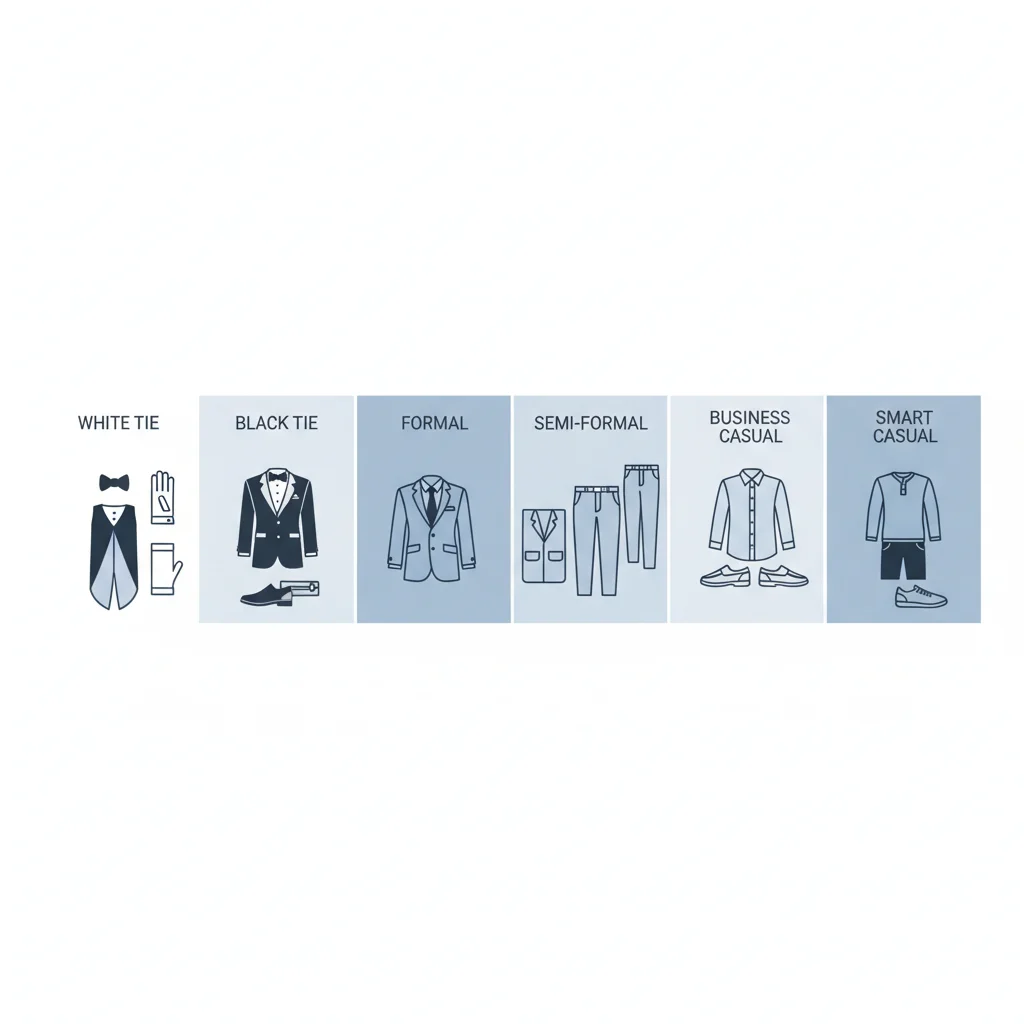
White Tie is the most formal of all American dress codes, reserved for state dinners, royal events, and highly prestigious ceremonies. It is rare but when encountered, it demands strict adherence.
For Men:
- Tailcoat: A black tailcoat, worn unbuttoned, with satin lapels.
- Trousers: Matching black trousers with a single or double stripe of satin braid down the side.
- Shirt: A white stiff-front shirt with wing collar and French cuffs, worn with white studs and cufflinks.
- Waistcoat: A white piqué waistcoat, single- or double-breasted, that covers the waistband of the trousers.
- Bow Tie: A white piqué bow tie, hand-tied.
- Shoes: Black patent leather opera pumps or highly polished black oxfords.
- Accessories: White gloves (optional, for dancing), a white pocket square, and potentially a top hat and white silk scarf for arrival/departure.
For Women:
- Gown: A full-length, formal evening gown. The fabric should be luxurious (silk, satin, velvet) and the design elegant.
- Shoes: Elegant heels, often closed-toe.
- Accessories: Fine jewelry, a small clutch, and sometimes long gloves (opera length). Hair should be elegantly styled, often in an updo.
Black Tie: Elegant and Enduring
Black Tie is a step down from White Tie but remains highly formal, commonly seen at galas, weddings, and upscale evening events. It’s a classic and enduring component of American dress codes.
For Men:
- Tuxedo Jacket: A black (or very dark navy) dinner jacket, single- or double-breasted, with satin lapels (peaked or shawl).
- Trousers: Matching trousers with a single satin stripe down the side.
- Shirt: A white dress shirt, typically pleated, with a turndown collar and French cuffs, worn with studs and cufflinks.
- Bow Tie: A black bow tie, preferably hand-tied.
- Cummerbund/Waistcoat: A black cummerbund (pleats facing up) or a black waistcoat.
- Shoes: Black patent leather oxfords or opera pumps.
- Accessories: A white pocket square is common.
For Women:
- Gown/Cocktail Dress: A formal floor-length evening gown or a sophisticated cocktail dress that is knee-length or longer. The choice often depends on the specific event, but a gown is generally safer for true Black Tie.
- Shoes: Elegant heels.
- Accessories: Fine jewelry, a dressy clutch.
Black Tie Optional/Creative Black Tie: Modern Interpretations
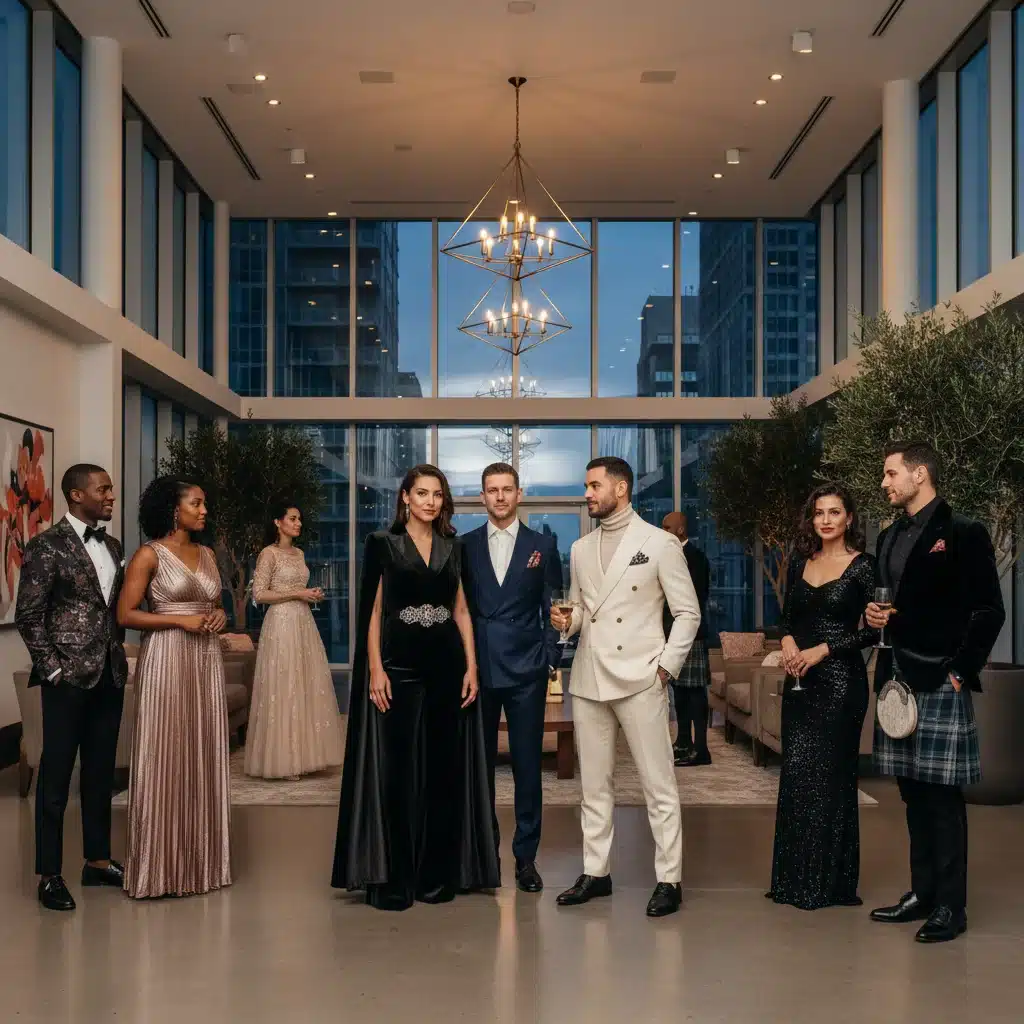
These variations offer a bit more leeway. ‘Black Tie Optional’ means a tuxedo is preferred but a dark suit with a tie is acceptable. ‘Creative Black Tie’ allows for more personal expression through color, texture, and accessories, while still maintaining a formal aesthetic (e.g., a velvet tuxedo jacket, a colored bow tie, or a more fashion-forward gown for women). Understanding these subtle differences is key to mastering American dress codes.
Business Attire: Professionalism Personified
Business dress codes are crucial for professional environments, ranging from traditional corporate settings to more modern offices. These American dress codes communicate reliability and competence.
Business Formal: The Traditional Office Look
Often required in conservative industries like finance, law, or high-level corporate meetings.
For Men:
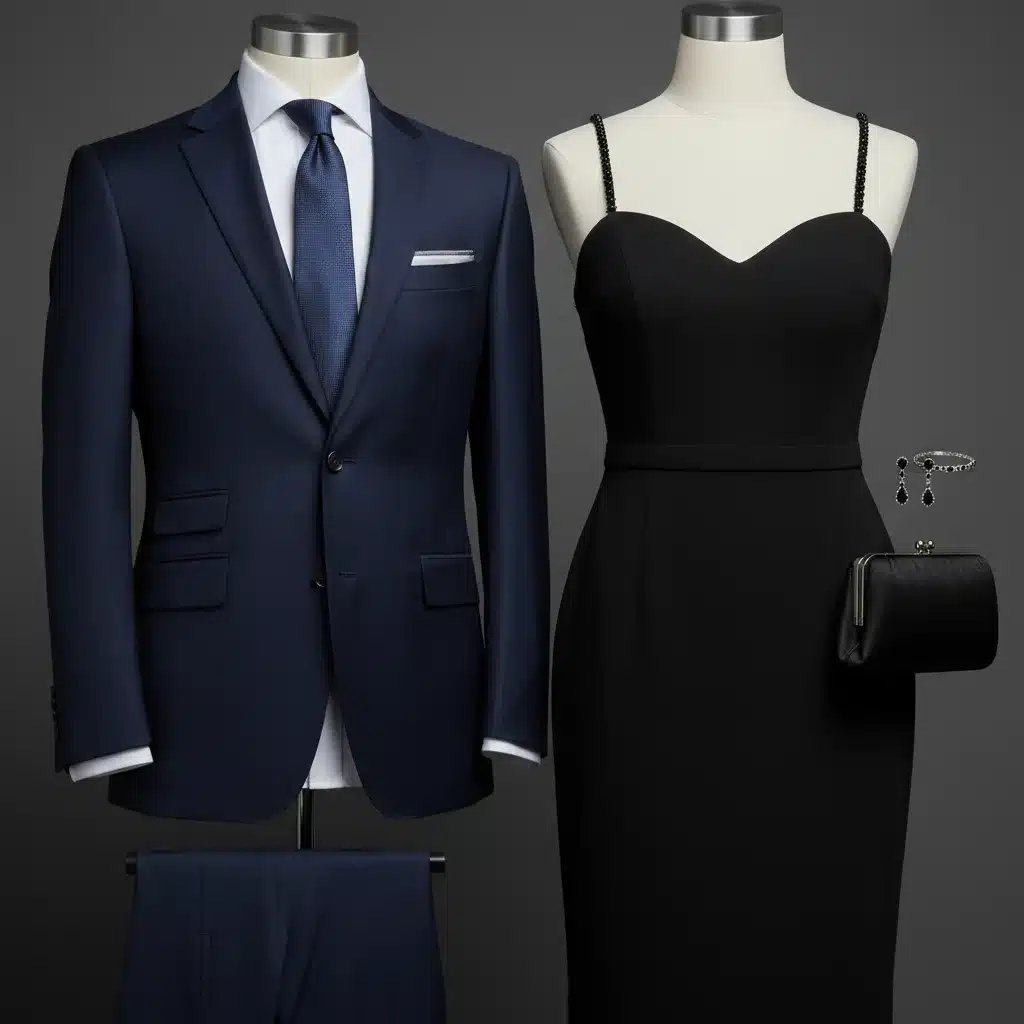
- Suit: A dark, well-tailored suit (navy, charcoal grey, black) with a matching jacket and trousers.
- Shirt: A collared dress shirt (white, light blue, subtle patterns).
- Tie: A silk tie with a conservative pattern or solid color.
- Shoes: Polished leather dress shoes (oxfords, derbies) in black or dark brown.
- Accessories: Matching belt, conservative watch.
For Women:
- Suit: A pantsuit or skirt suit in a conservative color (navy, grey, black, taupe). Skirts should be knee-length or just below.
- Blouse/Top: A professional blouse or shell top.
- Shoes: Closed-toe pumps with a moderate heel.
- Accessories: Minimal, classic jewelry; a professional handbag.
Business Professional: Slightly More Flexible
Common in many corporate environments, allowing for a bit more personality than Business Formal while still maintaining a high level of professionalism.
For Men:
- Suit/Blazer: A suit is still appropriate, but separates like a blazer with dress trousers are also acceptable. Colors can be slightly lighter (e.g., lighter grey, subtle checks).
- Shirt: Dress shirts, can include more patterns or colors.
- Tie: Still recommended, but patterns can be more varied.
- Shoes: Polished dress shoes.
For Women:
- Suit/Separates: A suit, or professional separates like a blazer with tailored trousers or a skirt. Dresses with a blazer are also suitable.
- Blouse/Top: Professional blouses, knit tops, or fine gauge sweaters.
- Shoes: Pumps, elegant flats, or ankle boots.
Business Casual: The Modern Office Standard
Perhaps the most common of current American dress codes in many offices, Business Casual strikes a balance between professional and comfortable. However, it’s often misinterpreted.
For Men:
- Tops: Collared shirts (button-downs, polos), sweaters, or neat knit shirts. Blazers are optional but elevate the look.
- Bottoms: Chinos, khakis, or dress trousers. Dark, well-fitting jeans can sometimes be acceptable depending on the specific office culture, but it’s best to err on the side of caution.
- Shoes: Loafers, derbies, clean sneakers (in some progressive environments), or dress boots.
- Avoid: T-shirts, shorts, overly casual sneakers, ripped jeans.
For Women:
- Tops: Blouses, professional knit tops, sweaters, cardigans.
- Bottoms: Tailored trousers, skirts (pencil, A-line, midi), dresses (sheath, A-line). Dark, well-fitting jeans can be acceptable in some settings.
- Shoes: Flats, loafers, low heels, stylish boots.
- Avoid: Strapless tops, very short skirts/dresses, overly casual t-shirts, flip-flops, athletic wear.
Social Occasions: Navigating the Nuances
Beyond the office, social gatherings come with their own set of American dress codes, each designed to fit the event’s mood and formality.
Cocktail Attire: Sophisticated and Festive
Common for parties, receptions, and semi-formal evening events.
For Men:
- Suit: A dark suit (navy, charcoal, black) is standard. A well-fitting blazer with dress trousers can also work.
- Shirt: A collared dress shirt.
- Tie: A tie is generally expected, but can be more festive or stylish than a business tie.
- Shoes: Polished dress shoes.
For Women:
- Dress: A cocktail dress (knee-length, midi, or even a chic floor-length dress if it’s not overly formal). Jumpsuits or elegant separates are also appropriate.
- Shoes: Heels or elegant flats.
- Accessories: Dressy clutch, jewelry that complements the outfit.
Semi-Formal: The Tricky Middle Ground
This is often confused with cocktail attire. Semi-formal implies a step up from typical party wear but not as formal as black tie. Think of it as a slightly elevated cocktail look.
For Men:
- Suit: A dark suit is safe. Lighter suits might be acceptable for daytime semi-formal events.
- Shirt/Tie: Dress shirt with a tie.
- Shoes: Dress shoes.
For Women:
- Dress: A sophisticated cocktail dress, a dressy skirt and top, or an elegant pantsuit. A floor-length gown might be too much unless it’s a very understated style.
- Shoes: Heels or dressy flats.
Festive Attire: Embrace the Celebration
Typically for holiday parties or themed celebrations. This dress code encourages personality and fun.
For Men:
- Suit/Blazer: A suit or blazer can be worn with festive colors or patterns. Think a velvet blazer, a fun tie, or a holiday-themed pocket square.
- Shirt: Dress shirt, possibly in a festive color.
- Shoes: Dress shoes.
For Women:
- Dress/Separates: A cocktail dress or elegant separates in festive colors, with sequins, glitter, or rich fabrics like velvet.
- Shoes: Heels or dressy flats.
- Accessories: Statement jewelry, festive clutch.
Casual and Smart Casual: Relaxed Yet Polished
These are the most relaxed American dress codes but still require thought.
Casual:
- Generally: Jeans, t-shirts, casual skirts, shorts (weather and context permitting), sneakers, sandals. The key is clean and presentable – avoid stained, ripped, or overly worn items.
Smart Casual:
- For Men: Dark, well-fitting jeans or chinos, neat trousers, collared shirts (polos, button-downs), sweaters, blazers (optional). Loafers, clean sneakers, or casual dress shoes.
- For Women: Stylish jeans, tailored trousers, skirts, dresses. Nice tops, blouses, sweaters. Flats, stylish sneakers, low heels, or boots.
- The Difference: Smart casual elevates casual wear with more refined fabrics, better fit, and thoughtful layering. It’s about looking put-together without being formal.
General Tips for Navigating American Dress Codes in 2026
- When in Doubt, Overdress Slightly: It’s always better to be a little overdressed than underdressed. You can often dress down an outfit by removing a jacket or tie, but it’s hard to dress up one that’s too casual. This is a golden rule for American dress codes.
- Consider the Venue and Time of Day: A daytime event at an outdoor venue will have different expectations than an evening event at a five-star hotel, even if the dress code is similar.
- Research the Event: If it’s a wedding, check the couple’s website for clues. For a corporate event, look at photos from previous years.
- Pay Attention to Fit: No matter the dress code, well-fitting clothes always look better and more professional. Invest in tailoring if needed.
- Grooming Matters: A sharp outfit can be undermined by poor grooming. Pay attention to hair, nails, and overall neatness.
- Accessorize Thoughtfully: Accessories can elevate or detract from an outfit. Choose them to complement your look, not overpower it.
- Understand Regional Differences: While this guide provides general rules, be aware that some regions (e.g., the South vs. the West Coast) might have slightly different interpretations or preferences for certain American dress codes.
- Read the Invitation Carefully: Sometimes the host will include specific notes or hints about the expected attire.
- Comfort is Key (Within Limits): While you need to adhere to the dress code, ensure you can move and feel comfortable in your chosen attire. Discomfort can show and affect your confidence.
- Build a Versatile Wardrobe: Having key pieces that can be mixed and matched across different dress codes (e.g., a good dark suit, a versatile cocktail dress, quality basics) will save you stress and money in the long run.
The Evolution of American Dress Codes: What to Expect in 2026 and Beyond
The trend towards more relaxed and personalized style continues, even within formal settings. While traditional American dress codes like White Tie and Black Tie remain largely unchanged due to their historical significance, categories like Business Casual and Smart Casual are becoming increasingly nuanced. We see a greater emphasis on:
- Quality over Quantity: Investing in fewer, higher-quality pieces that last and look polished.
- Sustainability: A growing awareness of ethical and sustainable fashion choices influencing purchasing decisions.
- Personal Expression: Even within defined dress codes, there’s more room for individuals to express their unique style through accessories, subtle patterns, or unique fabric choices.
- Hybrid Workwear: The rise of hybrid work models has blurred lines between professional and comfortable, leading to more polished casual wear suitable for both home offices and in-person meetings.
Staying informed about these evolving trends will help you not only adhere to American dress codes but also project a modern, confident image.
Conclusion: Dress with Confidence and Intent
Mastering American dress codes in 2026 is an art form that blends tradition with contemporary flair. By understanding the specific requirements of each category, paying attention to detail, and considering the context of the event, you can confidently choose attire that is both appropriate and stylish. Remember, your clothing is a powerful tool for communication. It reflects your respect for the occasion, your professionalism, and your personal brand. Use this guide as your compass to navigate the diverse landscape of American fashion, ensuring you always make a memorable and positive impression.
Invest in timeless pieces, understand the nuances, and always strive for an appearance that makes you feel empowered and ready for any occasion. With this knowledge, you are well-equipped to conquer any dress code challenge that comes your way in 2026 and beyond.