The Top 5 Sustainable Fashion Trends Dominating 2026: An Insider’s Guide to Ethical Style Choices
In an era where environmental consciousness is no longer an option but a necessity, the fashion industry is undergoing a monumental transformation. The clamor for ethical practices, transparency, and reduced environmental impact has pushed sustainable fashion from a niche movement to a mainstream imperative. As we look towards 2026, the landscape of style is set to be redefined by groundbreaking innovations and a renewed commitment to planetary well-being. This comprehensive guide will delve into the top 5 sustainable fashion trends that are poised to dominate the industry, offering an insider’s perspective on how to embrace ethical style choices without compromising on aesthetics or quality.
The journey towards a truly sustainable fashion ecosystem is complex, requiring a multifaceted approach that addresses everything from raw material sourcing and manufacturing processes to consumer behavior and end-of-life solutions for garments. The trends we are about to explore are not isolated phenomena; rather, they are interconnected pillars supporting a future where fashion can thrive in harmony with the planet. From cutting-edge material science to revolutionary business models, these trends represent the vanguard of change, shaping how we design, produce, consume, and even dispose of our clothing.
Understanding these burgeoning sustainable fashion trends is crucial for consumers, designers, brands, and investors alike. For consumers, it means making more informed purchasing decisions that align with their values. For designers and brands, it signifies an opportunity to innovate, differentiate, and build a resilient business model for the future. And for the planet, it offers a glimmer of hope for a significant reduction in the environmental footprint of one of the world’s most resource-intensive industries.
Let’s embark on this insightful exploration of the future of ethical style, uncovering the innovations and philosophies that will define sustainable fashion trends in 2026 and beyond.
1. The Rise of Bio-Synthetics and Next-Generation Materials
The foundation of sustainable fashion lies in its materials. For decades, the industry has relied heavily on conventional cotton, polyester, and other resource-intensive fabrics. However, 2026 is set to witness an unprecedented surge in bio-synthetics and other next-generation materials that offer superior performance with a significantly lower environmental impact. These aren’t just buzzwords; they represent a fundamental shift in how textiles are engineered.
Mycelium-Based Leathers and Alternatives
One of the most exciting innovations in this space is the development of mycelium-based leathers. Mycelium, the root structure of mushrooms, can be grown rapidly and efficiently into materials that mimic the look and feel of animal leather, but without the ethical and environmental concerns associated with livestock farming and tanning processes. Brands are investing heavily in research and development to scale up production, making mycelium leather a viable and luxurious alternative for everything from handbags to footwear. Its biodegradability at the end of its life cycle further solidifies its position as a leading sustainable material.
Algae and Seaweed-Derived Fabrics
The oceans, often overlooked as a source of textile innovation, are yielding remarkable new materials. Algae and seaweed are being transformed into fibers that are not only sustainable to cultivate but also offer unique properties such as breathability and moisture-wicking capabilities. These marine-based textiles require minimal land and freshwater, and their cultivation can even contribute to marine ecosystem health. Expect to see these materials integrated into activewear, casual clothing, and even high-fashion pieces.
Recycled and Upcycled Performance Fabrics
While recycling isn’t new, the sophistication of recycled and upcycled performance fabrics is reaching new heights. Innovations in chemical and mechanical recycling are allowing for the creation of high-quality textiles from post-consumer waste, such as plastic bottles, fishing nets, and even old garments. These materials are being engineered to offer enhanced durability, stretch, and comfort, proving that sustainability doesn’t mean compromising on performance. Brands are increasingly transparent about the origin of their recycled content, building consumer trust and fostering a more circular economy.
Agricultural Waste Textiles
Turning waste into treasure is a core principle of sustainability. Agricultural waste, such as pineapple leaves, banana stalks, and citrus peels, is being ingeniously repurposed into textile fibers. These materials, often byproducts of existing industries, offer a compelling alternative to virgin resources. The development of technologies to efficiently extract and process these fibers is accelerating, promising a future where fashion can contribute to reducing waste across multiple sectors.
The embrace of these bio-synthetics and next-generation materials is a pivotal sustainable fashion trend for 2026. It signifies a move away from reliance on finite resources and towards a regenerative model where materials are either grown, recycled, or derived from waste, thereby drastically reducing the environmental footprint of clothing production.
2. Circular Fashion: From Linear to Loop
The traditional linear model of ‘take-make-dispose’ is fundamentally unsustainable. Circular fashion, a concept gaining significant traction, aims to keep resources in use for as long as possible, extract the maximum value from them whilst in use, then recover and regenerate products and materials at the end of each service life. By 2026, circularity will be a defining characteristic of leading sustainable fashion trends.
Design for Longevity and Disassembly
At the heart of circular fashion is design. Designers are increasingly focusing on creating garments that are durable, timeless, and easy to repair. Furthermore, there’s a growing emphasis on ‘design for disassembly’ – creating products that can be easily taken apart at the end of their life, allowing components to be recycled or repurposed efficiently. This includes using mono-materials (fabrics made from a single type of fiber) to simplify recycling processes and minimizing the use of mixed materials that are difficult to separate.
Repair, Reuse, and Resale Models
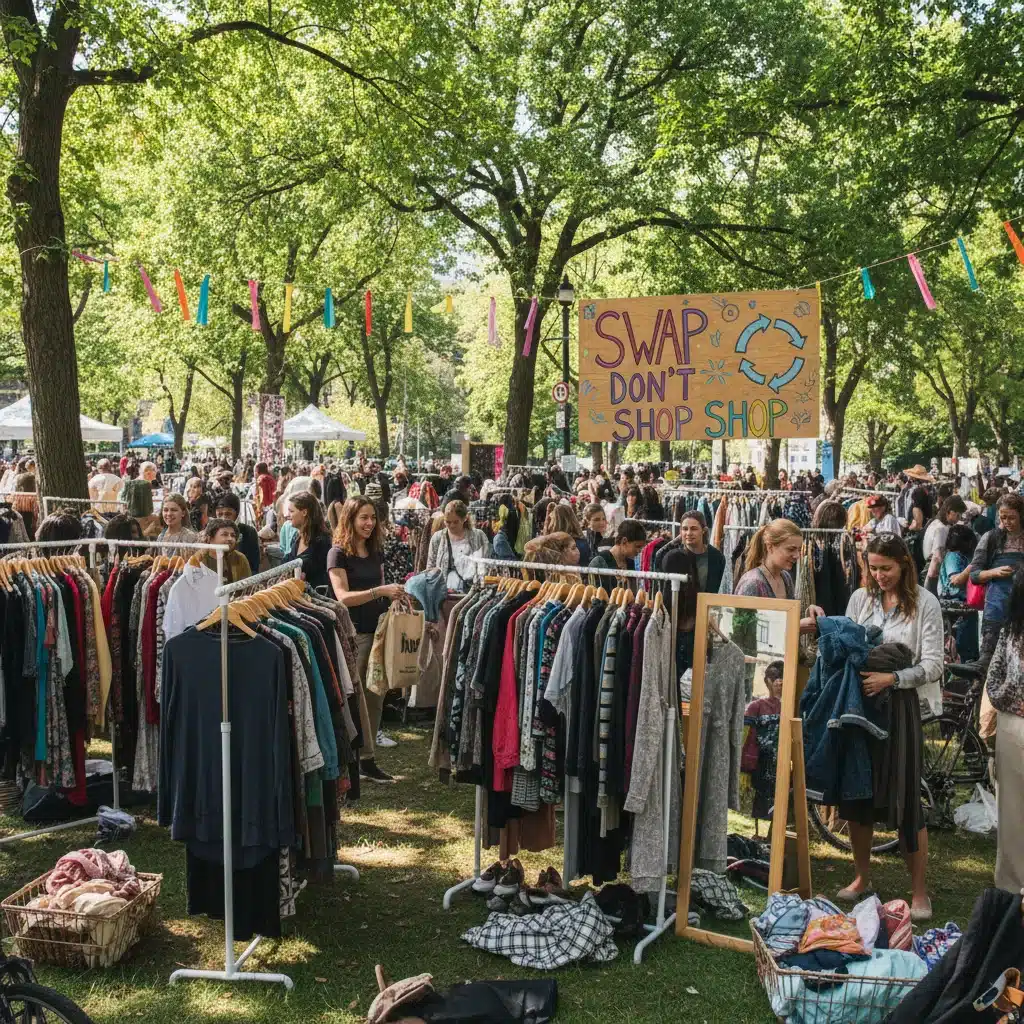
The lifespan of clothing is being extended through innovative business models centered around repair, reuse, and resale. Brands are launching in-house repair services, partnering with third-party repair networks, and even offering incentives for customers to return old garments for recycling or resale. The secondhand market, fueled by platforms for peer-to-peer selling and curated vintage shops, is booming. This shift not only reduces waste but also makes fashion more accessible and affordable, democratizing sustainable style.
Rental and Subscription Services
The concept of ownership is evolving. Rental and subscription services for clothing are gaining popularity, particularly for occasion wear, workwear, and fast-changing trends. This model allows consumers to enjoy a wider variety of styles without the commitment of purchase, significantly reducing the demand for new production and extending the life of garments. These services are particularly appealing to younger generations who prioritize experiences and access over ownership.
Advanced Recycling Technologies
While mechanical recycling has its limitations, advanced chemical recycling technologies are revolutionizing textile waste management. These processes can break down mixed fibers into their molecular components, allowing them to be re-spun into new, high-quality fibers. Investment in these technologies is critical for closing the loop on textile waste and will be a major driver of circular fashion in 2026. This means less textile waste going to landfills and a reduced need for virgin resources.

3. Transparency and Traceability: The Blockchain Revolution
Consumers are demanding more than just sustainable products; they want to know the story behind their clothes. Transparency and traceability are becoming non-negotiable, and by 2026, blockchain technology will play a pivotal role in achieving this. This emphasis on clear, verifiable information is transforming how brands communicate their sustainability efforts and empowering consumers to make truly informed choices, making it a crucial aspect of sustainable fashion trends.
Supply Chain Mapping and Verification
Blockchain offers an immutable and decentralized ledger to track every step of a garment’s journey, from raw material to finished product. This means consumers can scan a QR code on a label and instantly access information about the origin of fibers, the factories where the garment was made, labor conditions, and even the environmental certifications of each stage. This level of granular detail allows brands to verify their claims and builds unparalleled trust with their customer base.
Ethical Sourcing and Labor Practices
Beyond environmental impact, social sustainability is a key concern. Blockchain can help ensure ethical sourcing of materials and fair labor practices throughout the supply chain. By recording transactions and certifications, it becomes much harder for unethical practices to hide. This increased visibility empowers brands to ensure their suppliers meet stringent ethical standards and helps consumers support companies that prioritize human rights.
Product Passports and Digital Identities
Imagine a digital passport for every garment. This is becoming a reality with blockchain. Each item can have a unique digital identity that stores information about its composition, care instructions, repair history, and even resale value. This not only enhances transparency but also facilitates circular models by providing valuable data for recycling and end-of-life management. These digital product passports are set to become a standard feature in sustainable fashion trends.
Combatting Greenwashing
As sustainability becomes a marketing buzzword, greenwashing – the practice of making misleading claims about environmental practices – is a growing concern. Blockchain provides a powerful tool to combat this. By offering verifiable data, it allows consumers to differentiate between genuinely sustainable brands and those merely paying lip service to environmental responsibility. This shift towards data-driven claims will elevate the credibility of truly sustainable brands.
4. Hyper-Local Production and On-Demand Manufacturing
The globalized supply chain, while efficient in some ways, contributes significantly to fashion’s carbon footprint through extensive transportation and overproduction. In 2026, a significant sustainable fashion trend will be the move towards hyper-local production and on-demand manufacturing, driven by technological advancements and a desire for greater efficiency and reduced waste.
Reduced Transportation Emissions
By producing garments closer to the point of sale, brands can drastically cut down on transportation emissions associated with shipping materials and finished products across continents. This regionalization of manufacturing not only benefits the environment but also supports local economies and creates jobs within communities.
Minimized Waste Through On-Demand Production
Traditional fashion often relies on predicting trends and producing large quantities in advance, leading to significant overstock and waste when items don’t sell. On-demand manufacturing, enabled by technologies like 3D printing, advanced robotics, and micro-factories, allows brands to produce garments only when an order is placed. This eliminates excess inventory, reduces textile waste, and allows for greater customization, making it a highly efficient and sustainable model.
Digital Design and Prototyping
The design process itself is becoming more sustainable. Digital design tools and 3D prototyping reduce the need for physical samples, saving on materials, energy, and transportation. This streamlined approach allows designers to iterate quickly and efficiently, bringing sustainable products to market faster and with less waste. This digital transformation is a quiet yet powerful force shaping sustainable fashion trends.
Reshoring and Local Craftsmanship
There’s a renewed appreciation for local craftsmanship and traditional skills. As production becomes more localized, brands are increasingly investing in and celebrating regional artisans and manufacturing techniques. This not only preserves cultural heritage but also allows for smaller, more ethical production runs and a stronger connection between consumers and the makers of their clothes.
5. Regenerative Agriculture and Biodiversity in Fiber Production
The impact of fashion begins at the farm. Conventional agriculture, particularly for cotton, can lead to soil degradation, water pollution, and loss of biodiversity. Regenerative agriculture, a holistic approach to farming that aims to restore and enhance ecosystems, is emerging as a critical sustainable fashion trend for 2026, focusing on the very source of our materials.
Soil Health and Carbon Sequestration
Regenerative agricultural practices, such as cover cropping, no-till farming, and diverse crop rotations, improve soil health, increase organic matter, and enhance the soil’s ability to sequester carbon from the atmosphere. This turns agricultural land from a carbon emitter into a carbon sink, offering a powerful solution to climate change. Brands are forming partnerships with farms that employ these practices, ensuring their fibers are not only sustainable but actively contribute to environmental regeneration.
Water Conservation and Quality
Regenerative farming techniques significantly reduce the need for irrigation by improving soil’s water retention capabilities. Furthermore, by minimizing the use of synthetic pesticides and fertilizers, these practices prevent water pollution, protecting aquatic ecosystems and ensuring clean water resources. This is particularly vital for water-intensive crops like cotton.
Biodiversity Restoration
Monoculture farming, common in conventional agriculture, depletes biodiversity. Regenerative practices, by promoting diverse plant and animal life on farms, help restore ecosystems and create habitats for pollinators and other beneficial organisms. This holistic approach recognizes that a healthy environment is a prerequisite for truly sustainable fiber production.
Ethical Animal Husbandry for Wool and Leather
For animal-derived fibers like wool and leather, regenerative agriculture extends to ethical animal husbandry. This means ensuring animals are raised in conditions that respect their welfare, allowing them to graze naturally and contributing to the health of the land. Brands are increasingly transparent about their animal welfare standards and sourcing from farms that prioritize regenerative practices. This comprehensive approach to raw materials is a cornerstone of future sustainable fashion trends.
The Future of Sustainable Fashion: A Holistic Vision
The sustainable fashion trends dominating 2026 paint a picture of an industry in profound transformation. It’s a future where innovation, ethics, and environmental responsibility are not just considerations but core tenets of design and business. From the molecular level of materials to the global scale of supply chains, every aspect is being re-evaluated through a sustainability lens.
These five trends – the embrace of bio-synthetics, the push for circularity, the demand for transparency, the shift to hyper-local production, and the adoption of regenerative agriculture – are not isolated movements. They are interwoven, creating a robust framework for a fashion industry that is regenerative by design. Consumers will have more choices than ever before to align their wardrobe with their values, while brands will find new avenues for creativity and responsible growth.
The journey is ongoing, and challenges remain, particularly in scaling these innovations and ensuring equitable access. However, the momentum is undeniable. As we move closer to 2026, expect to see these trends evolve, deepen, and inspire even more groundbreaking solutions. The future of fashion is not just about looking good; it’s about doing good, and these sustainable fashion trends are leading the way.
Embracing the Change: What You Can Do
For individuals, embracing these sustainable fashion trends means making conscious choices. Here are some actionable steps:
- Educate Yourself: Learn about the materials, production processes, and brands that align with your values.
- Invest in Quality: Choose durable, well-made garments that will last, reducing the need for frequent replacements.
- Support Circular Models: Participate in clothing swaps, buy second-hand, use rental services, and repair your clothes.
- Demand Transparency: Patronize brands that are open about their supply chains and sustainability efforts.
- Care for Your Clothes: Follow care instructions to extend garment life and reduce environmental impact from washing.
- Advocate for Change: Use your voice to encourage brands and policymakers to prioritize sustainable practices.
By collectively adopting these practices and supporting the brands pioneering these sustainable fashion trends, we can accelerate the transition to a fashion industry that not only creates beauty but also respects our planet and its people. The future of fashion is bright, green, and circular, and it’s a future we can all help build.