Hair Health Revolution: 4 New Technologies Impacting Haircare in Early 2026
The landscape of beauty and personal care is in a constant state of evolution, driven by relentless innovation and a deeper understanding of biological processes. When it comes to hair health, the early months of 2026 are set to usher in an era of unprecedented transformation. We’re moving beyond generic solutions, entering a realm where technology, science, and personalization converge to create truly revolutionary haircare experiences. This isn’t just about new products; it’s about entirely new paradigms for understanding, treating, and enhancing our hair. The future of hair health is here, and it’s smarter, more precise, and more sustainable than ever before. Let’s delve into the four groundbreaking technologies that are poised to redefine the Haircare Technology 2026 landscape.
1. AI-Driven Diagnostics and Personalized Formulations: The Era of Hyper-Personalized Haircare
For decades, haircare has largely been a trial-and-error process. Consumers would experiment with various shampoos, conditioners, and treatments, hoping to find the right combination for their unique hair type and concerns. This often led to frustration, wasted money, and suboptimal results. However, early 2026 is witnessing the full maturation of AI-driven diagnostics, fundamentally changing this approach.
The Power of Data and Algorithms in Hair Health
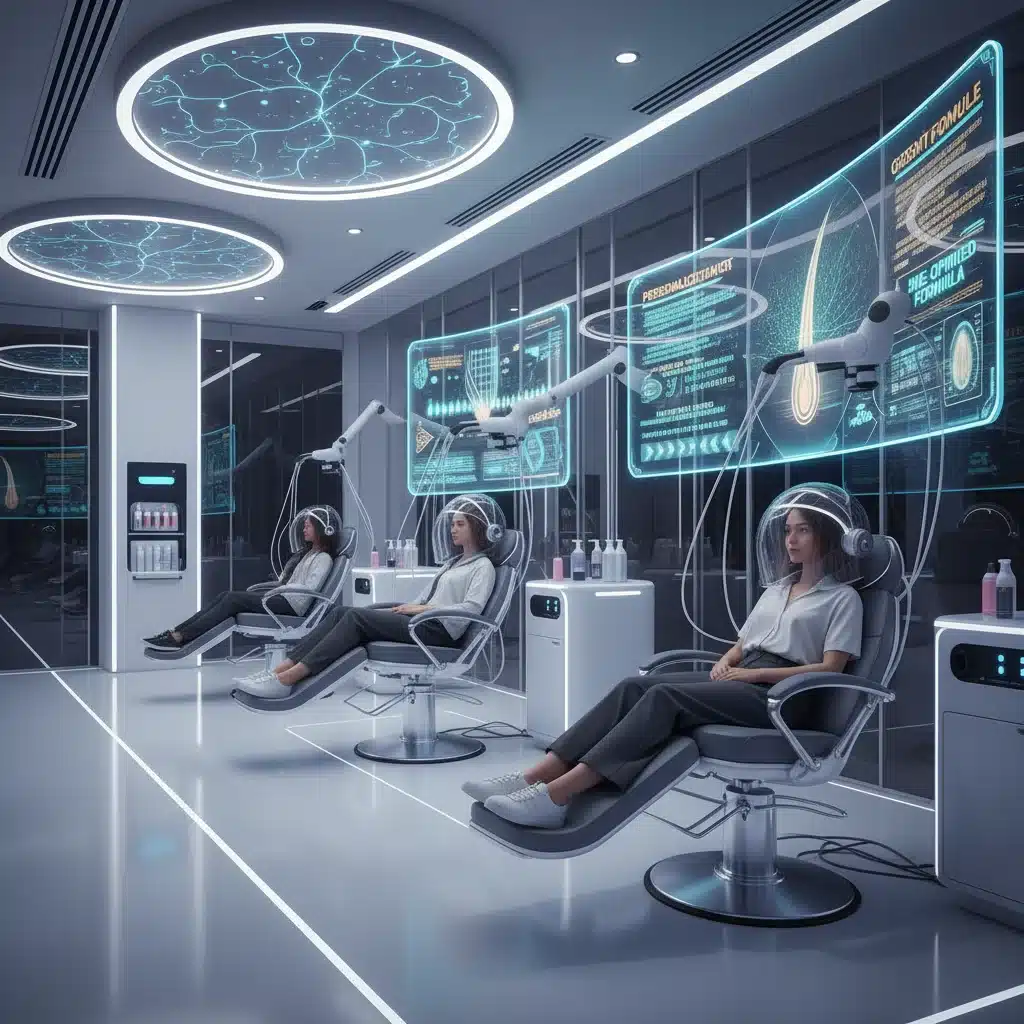
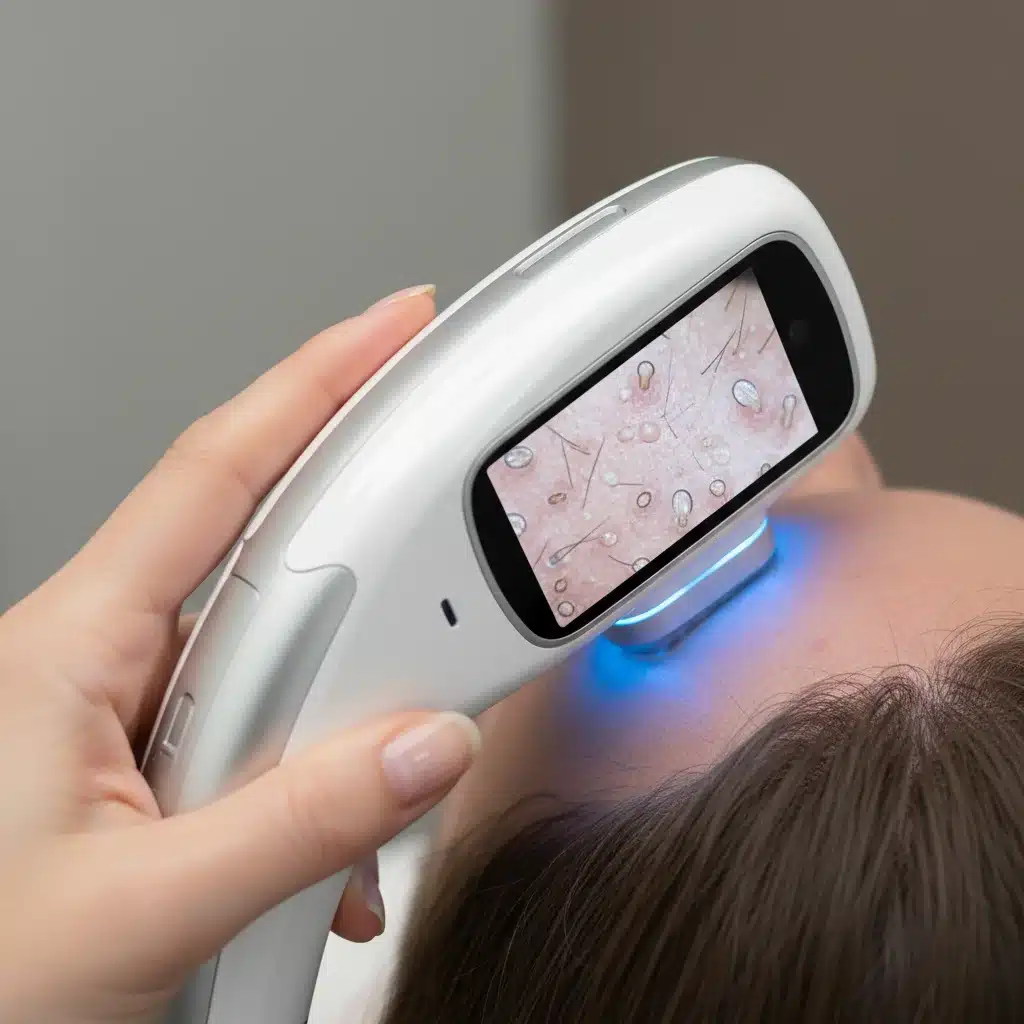
Imagine a world where your hair and scalp health are analyzed with scientific precision, not guesswork. This is the promise of AI in haircare. Advanced diagnostic tools, often integrated into handheld devices or salon-grade equipment, now utilize sophisticated algorithms to assess a myriad of factors:
- Scalp Microbiome Analysis: Beyond surface-level observation, AI can now analyze the delicate balance of microorganisms on your scalp. An imbalanced microbiome can lead to issues like dandruff, oiliness, or dryness. Understanding this balance allows for targeted treatments that restore harmony.
- Hair Strand Health Assessment: High-resolution imaging combined with AI can evaluate the structural integrity of individual hair strands. This includes assessing cuticle damage, porosity levels, elasticity, thickness, and even the presence of micro-fractures. This level of detail was previously unattainable outside of specialized laboratories.
- Environmental Impact Evaluation: AI models can factor in external elements like local humidity, pollution levels, UV exposure, and even water hardness in your geographical location. These environmental stressors play a significant role in hair health and are often overlooked in traditional haircare recommendations.
- Lifestyle and Dietary Analysis: Through secure and consented data input, AI can correlate lifestyle choices, dietary habits, stress levels, and even sleep patterns with observed hair and scalp conditions. This holistic view provides a comprehensive understanding of underlying issues.
From Diagnosis to Bespoke Solutions
The true revolution lies not just in the diagnosis but in the immediate, actionable insights it provides. Once the AI has compiled its comprehensive profile, it doesn’t just offer generic advice. Instead, it generates a hyper-personalized formulation for your haircare products. This could mean:
- Customized Shampoos and Conditioners: Ingredients are selected and precisely proportioned to address your specific needs – whether it’s a blend of anti-inflammatory agents for an irritated scalp, specific proteins for damaged strands, or humectants tailored to your hair’s porosity.
- Targeted Serums and Treatments: Beyond daily wash routines, AI can recommend and formulate potent serums designed to tackle specific problems, such as stimulating growth in thinning areas, reducing breakage, or balancing oil production.
- Dynamic Formulations: Some cutting-edge systems in early 2026 are even exploring dynamic formulations that can be adjusted over time as your hair and scalp respond to treatment, or as environmental factors change. This ensures your haircare regimen remains optimally effective.
This personalization extends beyond the product itself to the entire user experience. Imagine receiving a monthly subscription box with perfectly tailored products, each batch formulated based on your latest hair health data. This approach minimizes waste, maximizes efficacy, and empowers individuals to take control of their hair health like never before. The integration of AI into Haircare Technology 2026 is not just a trend; it’s a fundamental shift towards truly individualized beauty.
2. Advanced Ingredient Delivery Systems: Precision at the Micro-Level
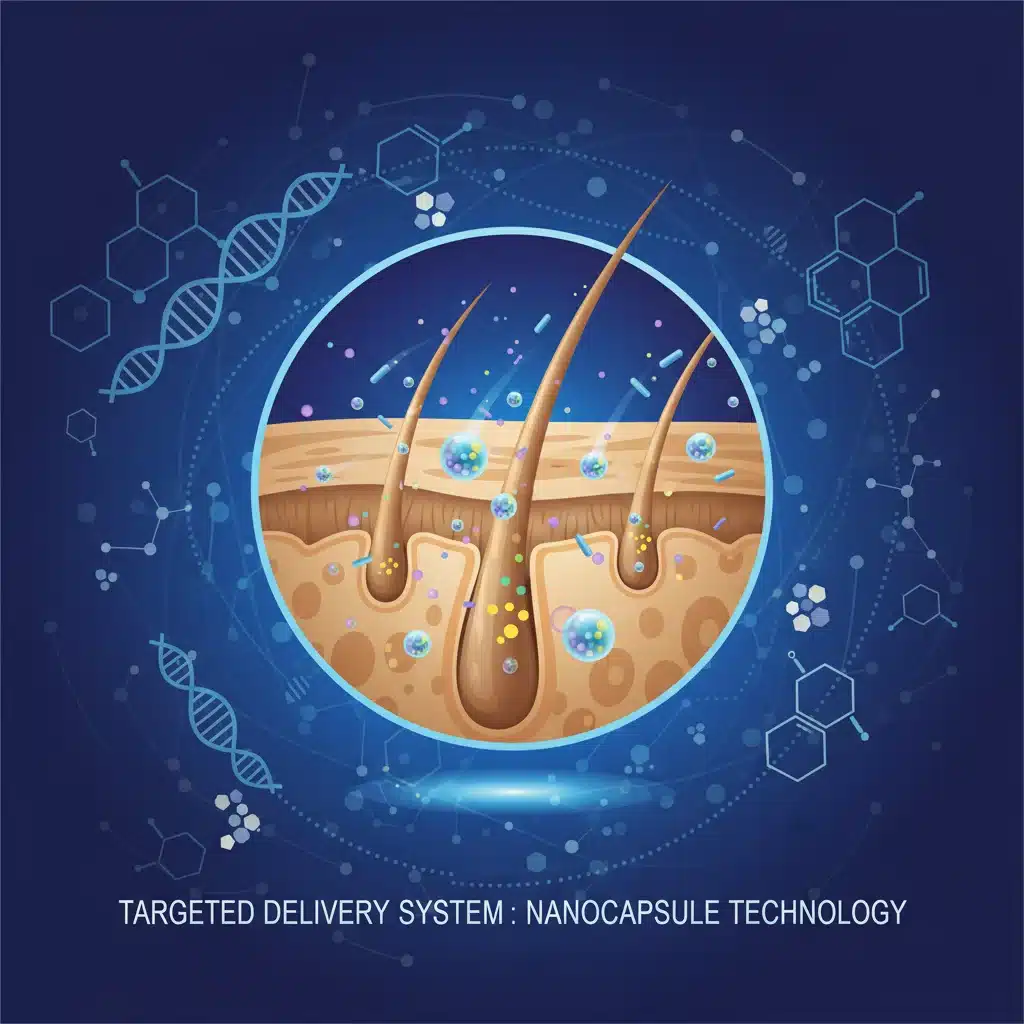
Even the most potent ingredients are ineffective if they can’t reach their target efficiently. This has long been a challenge in haircare, where active compounds often struggle to penetrate the hair shaft or scalp barrier effectively. Early 2026 is bringing forth significant advancements in ingredient delivery systems, promising unparalleled precision and efficacy.
Nanotechnology and Micro-Encapsulation
The concept of delivering ingredients at a microscopic level isn’t entirely new, but the sophistication and stability of these systems have reached new heights:
- Nanoparticles: These ultra-small particles (typically 1-100 nanometers) can encapsulate active ingredients, protecting them from degradation and enabling them to penetrate deeper into the hair cortex or scalp epidermis. This means ingredients like keratin, vitamins, or growth factors can reach the very core of the hair fiber or the follicular bulb, where they can exert their maximum effect.
- Micro-Encapsulation: Larger than nanoparticles but still microscopic, micro-capsules offer controlled release mechanisms. Imagine a capsule that only releases its contents when exposed to a specific pH level (found on the scalp), or when friction is applied (during brushing). This targeted release ensures ingredients are active precisely when and where they are needed, prolonging their effect and reducing waste.
- Liposomal Delivery: Liposomes, which are spherical vesicles made of lipid bilayers, are excellent for delivering both water-soluble and fat-soluble ingredients. Their structure allows them to fuse with cell membranes, facilitating the direct transfer of active compounds into cells on the scalp, nourishing hair follicles from within.
Bio-Adhesive Polymers and Smart Release
Beyond simply getting ingredients to their destination, the focus is now on making them stick and release strategically:
- Bio-Adhesive Polymers: These polymers are designed to bind specifically to the hair shaft or scalp, creating a reservoir of active ingredients. This ensures a longer-lasting effect, as the ingredients aren’t simply rinsed away. For example, a polymer infused with UV protectants could adhere to hair strands, offering continuous sun protection throughout the day.
- Temperature-Responsive Release: Some innovative systems are exploring ingredients that release their compounds in response to body temperature or external heat (like styling tools). This could mean heat-activated repair agents that work synergistically with your blow-dryer or flat iron, providing protection and treatment simultaneously.
- pH-Responsive Release: Given the varying pH levels of hair and scalp (which can be affected by products, environment, or conditions), pH-responsive systems can deliver ingredients precisely where they are most effective. For instance, a dandruff treatment could be formulated to release its active ingredients only in the slightly more alkaline environment of a problematic scalp.
These advanced delivery systems are a game-changer for the efficacy of haircare products. They transform passive application into active, targeted treatment, ensuring that every drop of product works harder and smarter. This precision engineering is a hallmark of the evolving Haircare Technology 2026 landscape, promising more profound and lasting results for consumers.
3. Regenerative Hair Therapies and Bio-Stimulation: Nurturing Growth from Within
While external treatments are vital, the most profound changes in hair health often stem from internal processes. Early 2026 is seeing significant breakthroughs in regenerative therapies and bio-stimulation techniques that aim to rejuvenate hair follicles and promote healthy growth from the root up. These technologies are moving beyond simply preventing hair loss to actively encouraging robust, vibrant hair.
Peptide and Growth Factor Infusions
The understanding of cellular communication and growth signals has led to the development of highly targeted bio-active ingredients:
- Biomimetic Peptides: These synthetic peptides mimic the body’s natural signaling molecules. Specific peptides can be formulated to stimulate hair follicle stem cells, prolong the anagen (growth) phase of the hair cycle, or improve blood circulation to the scalp, all crucial for healthy hair growth. Their small size makes them ideal for penetration when combined with advanced delivery systems.
- Exosomes and Growth Factors: Derived from stem cells, exosomes are tiny vesicles that carry proteins, lipids, and nucleic acids, acting as messengers between cells. When applied to the scalp, exosome-rich formulations can deliver powerful growth factors and regenerative signals directly to dormant or struggling hair follicles, effectively ‘waking them up’ and promoting new, healthy hair growth. This is a significant leap from earlier, less refined growth factor applications.
- Stem Cell Conditioned Media: Similar to exosomes, this involves using the nutrient-rich media in which stem cells have been cultured. This media contains a cocktail of beneficial proteins and growth factors that can nourish the scalp and stimulate follicular activity without introducing actual living cells.
Low-Level Light Therapy (LLLT) Advancements
LLLT, utilizing red and near-infrared light, has been around for some time, but the technology is becoming more refined and accessible:
- Optimized Wavelengths and Dosing: Research in early 2026 has led to a better understanding of the optimal wavelengths and energy dosages for stimulating cellular activity in hair follicles. Devices are now more precisely calibrated for maximum efficacy.
- Wearable and Integrated Devices: LLLT is no longer confined to clinic settings. Advanced wearable devices, such as smart helmets and caps, are becoming more sophisticated, offering consistent and convenient at-home treatments. These devices often integrate with apps to track progress and personalize treatment schedules.
- Combination Therapies: LLLT is increasingly being used in conjunction with topical treatments containing peptides or exosomes. The light therapy enhances cellular uptake and metabolism, making the applied ingredients even more effective. This synergistic approach is a cornerstone of advanced Haircare Technology 2026.
These regenerative approaches represent a shift from merely managing hair issues to actively restoring and enhancing hair’s natural vitality. By working at the cellular level, these technologies promise not just aesthetic improvement but fundamental improvements in hair health and resilience.
4. Sustainable and Biodegradable Innovations: Eco-Conscious Haircare
As consumers become increasingly aware of their environmental footprint, the beauty industry is under immense pressure to adopt more sustainable practices. Early 2026 sees sustainability moving beyond mere ‘greenwashing’ to become a core pillar of Haircare Technology 2026, driven by genuine scientific innovation in ingredients and packaging.
Bio-Engineered and Upcycled Ingredients
The focus is on sourcing ingredients responsibly and creating new ones with minimal environmental impact:
- Fermentation-Derived Ingredients: Biotechnology is enabling the creation of high-performing ingredients through fermentation processes. This method can produce active compounds like hyaluronic acid, amino acids, and even some proteins, often with less water, land, and energy compared to traditional extraction methods. It also allows for precise control over the ingredient’s purity and efficacy.
- Upcycled Byproducts: The beauty industry is increasingly looking at waste from other industries as a valuable resource. Byproducts from agriculture (like fruit seeds, coffee grounds, or olive pits) or food processing are being scientifically processed to extract beneficial compounds for haircare, turning waste into valuable assets. This reduces landfill burden and creates a circular economy.
- Lab-Grown Botanicals: Instead of cultivating vast fields, some botanical extracts are now being grown in controlled lab environments. This uses significantly less water and land, eliminates the need for pesticides, and ensures consistent quality and potency of the active ingredients.
Waterless Formulations and Concentrates
Water is often the primary ingredient in many haircare products, and its transportation contributes significantly to carbon emissions. The industry is innovating to reduce this reliance:
- Solid Shampoos and Conditioners: These bars are becoming more sophisticated, offering the same lather and conditioning benefits as their liquid counterparts, but without the need for plastic bottles and excessive water content. They are highly concentrated and last longer.
- Powder-to-Liquid Formulations: Innovative powders that activate upon contact with water allow consumers to mix their fresh product at home. This drastically reduces the weight and volume for shipping, lowering carbon emissions, and often eliminates the need for preservatives found in water-based products.
- Highly Concentrated Serums and Treatments: Even liquid products are being formulated as ultra-concentrates, requiring only a few drops per application. This reduces overall product consumption and packaging waste.
Biodegradable Packaging and Refill Systems
Packaging innovation is just as crucial as ingredient innovation:
- Compostable and Biodegradable Materials: Beyond recyclable plastics, early 2026 is seeing a rise in packaging made from plant-based materials that can fully biodegrade or be composted at home, leaving no trace.
- Refill-at-Home Systems: Many brands are introducing elegant, durable refillable containers that can be replenished with concentrated pouches or subscription-based refills, significantly reducing single-use plastic.
- Ocean Plastic and Recycled Content: The use of plastic collected from oceans or made from 100% post-consumer recycled (PCR) materials is becoming a standard, not an exception, in sustainable packaging.
These sustainable innovations are not just good for the planet; they often lead to more potent and effective products. The synergy between scientific advancement and environmental responsibility defines the modern approach to Haircare Technology 2026.
The Broader Impact of Haircare Technology in 2026
The advancements in Haircare Technology 2026 extend far beyond individual benefits, creating ripple effects across the industry and consumer behavior:
Empowering Consumers with Knowledge
With AI diagnostics and personalized data, consumers are no longer passive recipients of products. They become active participants in their hair health journey, armed with detailed insights and understanding. This fosters a sense of empowerment and encourages more informed choices.
Shifting Industry Paradigms
The beauty industry itself is undergoing a transformation. Brands that embrace these technologies will thrive, while those clinging to outdated models may struggle. This pushes manufacturers to invest more in R&D, fostering a culture of continuous innovation.
Ethical Considerations and Data Privacy
As personalization relies heavily on data, ethical considerations around data privacy and security become paramount. Reputable brands will prioritize transparent data handling, ensuring consumer trust remains at the core of their operations. Regulations will likely evolve to keep pace with these technological advancements.
Accessibility and Affordability
While initial iterations of these technologies might be premium, the history of technology suggests that accessibility and affordability will improve over time. As production scales and innovations become more widespread, personalized and technologically advanced haircare will become available to a broader audience.
The Future of Haircare Professionals
Far from replacing them, these technologies empower haircare professionals. Stylists and trichologists can leverage AI diagnostics to provide even more precise consultations and treatments, solidifying their role as expert guides in the personalized hair health journey. They will become curators of technology-driven solutions, offering bespoke advice and specialized services.
Conclusion: A New Horizon for Hair Health
The early months of 2026 represent a remarkable inflection point in the world of haircare. The convergence of artificial intelligence, advanced material science, biotechnology, and a profound commitment to sustainability is creating a future where healthy, vibrant hair is not just an aspiration but an achievable reality for everyone. From hyper-personalized formulations tailored to your unique biological blueprint, to ingredients delivered with microscopic precision, and sustainable solutions that respect our planet, the Haircare Technology 2026 landscape is nothing short of revolutionary.
This isn’t just about superficial beauty; it’s about fostering genuine hair health from the inside out, addressing concerns with scientific rigor, and doing so in a way that is environmentally responsible. As these technologies continue to evolve, we can anticipate even more astonishing breakthroughs, making haircare an increasingly exciting and empowering aspect of personal wellness. The future of your hair is intelligent, targeted, and sustainable – and it’s already here.