Fashion Tech 2026: Wearable Innovations Reshaping US Style & Consumer Experience

The landscape of fashion is in perpetual motion, constantly evolving with the tides of technology and consumer demand. As we hurtle towards 2026, the convergence of fashion and technology, often dubbed fashion tech innovations, is no longer a futuristic concept but a tangible reality reshaping how we dress, interact with our clothing, and experience style. The United States, a global trendsetter and innovation hub, is at the forefront of this revolution. This article delves deep into three pivotal wearable innovations poised to redefine US style and profoundly enhance the consumer experience by 2026.
From garments that adapt to our environment to accessories that anticipate our needs, the future of fashion promises an unprecedented blend of aesthetics, functionality, and sustainability. These advancements are not merely about adding gadgets to clothing; they represent a fundamental shift in design philosophy, manufacturing processes, and the very relationship we have with our apparel. Get ready to explore the cutting edge of style, where innovation meets intuition.
The Rise of Smart Fabrics: Beyond Wearable Gadgets
For years, wearable technology conjured images of bulky smartwatches and fitness trackers. However, the true revolution in fashion tech innovations lies in the very fabric of our clothing. By 2026, smart fabrics will have moved beyond niche applications to become a mainstream component of US style, offering unparalleled functionality and comfort.
What are Smart Fabrics?
Smart fabrics, also known as e-textiles or intelligent textiles, are materials that can sense, react, and adapt to external stimuli or user input. They integrate digital components like microcontrollers, sensors, and actuators directly into the textile structure, creating garments that are not just aesthetically pleasing but also highly interactive and responsive. Unlike traditional wearables that are often added to existing clothing, smart fabrics are inherently technological, blurring the lines between fashion and electronics.
Key Innovations in Smart Fabrics for 2026:
- Adaptive Climate Control: Imagine a jacket that automatically cools you down when you start to sweat and warms you up when the temperature drops. This is the promise of adaptive climate control fabrics. Utilizing phase-change materials and embedded micro-heaters/coolers, these textiles can intelligently regulate body temperature, eliminating the need for layering and offering optimal comfort in varying conditions. This innovation is particularly appealing in the diverse climates found across the US, from the humid summers of the South to the frigid winters of the North. For outdoor enthusiasts, commuters, and even office workers, these garments represent a significant upgrade in daily comfort and practicality. The potential for energy savings, as individuals rely less on external heating and cooling, also adds a compelling environmental benefit.
- Integrated Biometric Monitoring: Beyond simple heart rate tracking, 2026 will see smart fabrics seamlessly integrating advanced biometric sensors. These garments will be able to monitor a comprehensive range of health metrics, including ECG, respiratory rate, posture, sleep patterns, and even stress levels, all without the wearer needing to think about it. For athletes, this means real-time performance analytics directly from their workout gear. For the general public, it offers proactive health insights, potentially detecting anomalies early and promoting better well-being. The subtlety of these integrations is key; the technology becomes invisible, allowing the wearer to focus on their life while their clothing silently gathers valuable data. Data privacy and security will be paramount, with robust encryption and user control over personal health information being standard features.
- Dynamic Aesthetics and Personalization: The expressive nature of fashion is about to get a technological upgrade. Smart fabrics will allow for dynamic aesthetic changes. Imagine a dress or shirt whose pattern and color can be altered with a tap on a smartphone app. This isn’t just about pre-set designs; advancements in electrochromic and thermochromic fibers, combined with flexible micro-LEDs, will enable garments to display intricate, animated patterns, react to music, or even showcase digital art. This level of personalization offers consumers unprecedented control over their style, allowing a single garment to serve multiple aesthetic purposes and reducing the need for extensive wardrobes. For US consumers who value individuality and self-expression, this represents a game-changer in how they interact with their clothing, turning every outfit into a canvas for digital creativity. Furthermore, brands can leverage this for hyper-personalized marketing and limited-edition digital designs, fostering a new era of engagement.
The integration of smart fabrics into everyday wear will necessitate a new understanding of garment care, charging, and data management. However, the benefits in terms of comfort, health, and personalized expression are set to make these fashion tech innovations indispensable to the modern US consumer.
AI-Powered Personalization: The Stylist in Your Pocket
The quest for perfect style is often a time-consuming and sometimes frustrating endeavor. By 2026, Artificial Intelligence (AI) will transcend its role in e-commerce recommendations, becoming an indispensable personal stylist, deeply integrated into the consumer’s fashion journey. This represents a significant leap in fashion tech innovations, moving beyond simple algorithms to truly understanding individual preferences and needs.
How AI is Revolutionizing Personal Styling:
Current AI in fashion often relies on collaborative filtering – ‘customers who bought X also bought Y.’ While useful, it lacks the nuanced understanding of personal style, body shape, occasion, and even mood. By 2026, AI will leverage advanced machine learning, computer vision, and natural language processing to offer a far more sophisticated and individualized experience.
Key AI-Powered Personalization Innovations for 2026:
- Hyper-Personalized Wardrobe Curation: AI will go beyond recommending individual items; it will curate entire wardrobes and outfits tailored specifically to each user. By analyzing a vast array of data – including past purchases, style preferences (from social media, saved images, or direct input), body measurements (potentially from 3D body scanning at home or in-store), local weather forecasts, upcoming calendar events, and even current mood indicators – AI will suggest complete looks. Imagine an AI that knows you have a business meeting on Tuesday, a casual brunch on Saturday, and a formal event next month, and proactively suggests outfits from your existing wardrobe, paired with new recommendations that truly complement your style and fill any gaps. This level of curation saves time, reduces decision fatigue, and helps consumers make more informed and satisfying fashion choices. It also empowers users to make the most of their existing clothes, promoting a more sustainable approach to consumption.
- Virtual Try-On and Fit Optimization: The perennial challenge of online clothing shopping – fit – will largely be solved by 2026. Advanced AI-powered virtual try-on technologies, utilizing augmented reality (AR) and sophisticated 3D modeling, will allow consumers to accurately ‘try on’ clothes digitally from the comfort of their homes. These systems will not just overlay an image; they will simulate how fabric drapes, how colors appear in different lighting, and how a garment fits specific body types. This dramatically reduces return rates, a major pain point for both consumers and retailers, and boosts confidence in online purchases. Furthermore, AI will be able to analyze fit preferences (e.g., ‘I like my jeans slightly loose at the thigh’) and suggest precise sizing adjustments or even custom-fit options, moving towards a more tailored experience for the masses.
- Predictive Trend Analysis and Ethical Sourcing: AI’s ability to process and analyze vast datasets extends beyond individual styling to broader market trends. By 2026, AI will be able to predict emerging fashion trends with greater accuracy, allowing brands to produce more relevant collections and reduce waste from overproduction. More importantly, AI will play a crucial role in ethical sourcing and transparency. Consumers, especially in the US, are increasingly concerned about the environmental and social impact of their clothing. AI platforms will provide detailed information about a garment’s origin, supply chain, material composition, and labor practices, allowing consumers to make informed choices that align with their values. This transparency, powered by AI, builds trust between brands and consumers, driving demand for ethically produced and sustainable fashion.
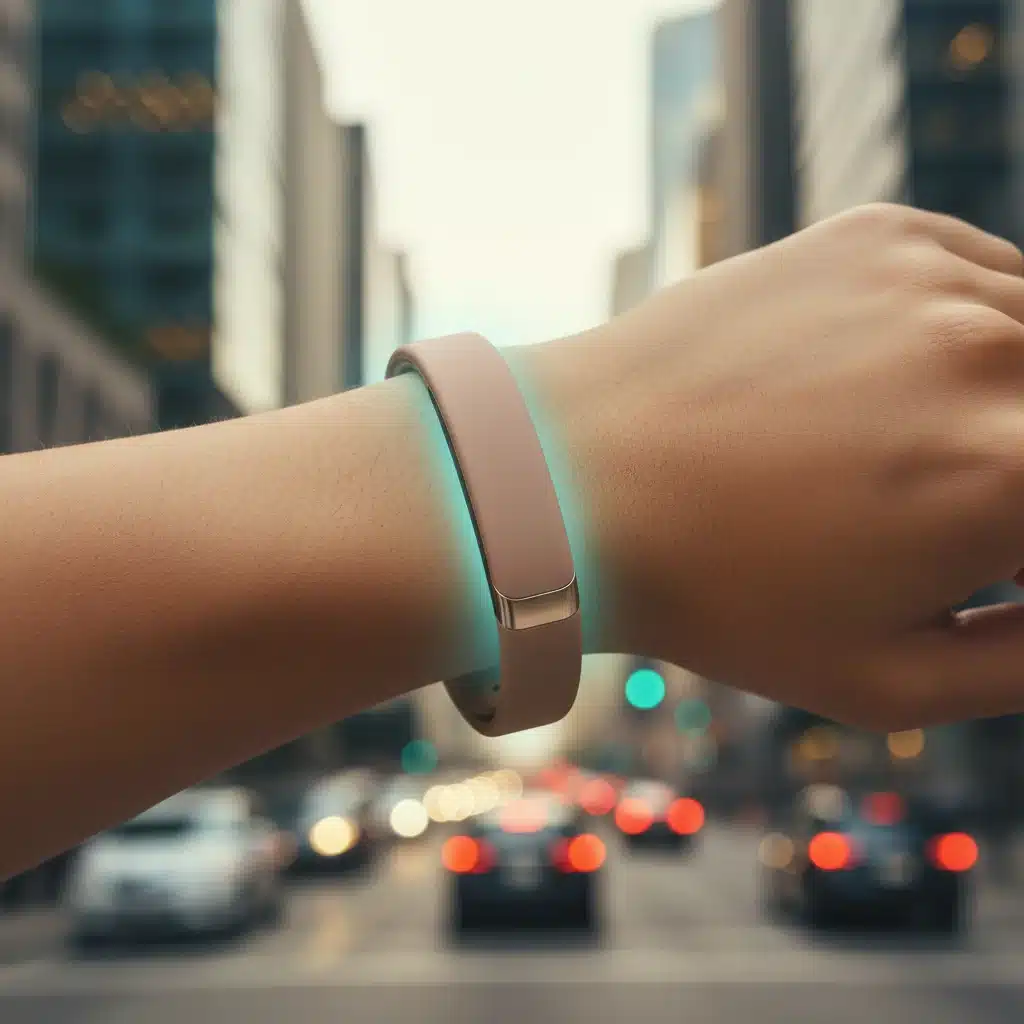
The integration of AI into personal styling signifies a shift from mass-market fashion to hyper-individualized experiences. It empowers consumers with knowledge, convenience, and a personalized touch that was once only available to the elite, solidifying its place as a transformative fashion tech innovation.
Sustainable Wearables: Fashion with a Conscience
As environmental awareness grows, the fashion industry faces increasing pressure to adopt more sustainable practices. By 2026, fashion tech innovations will be instrumental in driving this shift, particularly in the realm of wearable technology. Sustainable wearables are not just about eco-friendly materials; they encompass the entire lifecycle of a garment, from design to disposal, minimizing environmental impact and promoting ethical production.
The Imperative for Sustainable Fashion Tech:
The traditional fashion model, often characterized by fast fashion and linear consumption (take, make, dispose), is environmentally unsustainable. Wearable technology, with its electronic components, adds another layer of complexity to this challenge. However, innovation is paving the way for solutions that make fashion both technologically advanced and environmentally responsible.
Key Sustainable Wearable Innovations for 2026:
- Biodegradable and Recyclable Electronics: One of the biggest challenges in sustainable wearables is the electronic waste generated by discarded devices. By 2026, significant strides will have been made in developing biodegradable and fully recyclable electronic components. This includes flexible circuits made from organic polymers, sensors printed with conductive inks from renewable sources, and batteries that can be safely broken down or efficiently repurposed. Imagine a smart textile whose electronic elements can be composted along with the fabric, or easily separated for recycling into new tech products. This innovation addresses the end-of-life problem for tech-infused garments, ensuring that the benefits of smart clothing don’t come at an undue environmental cost. Research into self-healing materials will also extend the lifespan of wearables, further reducing waste.
- Energy Harvesting and Self-Powered Wearables: The need for constant charging is a barrier to widespread adoption and a drain on energy resources. Sustainable wearables in 2026 will increasingly incorporate energy harvesting technologies. This means garments that can generate their own power from ambient sources like body heat (thermoelectrics), movement (piezoelectrics), or even solar energy (flexible solar cells integrated into fabric). A shirt that charges your phone as you walk, or a jacket that powers its own climate control system simply by being worn, exemplifies this innovation. This not only reduces reliance on external power grids but also enhances the convenience and autonomy of wearable devices, making them truly ‘set and forget’ items. The US market, with its focus on convenience and efficiency, will readily embrace these self-powered solutions.
- Circular Design Principles for Tech-Infused Garments: Beyond just materials, the entire design philosophy of fashion tech will shift towards circularity. This means designing garments with longevity, repairability, and recyclability in mind from the outset. Brands will offer take-back programs for their smart textiles, ensuring that valuable components are recovered and recycled, and raw materials are re-entered into the production loop. Digital product passports, powered by blockchain, will provide transparent information about a garment’s origin, materials, and repair history, empowering consumers to make informed choices and facilitating efficient recycling. This holistic approach to sustainability ensures that fashion tech innovations contribute to a healthier planet, aligning with the growing consumer demand for ethical and environmentally responsible products in the US.
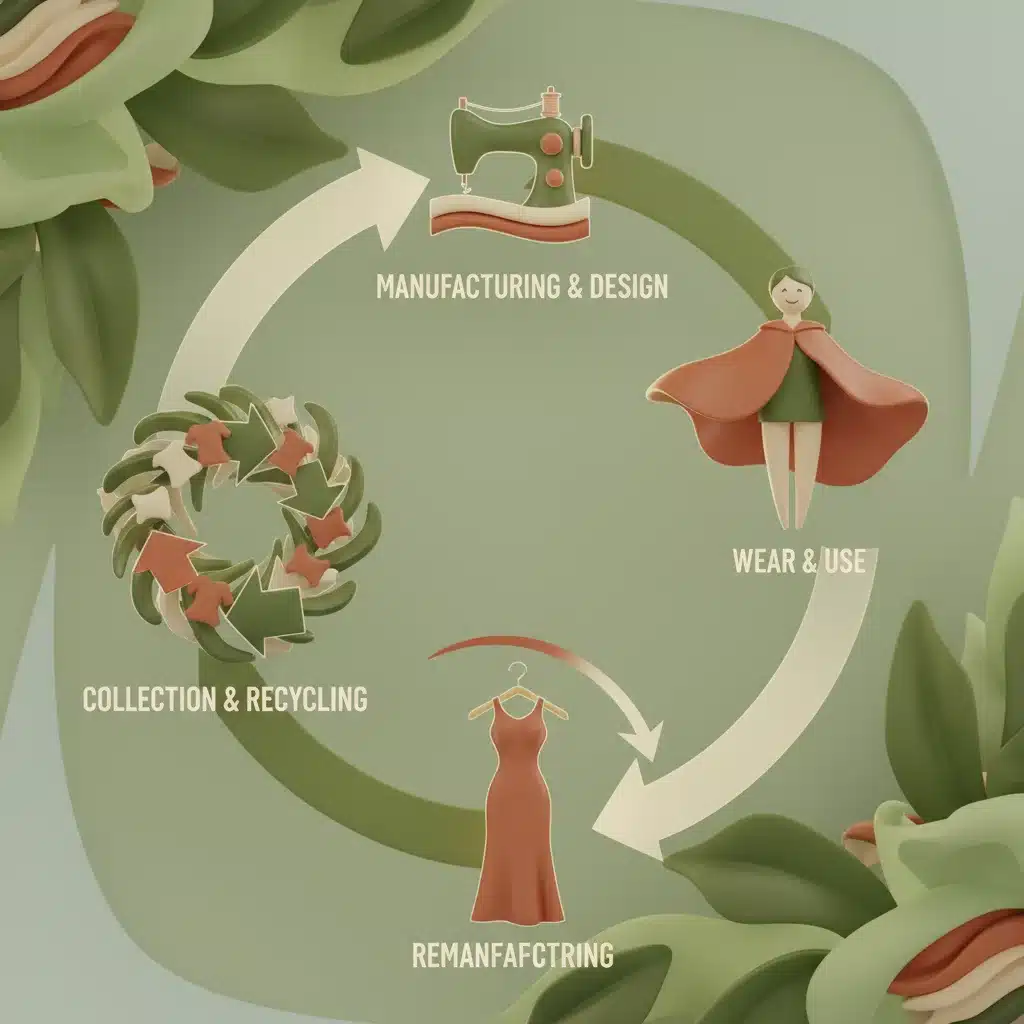
Sustainable wearables represent the conscientious evolution of fashion tech innovations, proving that cutting-edge technology and environmental responsibility can, and must, go hand-in-hand. This will be a defining characteristic of US style in 2026.
Impact on US Style and Consumer Experience
These three categories of fashion tech innovations – smart fabrics, AI-powered personalization, and sustainable wearables – are not isolated trends; they are interconnected forces that will collectively redefine US style and elevate the consumer experience by 2026. The impact will be multifaceted, touching upon convenience, individuality, health, and ethics.
Enhanced Convenience and Comfort:
Imagine a morning routine where your clothing automatically adjusts to the day’s weather forecast, your fitness tracker is seamlessly integrated into your workout gear, and your AI stylist has already curated a perfect outfit for your schedule. This level of convenience, driven by smart fabrics and AI, will free up mental bandwidth and simplify daily decisions. The adaptive nature of smart textiles will also lead to unprecedented levels of comfort, as clothing intelligently responds to the wearer’s physiological needs and external environment, making garments feel like a second skin.
Radical Personalization and Self-Expression:
The era of mass-produced, one-size-fits-all fashion is steadily fading. AI-powered personalization will usher in an age where every consumer can access bespoke styling advice and perfectly fitted garments. Dynamic aesthetic smart fabrics will allow for unprecedented self-expression, enabling individuals to change their style on a whim, making their clothing an extension of their digital identity. This caters perfectly to the diverse and individualistic nature of US style, where uniqueness is highly valued.
Proactive Health and Wellness:
Integrated biometric monitoring in smart fabrics transforms clothing into a proactive health companion. Beyond fitness tracking, these garments will provide continuous, non-invasive health monitoring, offering early detection of potential issues and promoting a more holistic approach to well-being. This aligns with the growing health-conscious trends in the US, empowering individuals to take greater control over their personal health data in a seamless and unobtrusive way.
Ethical Consumption and Brand Loyalty:
The rise of sustainable wearables, bolstered by AI-driven transparency, will empower US consumers to make more ethical and environmentally sound purchasing decisions. Brands that embrace circular design, biodegradable electronics, and energy harvesting will build stronger trust and loyalty with a discerning consumer base. This shift will likely lead to a greater appreciation for quality, longevity, and responsible production, moving away from disposable fashion culture.
The Blurring of Physical and Digital Worlds:
These fashion tech innovations will further blur the lines between our physical and digital lives. Our clothing will become interactive interfaces, our wardrobes will be managed by intelligent algorithms, and our style choices will be influenced by data. This integration will create a more fluid and responsive relationship with our apparel, where fashion is not just something we wear, but something we interact with and that interacts with us.
Challenges and the Road Ahead
While the future of fashion tech innovations in 2026 looks incredibly promising, there are challenges to navigate. Data privacy and security will be paramount, especially with the collection of biometric information. The cost of these advanced technologies will need to become more accessible to ensure widespread adoption. Furthermore, the infrastructure for recycling and managing tech-infused garments will require significant development.
However, the rapid pace of technological advancement and the increasing consumer demand for innovative, personalized, and sustainable products suggest that these hurdles will be overcome. Collaboration between tech companies, fashion designers, material scientists, and policy makers will be key to realizing the full potential of these transformative trends.
Conclusion: A Stylish and Smart Future
By 2026, the US fashion landscape will be irrevocably transformed by the ongoing wave of fashion tech innovations. Smart fabrics will offer unparalleled comfort and functionality, AI will provide hyper-personalized styling and insights, and sustainable wearables will champion ethical and eco-conscious consumption. These advancements are not merely about adding gadgets to our clothes; they represent a fundamental reimagining of what fashion can be – intelligent, intuitive, and intimately connected to our lives and values.
The consumer experience will be richer, more personalized, and more responsible. As these technologies mature and become more integrated into our daily lives, fashion will evolve from a static statement to a dynamic, interactive, and deeply personal extension of ourselves. The future of US style is not just fashionable; it’s smart, sustainable, and utterly revolutionary. Get ready to dress for 2026.