Achieve Radiant Skin: The Ultimate Guide to Skin Brightening Serums
Achieve Radiant Skin: The Ultimate Guide to Skin Brightening Serums
In the quest for flawless, luminous skin, many turn to the transformative power of skin brightening serums. These concentrated elixirs are specifically formulated to target common concerns like hyperpigmentation, dark spots, uneven skin tone, and dullness, revealing a more radiant and even complexion. But with an overwhelming array of products flooding the market, how do you navigate the choices and find the perfect skin brightening serums for your unique needs? This comprehensive guide will delve deep into the world of skin brightening, exploring the science behind these potent formulations, highlighting key ingredients, and offering expert advice to help you achieve the glowing skin you desire.
Our skin is a complex organ, and its appearance can be influenced by a myriad of factors, including sun exposure, environmental pollutants, hormonal changes, and post-inflammatory hyperpigmentation (PIH) from acne or injury. These factors often lead to an overproduction of melanin, the pigment responsible for skin color, resulting in dark spots and an uneven complexion. Skin brightening serums are designed to address these issues by inhibiting melanin production, promoting cell turnover, and providing antioxidant protection, ultimately leading to a brighter, more uniform skin tone.
Understanding the underlying causes of dullness and hyperpigmentation is the first step towards effectively treating them. Sun exposure, for instance, is a primary culprit, stimulating melanocytes to produce more melanin as a protective mechanism. This is why sunscreen is an indispensable partner to any skin brightening regimen. Hormonal fluctuations, such as those experienced during pregnancy or due to certain medications, can also trigger melasma, a form of hyperpigmentation characterized by brown or gray-brown patches on the face. Post-inflammatory hyperpigmentation, on the other hand, occurs when inflammation or injury to the skin leaves behind a dark mark as it heals. Each of these conditions requires a targeted approach, and the right skin brightening serums can make a significant difference.
The beauty industry has seen remarkable advancements in dermatological science, leading to the development of highly effective ingredients that form the backbone of powerful skin brightening serums. From time-tested classics to innovative new compounds, these ingredients work synergistically to deliver impressive results. Choosing a serum with the right combination of these active components is crucial for addressing your specific skin concerns and achieving optimal brightening effects. It’s not just about finding a product that promises brightness; it’s about understanding how it delivers on that promise and if those mechanisms align with your skin’s particular challenges.
The Science Behind Skin Brightening Serums: How They Work
At their core, skin brightening serums function by targeting the various stages of melanin production and distribution within the skin. Melanin is produced by specialized cells called melanocytes, which are located in the basal layer of the epidermis. When these melanocytes are overstimulated, they produce excess melanin, leading to hyperpigmentation. Brightening serums employ several mechanisms to counteract this process:
- Inhibiting Tyrosinase Activity: Tyrosinase is an enzyme essential for melanin synthesis. Many effective brightening ingredients work by inhibiting this enzyme, thereby reducing the amount of melanin produced.
- Blocking Melanin Transfer: Once melanin is produced, it is transferred from melanocytes to keratinocytes, the primary cells of the epidermis. Some ingredients interfere with this transfer, preventing melanin from reaching the surface of the skin.
- Promoting Cell Turnover: Accelerating the natural exfoliation process helps to shed existing pigmented cells, revealing newer, brighter skin underneath. This is often achieved through ingredients like alpha hydroxy acids (AHAs) and retinoids.
- Providing Antioxidant Protection: Oxidative stress from UV radiation and pollution can trigger melanin production. Antioxidants neutralize free radicals, thereby preventing this cascade and protecting skin cells from damage.
- Reducing Inflammation: Inflammation is a key trigger for post-inflammatory hyperpigmentation. Ingredients with anti-inflammatory properties can help prevent and reduce these dark marks.
Understanding these mechanisms empowers you to make informed decisions when selecting skin brightening serums. For instance, if your primary concern is stubborn dark spots from sun damage, you might prioritize serums with strong tyrosinase inhibitors. If you’re dealing with a generally dull complexion and uneven texture, a serum that promotes cell turnover might be more beneficial. The synergy of multiple active ingredients often provides the most comprehensive and effective approach to skin brightening, addressing various aspects of the pigmentation process simultaneously.
Moreover, the formulation of a serum plays a critical role in its efficacy. Serums are typically lightweight and designed to deliver a high concentration of active ingredients deep into the skin. Their molecular structure allows for better penetration compared to heavier creams. This targeted delivery system ensures that the potent brightening agents reach the cells where they can have the most impact. Therefore, investing in a well-formulated skin brightening serum from a reputable brand can yield significantly better results than relying on less concentrated products.
Key Ingredients in Effective Skin Brightening Serums
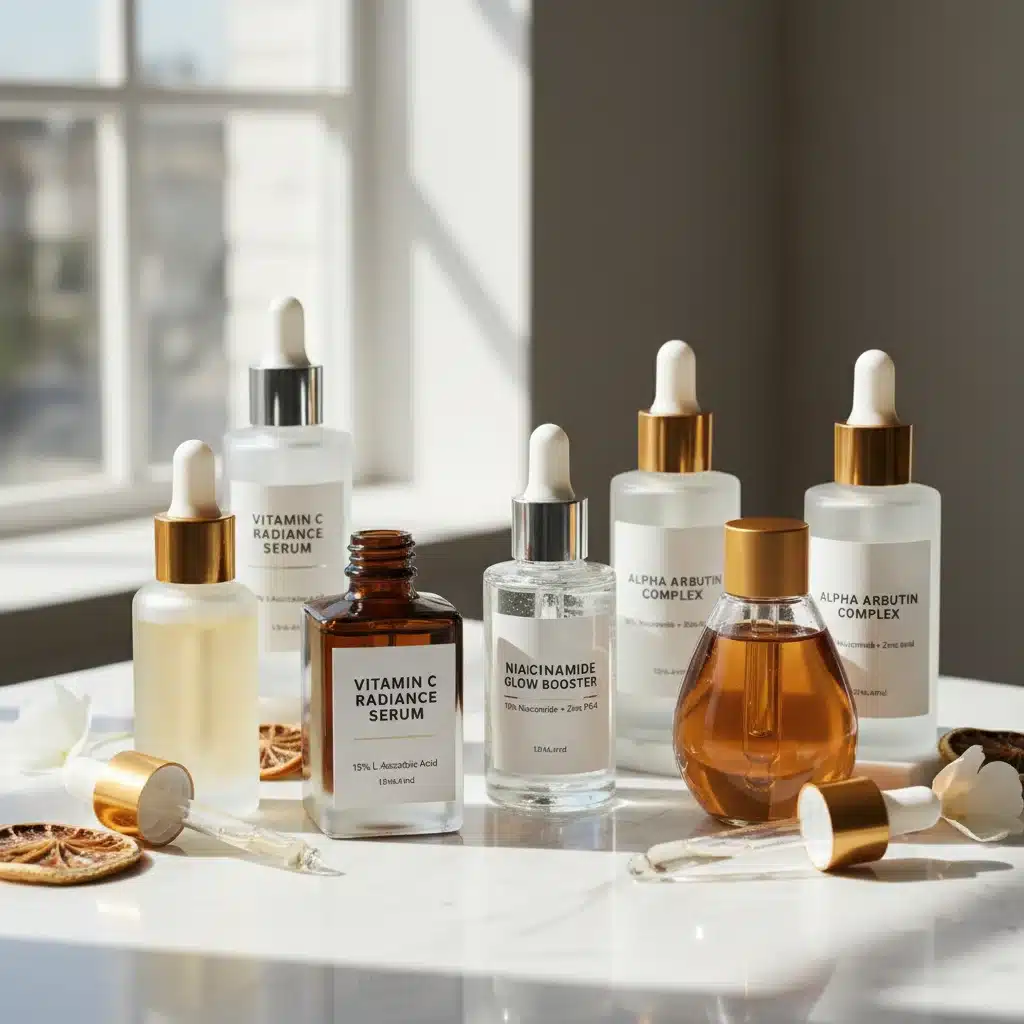
The efficacy of skin brightening serums largely hinges on their active ingredients. Here are some of the most powerful and scientifically backed components to look for:
Vitamin C (Ascorbic Acid and its Derivatives)
Perhaps the most celebrated ingredient in the realm of skin brightening, Vitamin C is a potent antioxidant that offers a multitude of benefits. It inhibits tyrosinase activity, reduces existing melanin, and protects the skin from free radical damage caused by UV exposure and pollution. Vitamin C also plays a crucial role in collagen synthesis, which helps improve skin texture and firmness, further contributing to a radiant appearance. When choosing a Vitamin C serum, look for stable forms like L-Ascorbic Acid, Tetrahexyldecyl Ascorbate, or Magnesium Ascorbyl Phosphate, often found in concentrations ranging from 10% to 20% for optimal results. Its ability to combat hyperpigmentation and boost overall skin luminosity makes it a cornerstone of many effective skin brightening serums.
Niacinamide (Vitamin B3)
Niacinamide is a versatile powerhouse that offers numerous benefits beyond just brightening. It works by inhibiting the transfer of melanin from melanocytes to keratinocytes, effectively preventing dark spots from reaching the skin’s surface. Additionally, Niacinamide strengthens the skin barrier, reduces inflammation, minimizes pore appearance, and regulates sebum production. Its gentle nature makes it suitable for most skin types, including sensitive skin, and it pairs well with other active ingredients. Serums containing 2-10% Niacinamide are highly effective for improving skin tone and reducing redness. This makes it an invaluable component in skin brightening serums, especially for those with sensitive or acne-prone skin who also seek an even complexion.
Alpha Hydroxy Acids (AHAs) – Glycolic Acid, Lactic Acid
AHAs are chemical exfoliants that work by dissolving the bonds between dead skin cells, promoting faster cell turnover. By shedding the top layer of pigmented skin cells, AHAs reveal fresher, brighter skin underneath. Glycolic acid, derived from sugar cane, has the smallest molecular size, allowing it to penetrate deeply and effectively. Lactic acid, derived from milk, is slightly larger and more hydrating, making it a gentler option. When used consistently, AHAs can significantly improve skin texture, reduce the appearance of dark spots, and enhance overall radiance. However, it’s crucial to use AHAs carefully, especially if you have sensitive skin, and always follow up with sunscreen, as they can increase sun sensitivity. Many skin brightening serums incorporate AHAs for their exfoliating benefits, often in lower concentrations for daily use.
Hydroquinone
Hydroquinone is a highly effective, prescription-strength skin lightener that works by inhibiting tyrosinase and damaging melanocytes, thereby reducing melanin production. While incredibly potent for severe hyperpigmentation, its use is often regulated due to potential side effects like irritation, sensitivity, and, in rare cases, paradoxical darkening (ochronosis) with prolonged, unsupervised use. It is typically used for short periods under medical supervision. While some over-the-counter products may contain lower concentrations, stronger formulations are prescription-only. It’s important to consult a dermatologist before incorporating hydroquinone into your routine. For those with severe, persistent dark spots, a dermatologist might recommend skin brightening serums containing hydroquinone as part of a carefully managed treatment plan.
Alpha Arbutin
A derivative of hydroquinone, Alpha Arbutin is a safer and gentler alternative that effectively inhibits tyrosinase activity. It is found naturally in bearberry plants and offers significant brightening effects without the harsh side effects associated with hydroquinone. Alpha Arbutin is well-tolerated by most skin types and is a popular choice for those seeking to reduce hyperpigmentation and achieve a more even skin tone. It’s often included in skin brightening serums for its reliable and gentle action.
Kojic Acid
Derived from fungi, Kojic Acid is another powerful tyrosinase inhibitor. It’s effective in reducing hyperpigmentation, including melasma and sun spots. While effective, some individuals may experience mild irritation or sensitivity, so it’s best to start with lower concentrations and gradually increase use. Kojic acid is a common ingredient in many Asian skincare products renowned for their brightening properties. Its inclusion in skin brightening serums provides another avenue for targeting melanin production.
Licorice Root Extract
This natural extract contains glabridin, a potent tyrosinase inhibitor, and licochalcone A, which has anti-inflammatory properties. Licorice root extract helps to reduce hyperpigmentation, soothe irritated skin, and provide antioxidant benefits. It’s a gentle yet effective ingredient, making it suitable for sensitive skin types seeking brightening effects. Its dual action of inhibiting melanin and calming the skin makes it a valuable addition to skin brightening serums.
Tranexamic Acid
Gaining popularity in recent years, Tranexamic Acid is an amino acid derivative that effectively targets stubborn hyperpigmentation, particularly melasma and post-inflammatory hyperpigmentation. It works by interfering with the interaction between keratinocytes and melanocytes, reducing the inflammatory processes that lead to pigment production. It’s well-tolerated and can be used in conjunction with other brightening ingredients for enhanced results. As research continues to highlight its efficacy, more and more skin brightening serums are incorporating tranexamic acid into their formulations.
Choosing the Right Skin Brightening Serum for Your Skin Type and Concerns
Selecting the ideal skin brightening serums requires a thoughtful consideration of your individual skin type, specific concerns, and sensitivities. What works wonders for one person might not be suitable for another. Here’s a guide to help you make an informed decision:
For Oily and Acne-Prone Skin:
If you have oily or acne-prone skin, you’ll want skin brightening serums that are non-comedogenic and ideally contain ingredients that also help manage oil production and inflammation. Look for serums with Niacinamide, which can regulate sebum and reduce redness, and salicylic acid (a BHA), which exfoliates within the pores. Vitamin C can also be beneficial for fading post-inflammatory hyperpigmentation (PIH). Avoid heavy, occlusive formulations that could exacerbate breakouts. Lightweight, gel-based or water-based serums are generally preferred.
For Dry and Sensitive Skin:
Individuals with dry or sensitive skin should opt for gentler skin brightening serums that prioritize hydration and minimize irritation. Ingredients like Alpha Arbutin, Licorice Root Extract, and lower concentrations of Niacinamide are excellent choices. Lactic acid is a milder AHA that also provides hydration. Avoid high concentrations of Vitamin C, Glycolic Acid, or Retinoids initially, or introduce them slowly. Look for serums that also contain soothing ingredients like hyaluronic acid, ceramides, or panthenol to support the skin barrier. Patch testing new products is especially crucial for sensitive skin types.
For Mature Skin and Anti-Aging Concerns:
If anti-aging is a primary concern alongside brightening, seek out skin brightening serums that offer both benefits. Vitamin C is a stellar choice due to its collagen-boosting and antioxidant properties. Retinoids (retinol, retinaldehyde) are also highly effective, as they accelerate cell turnover, reduce dark spots, and stimulate collagen production, addressing fine lines and wrinkles. Peptides can also contribute to overall skin rejuvenation. These serums often combine multiple active ingredients to tackle a range of concerns, making them comprehensive solutions for mature skin seeking radiance and firmness.
For Stubborn Dark Spots and Melasma:
For more persistent hyperpigmentation like melasma or deep-seated dark spots, you might need more potent formulations. Ingredients like Tranexamic Acid, Alpha Arbutin, and Kojic Acid are particularly effective. In some cases, a dermatologist might recommend a short course of prescription hydroquinone. The key here is consistency and often a multi-pronged approach, combining several complementary ingredients. Layering different skin brightening serums or using a serum with a robust blend of these specialized ingredients can yield the best results for stubborn pigmentation.
Consider the Formulation and pH:
The overall formulation and pH level of a serum can impact its stability and efficacy. For example, L-Ascorbic Acid (pure Vitamin C) is most effective at a low pH (around 3.5), but this can be irritating for some. Other derivatives are more stable at higher pH levels. Researching the specific product’s formulation and reading reviews can provide valuable insights into its suitability for your skin. Always check for packaging that protects light-sensitive ingredients, such as opaque bottles or airless pumps, to maintain potency of your skin brightening serums.
How to Incorporate Skin Brightening Serums into Your Skincare Routine
Proper application and consistent use are paramount to unlocking the full potential of your skin brightening serums. Here’s a step-by-step guide:
- Cleanse: Start with a gentle cleanser to remove makeup, dirt, and impurities. This creates a clean canvas for your serum to penetrate effectively.
- Tone (Optional): If you use a toner, apply it after cleansing. Toners can help balance skin pH and prepare the skin for subsequent products.
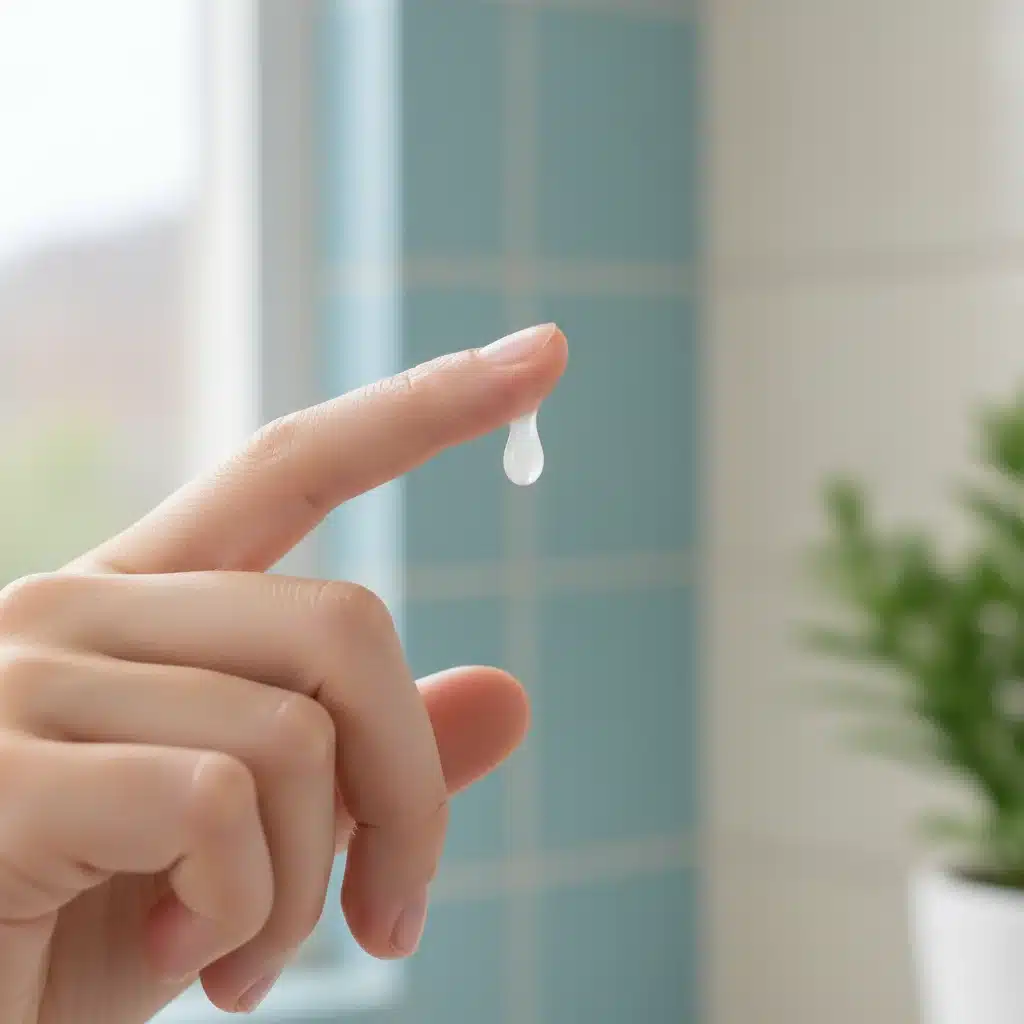
- Apply Serum: Dispense 2-4 drops of your skin brightening serum onto your fingertips and gently pat or press it onto your face, neck, and décolletage. Allow it to fully absorb for a minute or two before moving to the next step. Some serums are best applied in the morning (e.g., Vitamin C for antioxidant protection), while others are better suited for evening use (e.g., retinoids or stronger AHAs for cell turnover).
- Moisturize: Follow with a moisturizer to lock in hydration and create a protective barrier. This also helps to prevent potential irritation from active ingredients.
- Sunscreen (AM Routine): This step is non-negotiable, especially when using skin brightening serums. UV radiation is the primary cause of hyperpigmentation, and many brightening ingredients can increase sun sensitivity. Apply a broad-spectrum sunscreen with an SPF of 30 or higher every morning, even on cloudy days.
Tips for Optimal Results:
- Consistency is Key: Brightening results don’t happen overnight. It typically takes several weeks to months of consistent use to see significant improvements.
- Patch Test: Always perform a patch test on a small, inconspicuous area of your skin (like behind the ear or on the inner forearm) before applying a new serum to your entire face, especially if you have sensitive skin.
- Introduce Gradually: If you’re new to potent active ingredients, start by using the serum every other day or a few times a week, gradually increasing frequency as your skin tolerates it.
- Layering: If using multiple serums, apply them from thinnest to thickest consistency. Generally, skin brightening serums go on after cleansing/toning and before moisturizer.
- Be Patient: Skin cell turnover takes approximately 28 days for adults, so it will take at least one full cycle to begin seeing noticeable changes. More stubborn hyperpigmentation may require longer treatment.
Remember that skincare is a journey, and finding the right routine takes time and experimentation. By understanding the science and ingredients behind skin brightening serums, you can confidently choose products that will help you achieve your goal of a radiant, even-toned complexion.
Common Misconceptions About Skin Brightening Serums
The world of skincare is often rife with misinformation. Let’s debunk some common myths surrounding skin brightening serums to ensure you have realistic expectations and use these products safely and effectively.
Misconception 1: Skin Brightening Means Skin Bleaching
This is a significant misunderstanding. True skin brightening serums aim to even out skin tone, reduce hyperpigmentation, and restore the skin’s natural radiance. They do not bleach or drastically alter your natural skin color. The goal is to diminish dark spots and areas of discoloration, making your complexion appear more uniform and luminous, rather than lightening your inherent skin tone. Products marketed as ‘skin bleaching’ often contain harsh or unregulated ingredients that can be damaging and dangerous. Always prioritize products that focus on improving skin health and evening tone.
Misconception 2: Results Are Instantaneous
As much as we wish for overnight transformations, the reality is that skin brightening takes time and consistency. Melanin production and skin cell turnover are biological processes that cannot be rushed. While some individuals might notice a subtle improvement in radiance within a few weeks, significant reduction in dark spots and a truly even skin tone typically require 2-3 months of consistent use, and sometimes even longer for stubborn pigmentation like melasma. Patience is a virtue when using skin brightening serums.
Misconception 3: You Only Need to Use Them When You Have Dark Spots
While skin brightening serums are excellent for treating existing hyperpigmentation, many also offer preventative benefits. Ingredients like Vitamin C and Niacinamide are powerful antioxidants that protect the skin from environmental damage, which can lead to future dark spots. Incorporating a brightening serum into your routine, even after your initial concerns have faded, can help maintain an even tone and protect against future discoloration. It’s a proactive approach to maintaining a radiant complexion.
Misconception 4: All Brightening Serums Are the Same
As highlighted earlier, the active ingredients, concentrations, and formulations of skin brightening serums vary widely. A serum primarily focused on exfoliation (e.g., high AHA concentration) will work differently than one focused on melanin inhibition (e.g., Alpha Arbutin). Understanding the ingredients and their mechanisms of action is crucial for selecting a serum that targets your specific concerns. What works for sun spots might not be ideal for melasma, and vice-versa. Always read labels and ingredient lists carefully.
Misconception 5: Sunscreen Isn’t Necessary if You’re Using a Brightening Serum
This is a dangerous misconception. Sunscreen is not just necessary; it’s absolutely critical when using skin brightening serums. Many brightening ingredients can increase your skin’s sensitivity to the sun, making it more vulnerable to UV damage. More importantly, sun exposure is the primary trigger for hyperpigmentation. Without consistent and adequate sun protection, any progress you make with your brightening serum will be undone, and you risk creating new dark spots. Consider sunscreen your best friend in any brightening regimen.
Misconception 6: More Active Ingredients Mean Better Results
While some serums combine multiple active ingredients for synergistic effects, simply piling on too many potent actives can lead to irritation, redness, and a compromised skin barrier. This can actually worsen hyperpigmentation (post-inflammatory hyperpigmentation). It’s often better to choose one or two well-formulated skin brightening serums with proven ingredients and use them consistently, rather than overwhelming your skin with a cocktail of strong actives. Less can often be more in skincare.
The Future of Skin Brightening Serums
The field of dermatology and cosmetic science is continuously evolving, and the future of skin brightening serums looks promising. Researchers are constantly discovering new compounds and optimizing delivery systems to enhance efficacy and minimize side effects. We can anticipate more personalized solutions, perhaps even tailored formulations based on genetic predispositions or specific environmental factors. The trend towards sustainable and naturally derived ingredients with potent brightening properties is also on the rise, offering consumers more options that align with eco-conscious values.
Furthermore, the integration of smart technology in skincare, such as devices that enhance serum penetration or provide real-time skin analysis, could revolutionize how we approach skin brightening. Combination therapies, where serums are used in conjunction with in-office treatments like lasers or chemical peels, will likely become even more refined, offering comprehensive solutions for even the most challenging pigmentation issues. The emphasis will continue to be on achieving healthy, radiant skin through safe, scientifically-backed methods, moving further away from harsh, damaging practices.
The ongoing development in understanding the complex pathways of melanin production means that future skin brightening serums will be even more targeted and efficient, offering solutions for a wider range of skin tones and types. This commitment to innovation ensures that the quest for a luminous and even complexion remains at the forefront of skincare research, providing consumers with increasingly sophisticated and effective options.
Conclusion: Embrace Your Brightest Skin with Skin Brightening Serums
Achieving a radiant, even-toned complexion is an attainable goal with the right approach and the power of skin brightening serums. By understanding the science behind hyperpigmentation, identifying key active ingredients, and choosing products tailored to your specific skin concerns, you can embark on a transformative journey towards brighter skin.
Remember that consistency, patience, and diligent sun protection are the pillars of any successful brightening regimen. Whether you’re battling stubborn dark spots, melasma, or simply seeking to enhance your skin’s overall luminosity, there’s a potent serum out there for you. Invest in quality formulations, listen to your skin, and consult with a dermatologist if you have persistent concerns. With the knowledge gained from this guide, you are now equipped to confidently navigate the world of skin brightening serums and unveil your most radiant self.
Embrace the journey to a more luminous complexion, knowing that science and innovation are on your side. The path to brighter, more even skin is within reach, and the right skin brightening serums will be your trusted companions along the way.