Unlock Your Radiance: A 2026 Guide to Vitamin C Serums for Brighter US Skin
Unlock Your Radiance: A 2026 Guide to Vitamin C Serums for Brighter US Skin
In the ever-evolving landscape of skincare, certain ingredients stand the test of time, proving their efficacy and earning their place as true powerhouses. Among these, vitamin C serums reign supreme, especially for those seeking a brighter, more even-toned, and youthful complexion. As we navigate into 2026, the science behind these potent elixirs continues to advance, offering even more sophisticated formulations and impressive results. If you’re in the United States and eager to elevate your skincare routine, understanding how to effectively incorporate vitamin C serums is paramount. This comprehensive guide will delve deep into everything you need to know, from selecting the right product to maximizing its benefits, ensuring your skin radiates health and vitality.
The pursuit of glowing, healthy skin is a universal aspiration, and for good reason. Our skin, the body’s largest organ, is constantly exposed to environmental aggressors like UV radiation, pollution, and stress, all of which contribute to premature aging, dullness, and hyperpigmentation. This is where vitamin C, a powerful antioxidant, steps in as a formidable ally. Its multifaceted benefits make it a cornerstone of any effective skincare regimen, offering protection, repair, and rejuvenation. But with a dizzying array of products on the market, how do you discern the best vitamin C serums for your specific needs? And how do you ensure you’re applying them correctly to unlock their full potential? Fear not, for this guide is designed to demystify the process and empower you to achieve your brightest skin yet.
Understanding the Power of Vitamin C Serums
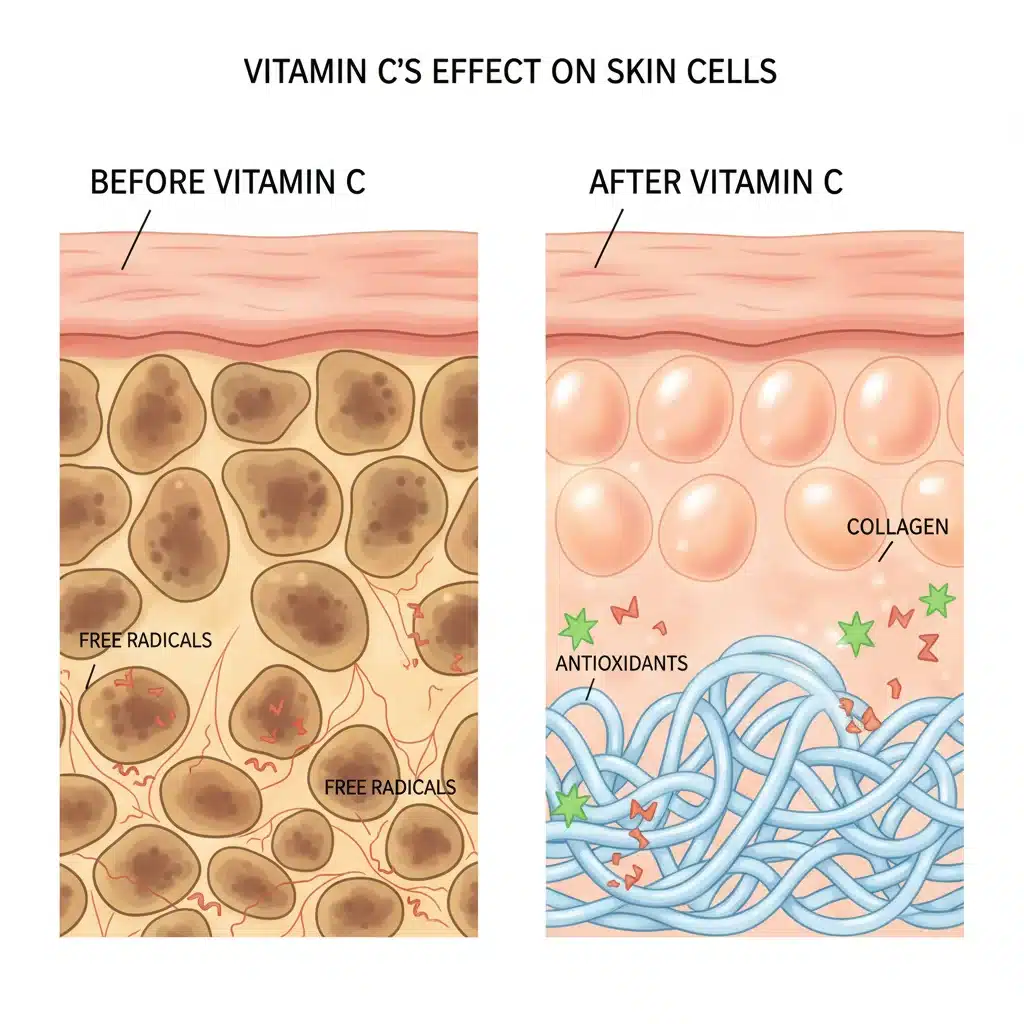
Before we dive into product recommendations and application techniques, it’s crucial to understand why vitamin C serums are so revered in the skincare world. At its core, vitamin C, also known as L-ascorbic acid, is a potent antioxidant. This means it actively neutralizes free radicals, unstable molecules generated by environmental factors that damage skin cells, leading to collagen breakdown, fine lines, and dark spots. But its benefits extend far beyond antioxidant protection.
The Multifaceted Benefits of Vitamin C for Skin
- Brightens Skin Tone: One of the most celebrated benefits of vitamin C is its ability to inhibit melanin production, the pigment responsible for dark spots and hyperpigmentation. Regular use can significantly reduce the appearance of sun spots, age spots, and post-inflammatory hyperpigmentation, leading to a more even and luminous complexion.
- Boosts Collagen Production: Collagen is the structural protein that keeps our skin firm and elastic. As we age, collagen production naturally declines, leading to wrinkles and sagging. Vitamin C is a vital co-factor in collagen synthesis, meaning it helps stimulate the skin’s natural ability to produce more collagen, resulting in plumper, smoother skin.
- Protects Against Environmental Damage: As an antioxidant, vitamin C forms a protective shield against oxidative stress caused by UV radiation and pollution. While it’s not a substitute for sunscreen, it enhances sunscreen’s effectiveness, offering an additional layer of defense against photodamage.
- Reduces Inflammation: Vitamin C possesses anti-inflammatory properties, which can help soothe irritated skin and reduce redness. This makes it beneficial for individuals with sensitive skin or those dealing with conditions like rosacea.
- Improves Skin Hydration: Some forms of vitamin C, particularly magnesium ascorbyl phosphate, have been shown to improve skin hydration by strengthening the skin barrier and reducing transepidermal water loss.
Choosing the Right Vitamin C Serum in 2026: What to Look For
The market for vitamin C serums is saturated, making the selection process daunting. However, armed with the right knowledge, you can make an informed decision that best suits your skin type and concerns. Here’s what to consider in 2026:
1. The Form of Vitamin C
Not all vitamin C is created equal. L-ascorbic acid is the most biologically active and well-researched form, but it’s also the most unstable. For those with sensitive skin or who find L-ascorbic acid irritating, several stable derivatives offer similar benefits with less potential for irritation:
- L-Ascorbic Acid (LAA): The purest and most potent form. Ideal for experienced users and those seeking maximum brightening and anti-aging effects. Requires careful packaging (dark, airtight bottles) to maintain stability.
- Sodium Ascorbyl Phosphate (SAP): A stable, water-soluble derivative that’s gentler on the skin. It’s often recommended for acne-prone skin due to its antimicrobial properties.
- Magnesium Ascorbyl Phosphate (MAP): Another stable, water-soluble derivative known for its hydrating properties and gentleness. Good for sensitive skin.
- Ascorbyl Glucoside: A water-soluble, stable form that converts to L-ascorbic acid upon absorption. Offers good brightening and antioxidant benefits.
- Tetrahexyldecyl Ascorbate (THD Ascorbate): A lipid-soluble (oil-soluble) form that is highly stable and penetrates deeper into the skin. It’s often found in more luxurious formulations and is excellent for sensitive skin.
2. Concentration Matters
The concentration of vitamin C in a serum typically ranges from 5% to 20%. For beginners or those with sensitive skin, starting with a lower concentration (5-10%) is advisable to allow your skin to adjust. As your skin builds tolerance, you can gradually increase to higher concentrations (15-20%) for more pronounced results. Anything above 20% can be irritating and may not offer additional benefits.
3. pH Level
For L-ascorbic acid to be effective, it needs to be formulated at a low pH (typically below 3.5). This allows it to penetrate the skin efficiently. However, a low pH can also be irritating for some. Stable derivatives often have a higher, more skin-friendly pH.
4. Synergistic Ingredients
The best vitamin C serums often combine vitamin C with other powerful antioxidants and skin-benefiting ingredients to enhance stability and efficacy. Look for:
- Vitamin E: Works synergistically with vitamin C to boost antioxidant protection and stabilize vitamin C.
- Ferulic Acid: A plant-based antioxidant that further stabilizes vitamin C and E, and enhances their photoprotective properties.
- Hyaluronic Acid: Provides intense hydration, plumping the skin and improving the serum’s absorption.
- Niacinamide (Vitamin B3): While often debated whether it can be used with L-ascorbic acid (due to potential for creating niacin, which can cause flushing), modern formulations often overcome this. Niacinamide offers additional brightening, anti-inflammatory, and barrier-strengthening benefits. If using L-ascorbic acid, apply niacinamide at a different time of day or ensure a stable formulation.
5. Packaging and Stability
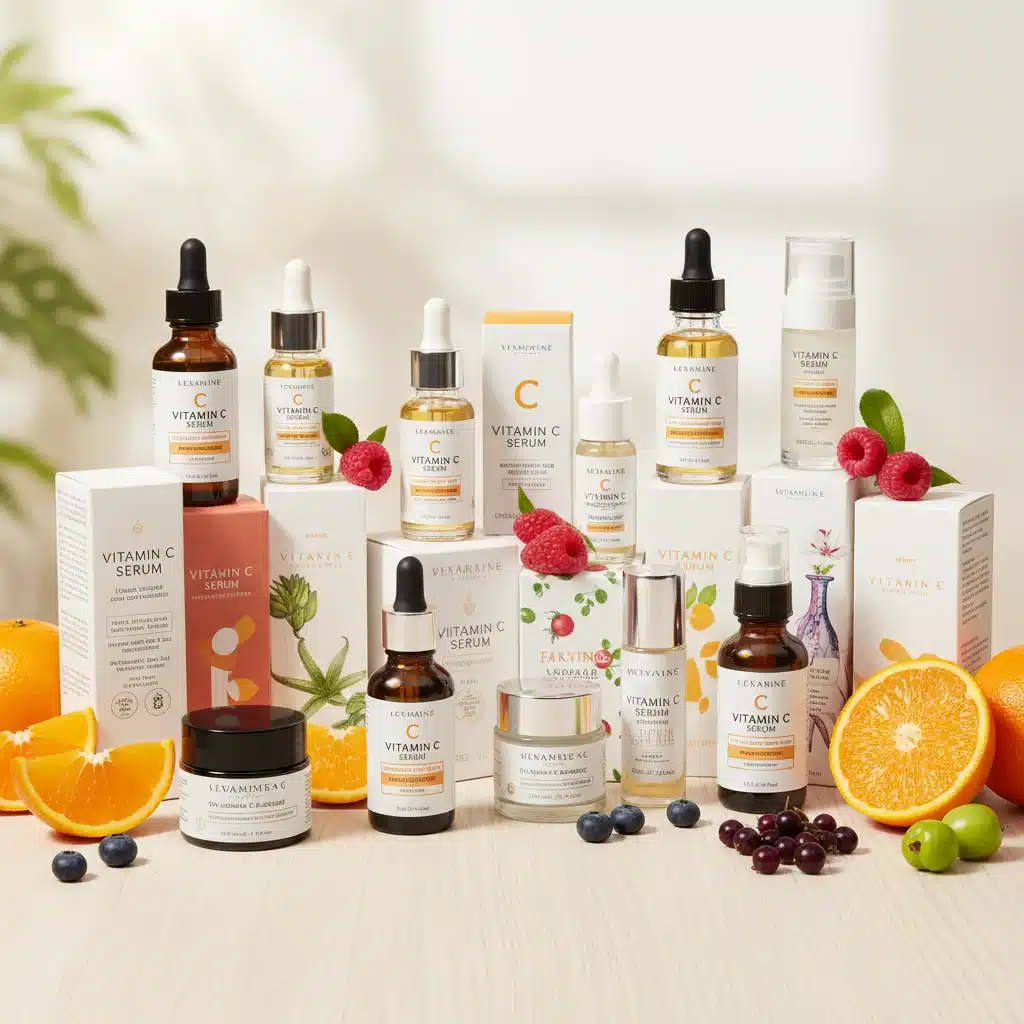
Vitamin C, especially L-ascorbic acid, is notoriously unstable and degrades when exposed to light, air, and heat. Always choose vitamin C serums packaged in dark, opaque, airtight bottles or tubes with a dropper or pump dispenser. Avoid clear bottles, as they expose the serum to light, accelerating oxidation. If your serum turns yellow or brown, it has oxidized and is no longer effective (and might even generate free radicals).
Incorporating Vitamin C Serums into Your 2026 Skincare Routine
Once you’ve selected your ideal vitamin C serum, the next step is to integrate it effectively into your daily skincare routine. Consistency is key to seeing results.
When to Apply Vitamin C Serum
The general consensus among dermatologists is to apply vitamin C serum in the morning. This is because its antioxidant properties provide crucial protection against environmental aggressors you encounter throughout the day, such as UV radiation and pollution. Applying it before your sunscreen can enhance your sun protection.
The Correct Order of Application
- Cleanse: Start with a gentle cleanser to remove impurities, makeup, and excess oil.
- Tone (Optional): If you use a toner, apply it after cleansing to balance your skin’s pH.
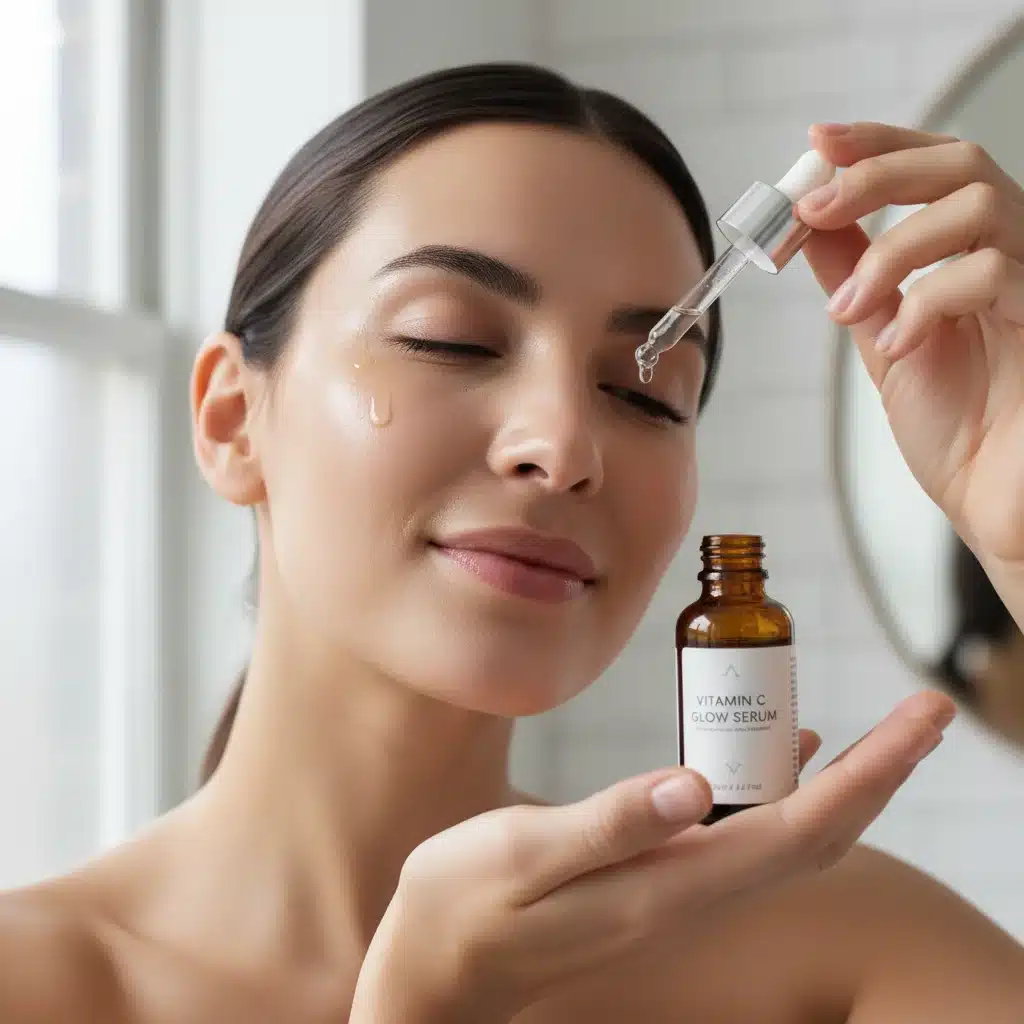
- Vitamin C Serum: Dispense 3-5 drops of your vitamin C serum onto your fingertips and gently press or pat it onto your face, neck, and décolletage. Allow it to absorb fully for a minute or two.
- Other Serums (Optional): If you use other serums (e.g., hyaluronic acid, niacinamide, or peptide serums), apply them after your vitamin C serum.
- Moisturizer: Follow with a hydrating moisturizer to lock in moisture and support your skin barrier.
- Sunscreen: This is a non-negotiable step in your morning routine, especially when using vitamin C. Apply a broad-spectrum sunscreen with an SPF of 30 or higher to protect your skin from UV damage.
Tips for Maximizing Efficacy and Avoiding Irritation
- Patch Test: Always perform a patch test on a small, inconspicuous area of your skin (like behind your ear or on your inner arm) before applying a new serum to your entire face, especially if you have sensitive skin.
- Start Slowly: If you’re new to vitamin C, begin by using it every other day or a few times a week, gradually increasing frequency as your skin adjusts.
- Layering with Other Actives: Be mindful when combining vitamin C with other active ingredients like retinoids or AHAs/BHAs. If using L-ascorbic acid, it’s generally best to use retinoids at night and vitamin C in the morning. If you want to use them in the same routine, apply vitamin C first, wait 15-20 minutes for it to fully absorb and for your skin’s pH to rebalance, then apply your retinoid or acid. Alternatively, use a stable vitamin C derivative with retinoids.
- Storage: Store your vitamin C serum in a cool, dark place, away from direct sunlight and heat, to preserve its potency. Always replace the cap tightly after use.
- Be Patient: Skincare results take time. Consistent use over several weeks to months is necessary to observe significant improvements in skin brightness, texture, and tone.
Common Misconceptions and FAQs About Vitamin C Serums
Despite its popularity, several myths and questions surround the use of vitamin C serums. Let’s address some of the most common ones.
"Can I use vitamin C serum if I have sensitive skin?"
Yes, absolutely! While L-ascorbic acid can sometimes be irritating for sensitive skin, there are many gentle and stable derivatives like Sodium Ascorbyl Phosphate (SAP) or Tetrahexyldecyl Ascorbate (THD Ascorbate) that are well-tolerated. Start with a lower concentration and patch test to ensure compatibility.
"Does vitamin C make my skin more sensitive to the sun?"
No, quite the opposite. Vitamin C is a powerful antioxidant that helps protect your skin from sun damage. However, it does not replace sunscreen. It works synergistically with sunscreen to offer enhanced photoprotection. Always follow your morning vitamin C application with a broad-spectrum SPF 30+ sunscreen.
"How long does it take to see results from vitamin C serums?"
Results vary depending on the individual, the specific product, and consistency of use. Generally, you can expect to see initial improvements in skin brightness and texture within 4-8 weeks. More significant changes, such as a reduction in dark spots and fine lines, may take 3-6 months of consistent application.
"Can I use vitamin C serum every day?"
Most people can safely use vitamin C serum daily, typically in the morning. If you’re new to it or have very sensitive skin, start with every other day and gradually increase frequency as your skin adapts.
"What’s the difference between vitamin C serum and vitamin C oil?"
The primary difference lies in their base. Serums are typically water-based and designed for deeper penetration, often containing higher concentrations of active ingredients. Oils are lipid-based and tend to sit more on the skin’s surface, providing nourishment and barrier support. Some oil-soluble forms of vitamin C (like THD Ascorbate) can be found in oil formulations, offering excellent absorption and stability.
"How do I know if my vitamin C serum has gone bad?"
An oxidized vitamin C serum will typically change color, usually turning yellow, orange, or brown. It might also develop an unusual smell. If you notice these changes, it’s time to discard the product as it has lost its efficacy and may even cause harm by generating free radicals.
Top Vitamin C Serum Recommendations for 2026 (US Market Focus)
While personal preference and skin type play a significant role, certain vitamin C serums have consistently earned high marks for their formulation, efficacy, and stability in the US market. Here are a few categories and examples to consider:
For the L-Ascorbic Acid Enthusiast (Potent & Proven)
- Skinceuticals CE Ferulic: Often considered the gold standard, this serum combines 15% L-ascorbic acid with 1% vitamin E and 0.5% ferulic acid. Its patented formulation offers unparalleled antioxidant protection and collagen-boosting benefits. While pricey, many find it worth the investment.
- Paula’s Choice C15 Super Booster: A more budget-friendly alternative that still packs a punch with 15% L-ascorbic acid, vitamin E, and ferulic acid. It’s known for its effective brightening and anti-aging properties.
For Sensitive Skin (Gentle & Effective Derivatives)
- Mad Hippie Vitamin C Serum: Utilizes Sodium Ascorbyl Phosphate (SAP), a gentler form of vitamin C, along with vitamin E and ferulic acid. It’s an excellent choice for those prone to irritation.
- Drunk Elephant C-Firma Fresh Day Serum: Features L-ascorbic acid but also includes a blend of powerful antioxidants and fruit enzymes. Its unique "fresh-pressed" packaging helps maintain stability until mixed, providing a potent yet potentially less irritating experience for some.
- Obagi Professional-C Serum 10%: Formulated with L-ascorbic acid but at a lower, more tolerable 10% concentration, making it suitable for sensitive skin types seeking the benefits of pure vitamin C.
For Advanced Brightening and Anti-Aging
- Revision Skincare C+ Correcting Complex 30%: This innovative formula uses a proprietary blend of vitamin C and antioxidants to correct and prevent environmental damage, visibly brightening and firming the skin.
- Sunday Riley C.E.O. 15% Vitamin C Brightening Serum: Features THD Ascorbate, a highly stable and oil-soluble form of vitamin C, making it excellent for deeper penetration and those who prefer a richer serum texture.
Budget-Friendly Options
- The Ordinary Ethylated Ascorbic Acid 15% Solution: Offers a stable and potent form of vitamin C that is less irritating than LAA. A great entry point for those exploring vitamin C.
- Timeless 20% Vitamin C + E Ferulic Acid Serum: A popular, effective, and more affordable dupe for high-end options, providing a potent dose of L-ascorbic acid with synergistic antioxidants.
Remember, the "best" serum is ultimately the one that works best for your individual skin and fits your budget. Always read reviews, check ingredient lists, and consider starting with travel sizes if available.
The Future of Vitamin C Serums in 2026 and Beyond
The innovation in vitamin C serums isn’t slowing down. In 2026, we can expect continued advancements in several key areas:
- Enhanced Stability: Researchers are constantly developing new encapsulation technologies and delivery systems to further improve the stability and bioavailability of vitamin C, ensuring maximum potency from the first drop to the last.
- Targeted Formulations: We’ll likely see more specialized vitamin C serums designed to address very specific concerns, such as targeted treatments for stubborn hyperpigmentation, formulations optimized for acne-prone skin, or those specifically designed to work in conjunction with other advanced treatments.
- Sustainable Sourcing and Packaging: As consumer awareness grows, brands will continue to prioritize sustainable and ethically sourced ingredients, along with eco-friendly and recyclable packaging solutions for their vitamin C products.
- Personalized Skincare: The rise of personalized skincare suggests that we might see more customized vitamin C serums tailored to an individual’s unique skin microbiome, genetic predispositions, and environmental exposures, perhaps through at-home testing kits or AI-driven recommendations.
- Combination Therapies: Expect more sophisticated formulations that cleverly combine vitamin C with novel antioxidants, peptides, and growth factors to offer even more comprehensive anti-aging and skin-protective benefits.
These developments promise an even more exciting future for vitamin C in skincare, making it easier than ever for consumers to achieve their skin goals.
Conclusion: Embrace the Radiance of Vitamin C Serums
Incorporating vitamin C serums into your daily skincare routine is one of the most impactful steps you can take towards achieving a brighter, healthier, and more youthful complexion. Its proven benefits, from powerful antioxidant protection to collagen stimulation and skin brightening, make it an indispensable ingredient for anyone serious about skin health.
As we’ve explored, the key to success lies in understanding the different forms of vitamin C, choosing a stable and well-formulated product, and applying it consistently. Remember to prioritize packaging, look for synergistic ingredients, and always follow up with sunscreen. Whether you’re battling dark spots, seeking anti-aging benefits, or simply aiming for an overall glow, the right vitamin C serum can be a game-changer.
By following this 2026 guide, you’re well-equipped to navigate the world of vitamin C serums and unlock their full potential for your skin. Embrace this skincare superstar, and get ready to reveal a truly radiant and revitalized complexion. Your journey to brighter, more resilient skin starts now!