Master Your Wardrobe: 12 Ways to Style One Item for Three Looks in 2026
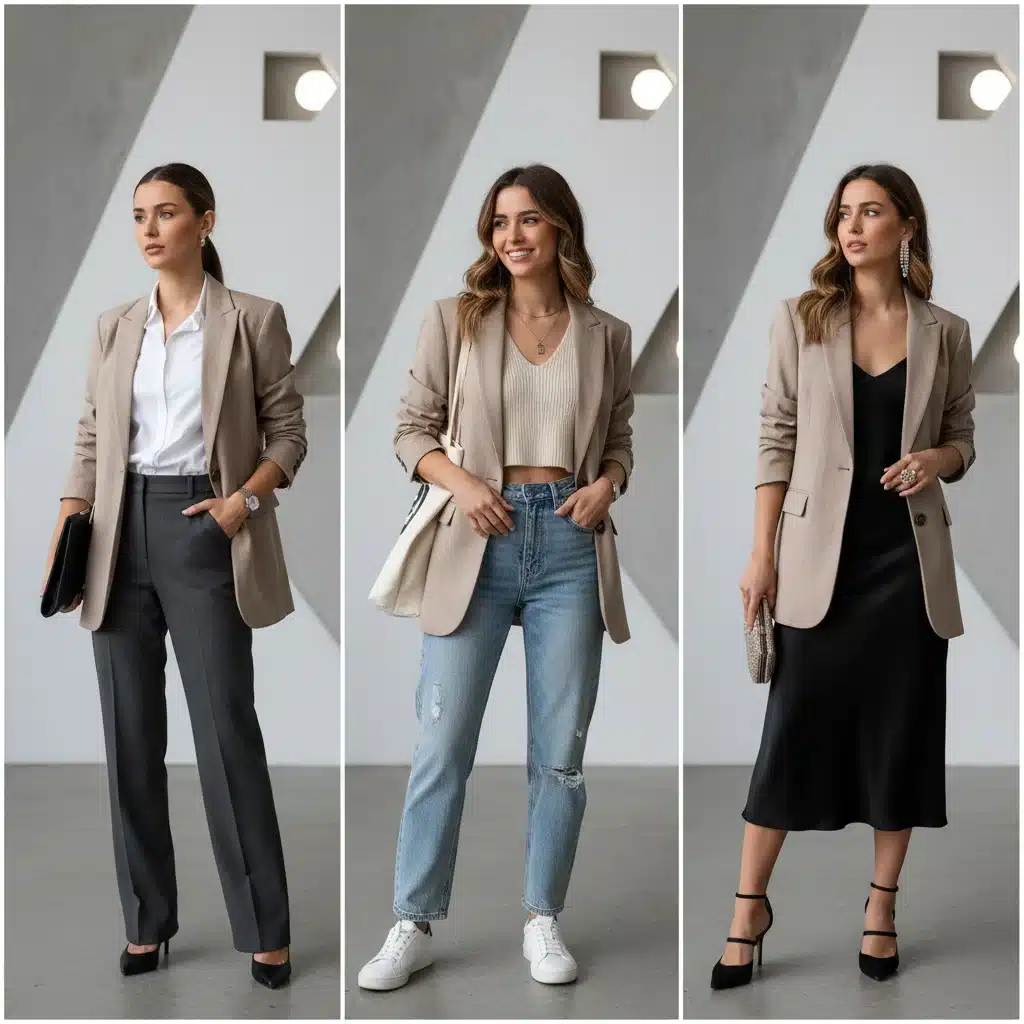
In an age where sustainability and conscious consumption are paramount, the concept of a minimalist yet versatile wardrobe has never been more appealing. We’re moving away from fast fashion’s endless cycle of acquisition and towards a more thoughtful approach to dressing. The key to this shift? Learning how to maximize the potential of each item you own. This isn’t just about saving money or closet space; it’s about cultivating a deeper understanding of your personal style and making smarter, more sustainable choices. This comprehensive guide will show you 12 innovative ways to style a single clothing item for three distinct looks, ensuring you’re ready for any occasion in 2026 and beyond. By mastering these wardrobe styling tips, you’ll transform your closet into a powerhouse of endless outfit possibilities.
The Philosophy of Versatile Wardrobe Styling Tips
Before we dive into the specific techniques, let’s understand the underlying philosophy. Versatile wardrobe styling tips hinge on the idea that clothing items are not one-trick ponies. With a bit of creativity and strategic accessorizing, a single piece can adapt to various settings, moods, and seasons. This approach encourages a “less is more” mindset, promoting quality over quantity and fostering a more sustainable relationship with your clothes. It’s about making your wardrobe work harder for you, reducing decision fatigue, and ultimately, refining your personal aesthetic.
Why Embrace Versatile Styling?
- Sustainability: By extending the life and utility of your clothes, you reduce textile waste and your environmental footprint.
- Cost-Effectiveness: Getting more wear out of each item means less frequent shopping and more savings.
- Space Saving: A highly versatile wardrobe means fewer items taking up valuable closet space.
- Personal Style Development: Experimenting with different looks helps you discover new facets of your style and build confidence.
- Convenience: Quickly assembling outfits for various occasions simplifies your daily routine.
The Core Principle: Choose Your Hero Item Wisely
The success of these wardrobe styling tips begins with selecting the right “hero” item. A hero item is a piece of clothing that is well-made, fits well, and has a classic, adaptable design. Neutral colors (black, white, grey, navy, beige) are often the easiest to style in multiple ways, but a well-chosen pattern or a pop of color can also work if it aligns with your personal style and the rest of your wardrobe. Think about items that can be dressed up or down, layered, or worn in different configurations. Examples include a classic blazer, a simple slip dress, a white button-down shirt, dark wash jeans, or a versatile midi skirt.
12 Ways to Style a Single Item for 3 Different Looks
Let’s dive into the practical application of these wardrobe styling tips. We’ll explore different techniques you can apply to almost any hero item to create three distinct looks: a professional/formal look, a casual/daytime look, and an evening/dressy look.
Technique 1: The Power of Layering
Layering is perhaps the most fundamental and effective styling technique. It allows you to completely transform an outfit by adding or subtracting pieces.
Example: The Classic White Button-Down Shirt
- Professional Look: Wear the shirt tucked into tailored trousers or a pencil skirt, layered under a structured blazer. Add classic pumps and a minimalist watch.
- Casual Look: Unbutton the shirt and wear it open over a fitted tank top or graphic tee, paired with high-waisted jeans and sneakers. Roll up the sleeves for a relaxed vibe.
- Evening Look: Wear the shirt partially unbuttoned, tied at the waist over a sleek slip dress or a high-waisted satin skirt. Add delicate jewelry and heeled sandals.
Technique 2: Strategic Accessorizing
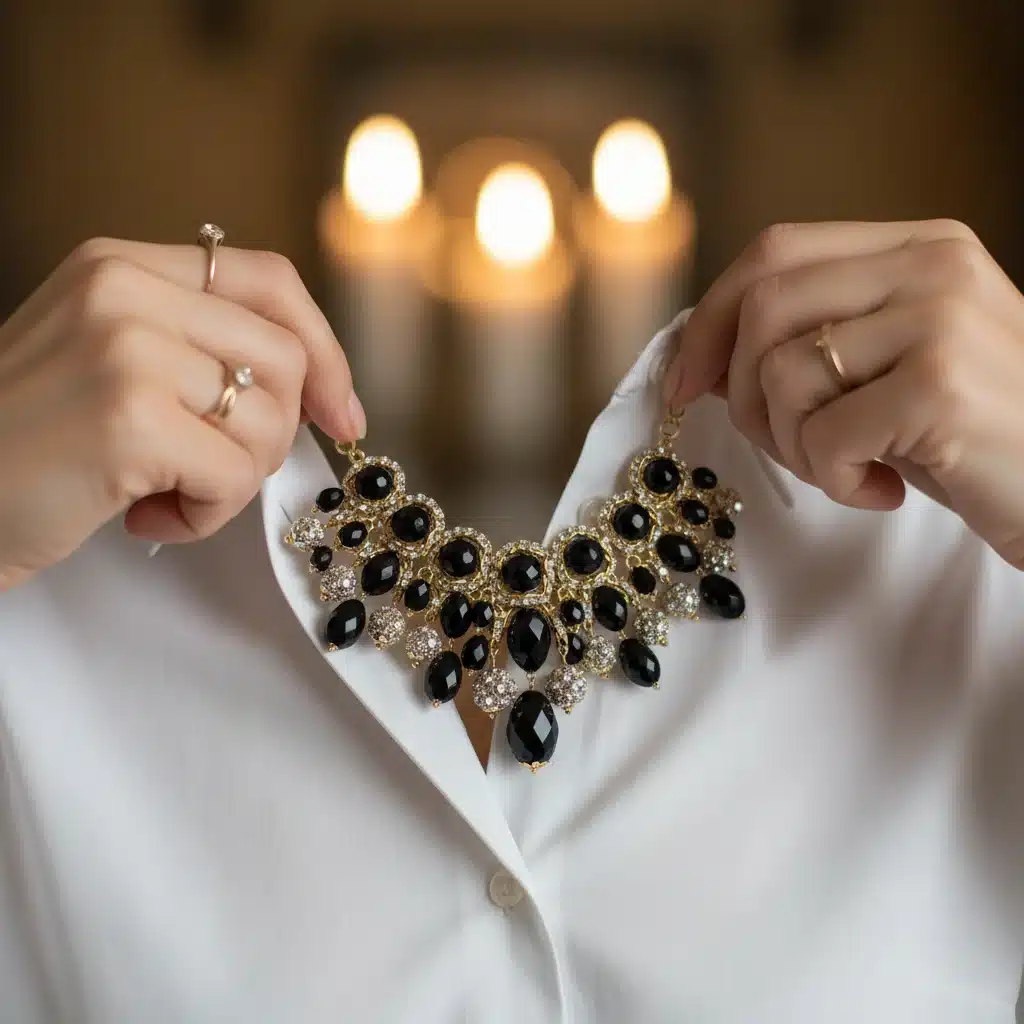
Accessories are game-changers. They can elevate, casualize, or completely redefine an outfit without changing the core garment.
Example: A Simple Black Jumpsuit
- Professional Look: Cinch the waist with a sophisticated belt, add a statement necklace, and pair with closed-toe heels and a structured handbag.
- Casual Look: Wear it with white sneakers, a denim jacket tied around the waist, and a canvas tote bag. Add a baseball cap for an extra casual touch.
- Evening Look: Opt for strappy heels, a clutch bag, and bold earrings. A silk scarf tied around the neck or in the hair can add an elegant touch.
Technique 3: Footwear Swaps
The shoes you choose can dramatically alter the perception of an outfit. This is one of the easiest wardrobe styling tips to implement.
Example: A Midi Skirt (Pleated or A-Line)
- Professional Look: Pair with pointed-toe heels or elegant ankle boots and a tucked-in blouse.
- Casual Look: Combine with chunky sneakers or flat sandals and a graphic tee or a relaxed knit sweater.
- Evening Look: Go for delicate strappy heels, an embellished flat, or knee-high boots, along with a silky camisole or a fitted top.
Technique 4: Hair and Makeup Transformation
While not strictly clothing, changes in hair and makeup can significantly impact the overall look and feel of an outfit.
Example: A Classic Little Black Dress (LBD)
- Professional Look: Keep hair sleek (e.g., a low bun or polished ponytail), and makeup natural with a subtle lip.
- Casual Look: Opt for loose waves or a messy bun, minimal makeup, and perhaps a tinted lip balm.
- Evening Look: Go for a glamorous updo or sleek, straightened hair, paired with a smoky eye or a bold red lip.
Technique 5: Belt It Up (or Down)
Belts are incredibly versatile for defining silhouettes and adding a stylish element.
Example: A Loose-Fitting Dress (e.g., a Shirt Dress or T-Shirt Dress)
- Professional Look: Cinch the waist with a structured leather belt to create a more defined silhouette, worn with smart flats or low heels.
- Casual Look: Use a woven or canvas belt to add a relaxed touch, or skip the belt entirely for a breezy feel, paired with sandals or sneakers.
- Evening Look: Add a thin, embellished belt or a chain belt to highlight the waist, paired with dressy heels and statement jewelry.
Technique 6: Play with Textures
Mixing and matching different textures can add depth and interest to an otherwise simple outfit.
Example: Dark Wash Skinny Jeans
- Professional Look: Pair with a silk blouse, a tweed blazer, and leather loafers or ankle boots.
- Casual Look: Combine with a chunky knit sweater or a soft cotton tee, and canvas sneakers.
- Evening Look: Wear with a velvet top, a sequined camisole, or a lace blouse, and high heels.
Technique 7: The Power of Outerwear
A change of jacket or coat can drastically alter the vibe of an ensemble.
Example: A Simple Knit Dress
- Professional Look: Layer with a tailored trench coat or a longline blazer, and wear with sleek boots or pumps.
- Casual Look: Throw on a denim jacket or a utility jacket, paired with sneakers or flat boots.
- Evening Look: Drape a faux fur stole or a luxurious silk kimono over it, paired with elegant heels.
Technique 8: Tucking and Untucking
How you wear your tops — tucked in, untucked, or French-tucked — can change the formality and silhouette.
Example: A Basic Long-Sleeve Top
- Professional Look: Fully tuck into high-waisted trousers or a tailored skirt, adding a belt.
- Casual Look: Leave untucked over jeans or leggings, or do a “French tuck” (front tucked, back out) for a relaxed yet polished feel.
- Evening Look: Tuck into a high-waisted metallic or sequined skirt, creating a more defined waistline.
Technique 9: Reimagining with Scarves
Scarves are one of the most versatile accessories and offer numerous wardrobe styling tips.
Example: A Plain T-Shirt
- Professional Look: Tie a silk scarf neatly around your neck like an ascot, or use it as a belt over tailored pants.
- Casual Look: Tie a bandana-style scarf around your neck, wrist, or in your hair.
- Evening Look: Use a larger, luxurious scarf as a shawl draped over your shoulders, or tie it to your handbag for a chic accent.
Technique 10: Color Palette Shifts
While the hero item remains the same, the colors of the accompanying pieces can shift the overall mood.
Example: A Neutral-Colored Tank Top (e.g., Beige or Grey)
- Professional Look: Pair with a monochrome palette — black trousers, a matching blazer, and nude heels.
- Casual Look: Combine with bright, playful colors — patterned shorts, colorful sneakers, and a vibrant cardigan.
- Evening Look: Pair with dark, rich tones — a black satin skirt, a deep jewel-toned cardigan, and metallic accessories.
Technique 11: The Fabric Mix
Combining different fabrics adds texture and visual interest, allowing for diverse looks.
Example: A Denim Skirt
- Professional Look: Pair with a crisp cotton button-down shirt, a structured wool blazer, and leather loafers.
- Casual Look: Combine with a chunky knit sweater or a soft cotton tee, and canvas sneakers.
- Evening Look: Wear with a silky camisole, a velvet top, or a lace blouse, and add a faux leather jacket and heeled boots.
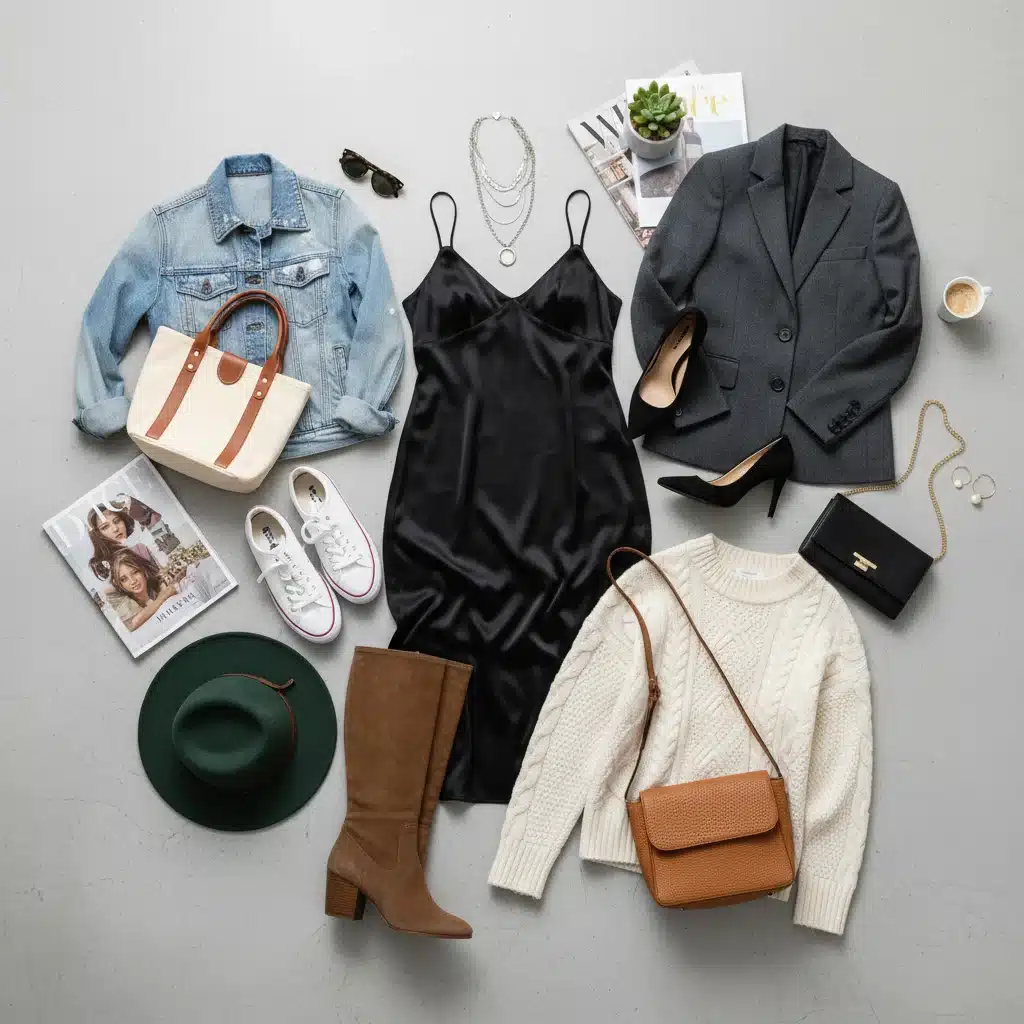
Technique 12: Dress Down (or Up) with Bottoms
The type of bottoms you choose to pair with a top can dramatically impact the formality.
Example: A Fitted Crew-Neck Sweater
- Professional Look: Pair with tailored wide-leg trousers or a sophisticated midi skirt, and block heels or pumps.
- Casual Look: Combine with comfortable jeans (straight-leg or mom jeans), leggings, or cargo pants, and sneakers or flat boots.
- Evening Look: Wear with faux leather pants, a sequined skirt, or a satin midi skirt, and heeled boots or stilettos.
Putting These Wardrobe Styling Tips into Practice: A Step-by-Step Guide
Now that you have a wealth of wardrobe styling tips, let’s outline a process for applying them to your own closet.
Step 1: Inventory Your Wardrobe
Go through your closet and identify your “hero” items — those versatile pieces that form the backbone of your style. Look for classic cuts, neutral colors, and good quality fabrics. Don’t forget about your accessories, shoes, and outerwear — these are your secret weapons.
Step 2: Define Your Three Looks
For each hero item, brainstorm three distinct scenarios where you’d want to wear it. Common categories are: “Work/Formal,” “Weekend/Casual,” and “Evening/Special Occasion.” However, you can tailor these to your lifestyle (e.g., “Travel,” “Active,” “Date Night”).
Step 3: Experiment and Mix-and-Match
This is where the fun begins! Start pulling out items from your wardrobe and try different combinations. Use the 12 techniques above as a checklist:
- Can I layer this differently?
- What accessories would change the vibe?
- Which shoes would transform this outfit?
- How would different hair/makeup affect the look?
- Can a belt create a new silhouette?
- What textures can I introduce?
- Which outerwear piece works best?
- Should I tuck or untuck?
- How can a scarf be used creatively?
- What color palette enhances this look?
- Can I mix different fabrics?
- What bottoms would create a new look?
Step 4: Document Your Outfits
Take photos of your successful outfits! This creates a visual library that makes getting dressed much easier. You can use a dedicated app or simply a folder on your phone. This visual record is invaluable for remembering your best wardrobe styling tips and combinations.
Step 5: Identify Gaps, Not Just Clothes
As you experiment, you might notice you’re missing a key accessory or a versatile layering piece. Instead of buying more clothes, focus on filling these strategic gaps. Perhaps you need a versatile belt, a pair of classic pumps, or a well-fitting blazer to unlock dozens of new outfits.
Step 6: Seasonal Adaptation
Remember that these wardrobe styling tips are adaptable to different seasons. A summer dress can become a fall outfit with the addition of tights, boots, and a cardigan. A winter sweater can be worn with lighter bottoms in spring. Think about how to extend the life of your garments year-round.
Common Mistakes to Avoid
- Over-Complicating: Sometimes the simplest changes have the biggest impact. Don’t feel pressured to use every technique at once.
- Ignoring Fit: Even the most versatile item won’t look good if it doesn’t fit well. Invest in tailoring if needed.
- Sticking to Your Comfort Zone: Challenge yourself to try new combinations. You might discover a new favorite look.
- Forgetting About Maintenance: Well-maintained clothes (clean, pressed, repaired) always look better and last longer, making styling easier.
- Buying for a Single Occasion: Before purchasing, ask yourself: “Can I wear this in at least three different ways?” This helps ensure versatility.
The Future of Fashion: Mindful Wardrobes in 2026
As we look towards 2026, the trend towards mindful consumption and sustainable living will only intensify. Embracing these wardrobe styling tips is not just about fashion; it’s about a lifestyle choice that values quality, creativity, and responsibility. By learning to style one item in multiple ways, you’re not just building a better wardrobe; you’re building a more conscious approach to life.
Imagine the freedom of a closet where every piece serves multiple purposes, where getting dressed is an act of creative expression rather than a chore. This is the promise of versatile styling. It empowers you to curate a wardrobe that truly reflects who you are, without the constant need for new purchases. It’s about finding joy and innovation in what you already own.
Conclusion: Your Stylish and Sustainable Wardrobe Awaits
Mastering the art of styling a single item for three different looks is a skill that will serve you well for years to come. By applying these 12 comprehensive wardrobe styling tips, you’ll not only unlock the full potential of your existing clothes but also cultivate a more sustainable, cost-effective, and deeply personal approach to fashion. In 2026, let your wardrobe be a testament to creativity, versatility, and thoughtful consumption. Start experimenting today, and watch as your style evolves into something truly extraordinary.