The 2026 Guide to Sustainable Fashion: 7 Eco-Friendly Style Swaps for Your Wardrobe
Anúncios
The fashion industry, for centuries, has been a vibrant tapestry of creativity, self-expression, and innovation. From haute couture runways to fast-fashion retailers, clothing has always played a pivotal role in human culture. However, beneath the glamorous surface lies a stark reality: the environmental and social costs of conventional fashion are immense. The relentless pursuit of new trends, coupled with rapid production cycles, has led to significant resource depletion, pollution, and unethical labor practices. As we navigate through the mid-2020s, the urgency to address these issues has never been clearer. Consumers are becoming increasingly aware of their purchasing power and the impact it has on the planet and its people. This growing consciousness is driving a monumental shift towards sustainable fashion, transforming it from a niche concept into a mainstream imperative.
Anúncios
In 2026, sustainable fashion is no longer just a buzzword; it’s a movement, a philosophy, and a practical approach to dressing that respects both the environment and human dignity. It encompasses a wide range of practices, from utilizing eco-friendly materials and ethical production methods to promoting circularity through recycling and upcycling. The goal is simple yet profound: to create a fashion ecosystem that is regenerative, fair, and resilient. This comprehensive guide will equip you with the knowledge and actionable steps to integrate sustainable fashion swaps into your wardrobe. We’ll explore seven key areas where you can make impactful changes, demonstrating that being stylish and environmentally responsible are not mutually exclusive. By embracing these eco-friendly style swaps, you’ll not only enhance your personal aesthetic but also contribute to a healthier planet and a more equitable society. Let’s embark on this journey together and redefine what it means to be fashionable in 2026.
Understanding the Urgency: Why Sustainable Fashion Matters in 2026
Before diving into specific sustainable fashion swaps, it’s crucial to grasp the gravity of the situation. The fashion industry is one of the largest polluters globally. From vast water consumption for cotton cultivation to the release of microplastics from synthetic fabrics into our oceans, its environmental footprint is staggering. Chemical dyes contaminate waterways, textile waste fills landfills at an alarming rate, and the carbon emissions from manufacturing and transportation contribute significantly to climate change. Beyond environmental concerns, the human cost is equally devastating. Exploitative labor practices, low wages, and unsafe working conditions are unfortunately still prevalent in many parts of the global supply chain, particularly in fast fashion. This ethical dilemma underscores the importance of conscious consumerism.
Anúncios
By 2026, consumers are more informed than ever. Social media and documentaries have shed light on the dark side of fashion, prompting a demand for transparency and accountability. Brands are now under immense pressure to adopt more sustainable practices, not just for ethical reasons but also for their long-term viability and brand reputation. Governments and international organizations are also beginning to implement stricter regulations on environmental impact and labor standards. This evolving landscape means that our choices as consumers have a magnified effect. Every purchase is a vote for the kind of industry we want to support. Opting for sustainable fashion means supporting brands that prioritize ecological integrity, fair labor, and innovative solutions, paving the way for a regenerative future where style and sustainability coexist harmoniously. Embracing sustainable fashion swaps is not just a trend; it’s a necessary evolution for our planet and its people.
The Core Principles of Sustainable Fashion
To truly embrace sustainable fashion, it helps to understand its foundational principles. These principles guide both brands and consumers toward more responsible choices. Firstly, environmental stewardship is paramount. This involves minimizing pollution, conserving natural resources, reducing waste, and mitigating climate change impacts. It pushes for the use of organic, recycled, or innovative low-impact materials, and processes that require less water and energy.
Secondly, social justice and ethical labor are non-negotiable. Sustainable fashion advocates for fair wages, safe working conditions, and respect for human rights across the entire supply chain, from farmers to factory workers. Transparency in sourcing and production is key to ensuring these standards are met.
Thirdly, circularity and longevity are central. Instead of a linear ‘take-make-dispose’ model, sustainable fashion aims for a circular economy where products are designed for durability, repair, reuse, and ultimately, recycling. This minimizes waste and keeps materials in use for as long as possible. Longevity also encourages consumers to invest in high-quality, timeless pieces that will last, reducing the need for constant replacements.
Finally, consumer education and empowerment are vital. Sustainable fashion encourages consumers to be informed, ask questions, and make conscious choices. It’s about shifting mindsets from quantity to quality, from fleeting trends to enduring style. By understanding these principles, you can make more informed sustainable fashion swaps and contribute meaningfully to a better industry. These principles serve as a compass, guiding us towards a fashion future that is both beautiful and responsible.
7 Eco-Friendly Style Swaps for Your Wardrobe in 2026
Making sustainable fashion swaps doesn’t mean sacrificing your personal style or breaking the bank. It’s about making conscious choices that align with your values. Here are seven actionable eco-friendly style swaps you can implement in 2026 to transform your wardrobe into a beacon of sustainability.
1. Swap Fast Fashion for Quality, Timeless Pieces
The most impactful sustainable fashion swap you can make is to drastically reduce or eliminate your reliance on fast fashion. Fast fashion’s business model thrives on cheap, trend-driven clothing produced quickly and disposed of even faster. This cycle fuels overconsumption and massive waste. Instead, invest in high-quality, timeless pieces that are well-made and designed to last. Think classic silhouettes, durable fabrics, and versatile items that can be mixed and matched for various occasions. While the initial cost might be higher, the cost-per-wear will be significantly lower, and you’ll reduce your environmental footprint by buying less often. Look for brands that offer extended warranties or repair services, a sign of their commitment to longevity. This fundamental shift in purchasing habits is the cornerstone of any sustainable fashion journey. Focus on building a foundational wardrobe of pieces you genuinely love and that will stand the test of time, both in terms of quality and style. This approach to sustainable fashion swaps reduces waste and promotes mindful consumption.
2. Choose Organic and Recycled Materials Over Conventional Synthetics
The fabrics your clothes are made from have a profound environmental impact. Conventional cotton farming is notoriously water-intensive and relies heavily on pesticides. Synthetic materials like polyester, nylon, and acrylic are derived from fossil fuels and shed microplastics with every wash, polluting our oceans and entering the food chain. The sustainable fashion swap here is to prioritize organic and recycled materials.
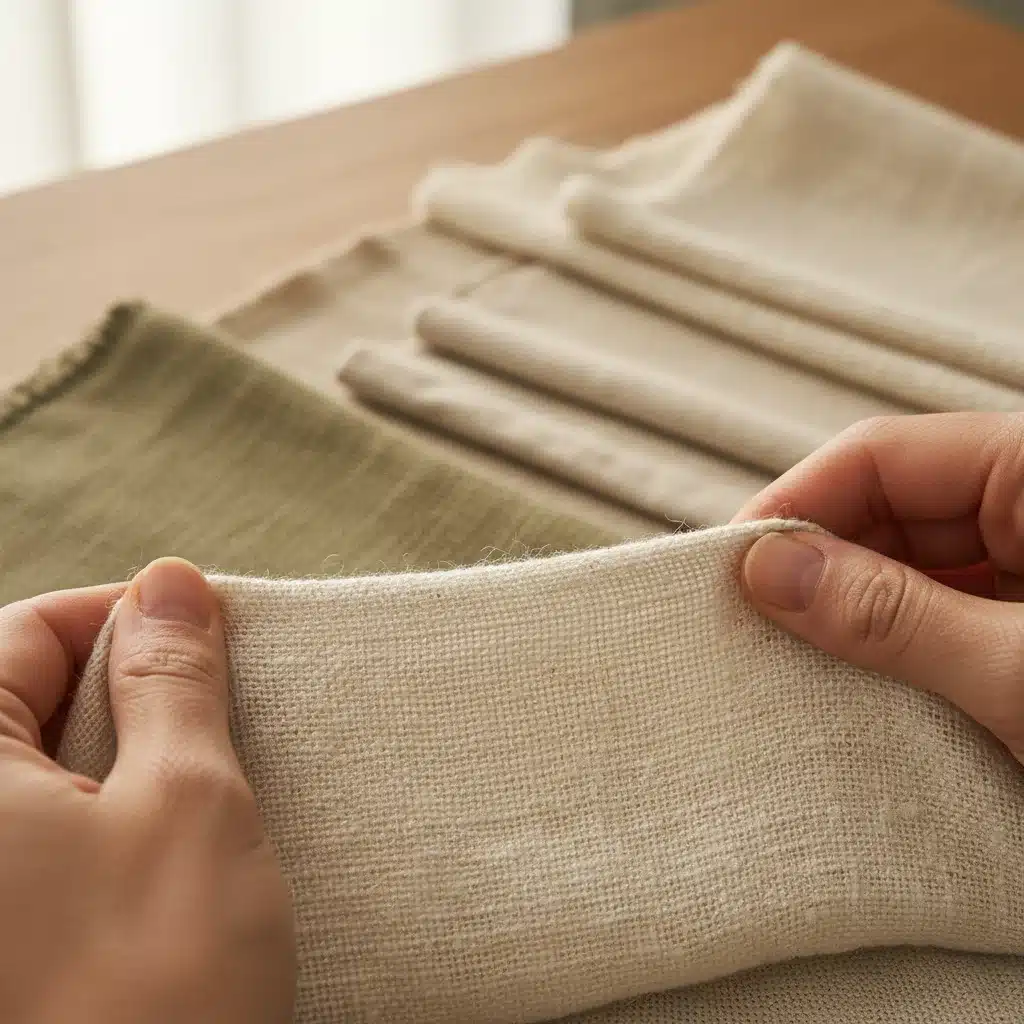
Organic cotton is grown without harmful chemicals, using less water and promoting healthier soil. Hemp and linen are other excellent natural alternatives, known for their durability, breathability, and minimal environmental impact. For synthetics, look for garments made from recycled polyester (rPET), which repurposes plastic bottles, or innovative materials like Tencel (lyocell), derived from sustainably sourced wood pulp through a closed-loop process. These choices significantly reduce the demand for virgin resources and minimize pollution. Always check labels and research brands to ensure their material claims are legitimate. Making these material-focused sustainable fashion swaps is a powerful way to reduce your wardrobe’s ecological footprint.
3. Embrace Secondhand and Vintage Shopping
One of the most effective sustainable fashion swaps is to embrace the circular economy through secondhand and vintage shopping. Buying pre-owned clothing extends the life cycle of garments, diverting them from landfills and reducing the demand for new production. This practice significantly lowers your carbon footprint, saves water, and reduces chemical pollution associated with manufacturing. The thrill of finding unique, one-of-a-kind pieces that tell a story is an added bonus.
Explore local thrift stores, consignment shops, vintage boutiques, and online platforms dedicated to secondhand fashion. Many of these platforms offer curated selections, making it easier to find exactly what you’re looking for. Don’t be afraid to get creative; a slightly worn item can often be transformed with a little care or minor alteration. Secondhand shopping is not just about saving money; it’s about giving clothes a second life, reducing waste, and developing a truly individual style that stands apart from mass-produced trends. This sustainable fashion swap is both environmentally conscious and incredibly stylish.
4. Support Brands with Transparent and Ethical Supply Chains
A crucial sustainable fashion swap involves shifting your purchasing power to brands that demonstrate transparency and ethical practices throughout their supply chain. This means choosing companies that are open about where and how their clothes are made, who makes them, and under what conditions. Look for certifications like Fair Trade, GOTS (Global Organic Textile Standard), or B Corp, which signify adherence to strict environmental and social standards. These certifications provide independent verification that a brand is committed to fair wages, safe working conditions, and responsible environmental management.
Take the time to research brands. Many ethical brands proudly share their supply chain information on their websites, detailing their factories, material sourcing, and labor policies. While it might take a little more effort than simply grabbing an item off the rack, supporting these brands sends a powerful message to the industry that ethical production matters. Your choice to support transparent brands is a direct investment in a more humane and sustainable future for fashion. This sustainable fashion swap is about voting with your wallet for a better world.
5. Prioritize Care, Repair, and Upcycling
Extending the life of your existing clothes is a fundamental sustainable fashion swap. Instead of discarding items at the first sign of wear or damage, learn basic clothing care and repair techniques. Proper washing, drying, and storage can significantly prolong the life of your garments. Hand washing delicate items, using cold water, and air-drying can reduce energy consumption and prevent premature wear and tear.
Don’t be afraid to mend a torn seam, replace a lost button, or patch a hole. Basic sewing skills are invaluable for sustainable living. If you’re not handy with a needle and thread, seek out local tailors or repair services. Furthermore, consider upcycling – transforming old or damaged clothes into something new and functional. An old pair of jeans can become shorts or a tote bag; a stained shirt can be tie-dyed or repurposed into cleaning rags. By prioritizing care, repair, and upcycling, you reduce waste, save money, and foster a deeper connection with your wardrobe. This sustainable fashion swap embodies the circular economy in your daily life.
6. Build a Capsule Wardrobe
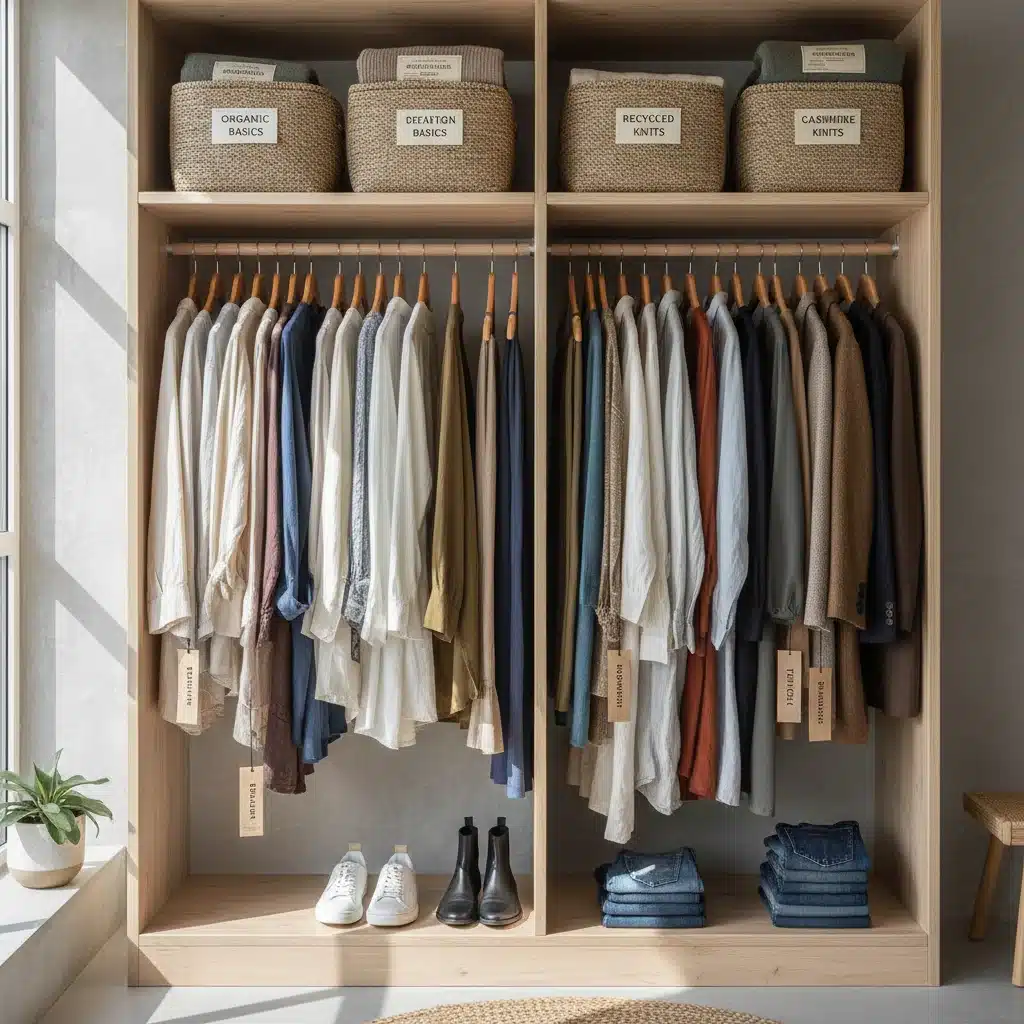
A capsule wardrobe is a curated collection of versatile, interchangeable clothing items that can be mixed and matched to create numerous outfits. This sustainable fashion swap encourages mindful consumption and reduces the need for excessive purchases. The core idea is to focus on quality over quantity, investing in well-made pieces that suit your personal style and can adapt to various occasions.
Start by identifying your lifestyle needs, your preferred color palette, and the essential items you wear most often. Aim for a collection of around 30-40 items (including shoes and accessories) that can be combined in countless ways. This approach minimizes decision fatigue, streamlines your morning routine, and ensures that every item in your closet is loved and frequently worn. A capsule wardrobe reduces clutter, saves money, and most importantly, significantly decreases your environmental footprint by curbing impulsive purchases and maximizing the utility of each garment. It’s a powerful sustainable fashion swap for anyone looking to simplify their style while upholding their eco-conscious values.
7. Participate in Clothing Swaps and Rentals
Beyond buying secondhand, participating in clothing swaps and exploring rental services are innovative sustainable fashion swaps that promote sharing and circularity. Clothing swaps are events where individuals bring unwanted garments and exchange them for ‘new-to-them’ items. It’s a fun, free, and social way to refresh your wardrobe without contributing to new production or waste.
For special occasions or items you might only wear once or twice (like formal wear or designer pieces), clothing rental services offer an excellent sustainable alternative. Instead of purchasing an expensive dress that will gather dust in your closet, you can rent it for a fraction of the cost, use it, and return it. This reduces consumption, saves money, and allows you to experiment with different styles without the long-term commitment. Both clothing swaps and rental services exemplify the sharing economy, offering practical and enjoyable ways to engage with fashion sustainably. These sustainable fashion swaps are perfect for those who love variety but want to minimize their environmental impact.
The Future of Your Sustainable Wardrobe in 2026 and Beyond
Adopting sustainable fashion swaps is not a one-time event but an ongoing journey. As we move further into 2026 and beyond, the landscape of fashion will continue to evolve, with new innovations and challenges emerging. The key is to remain informed, adaptable, and committed to making choices that align with your values. The collective impact of individual actions can drive monumental change within the industry.
Consider exploring emerging technologies and materials, such as lab-grown leather, mushroom-based fabrics, and advanced textile recycling technologies that can break down old garments into new fibers. These innovations promise to further reduce fashion’s environmental footprint and create truly circular systems. Stay curious about brands that are pushing the boundaries of sustainability, investing in fair wages, and implementing transparent supply chains. Your continued support for such pioneers is crucial.
Furthermore, engage in conversations about sustainable fashion with friends, family, and your community. Share your experiences, tips, and discoveries. The more people who understand the importance of these sustainable fashion swaps, the greater the demand for ethical and eco-friendly products will become. This collective voice empowers consumers and holds brands accountable, pushing the entire industry towards a more responsible future. Remember, every small step, every conscious decision, contributes to a larger movement. Your wardrobe can be a powerful statement of your commitment to a better world.
Conclusion: Your Role in Shaping a Sustainable Fashion Future
The journey towards a fully sustainable fashion industry is complex and multifaceted, but it begins with individual choices. By integrating the seven eco-friendly style swaps discussed in this 2026 guide, you are not just updating your wardrobe; you are actively participating in a global movement towards a more responsible, ethical, and environmentally sound future. From choosing quality over quantity and embracing organic materials to exploring secondhand markets and supporting transparent brands, each sustainable fashion swap you make contributes to a significant positive impact.
The power to transform the fashion industry lies in our hands, literally, with every purchase we make and every garment we choose to cherish. Let 2026 be the year you fully commit to conscious consumption, proving that style and sustainability are not just compatible but are, in fact, intrinsically linked. Your wardrobe can be a testament to your values, a collection of pieces that tell a story of ethical production, environmental care, and timeless elegance. Embrace these sustainable fashion swaps, inspire others, and become a part of the solution for a truly beautiful and sustainable world.