
The Rise of Digital Textiles: 2026’s Most Innovative Fabric Technologies Explained
The year is 2026, and the textile industry is in the midst of a profound transformation. What was once the domain of traditional looms and dye baths is now a vibrant landscape of digital innovation, smart materials, and sustainable practices. The concept of fabric has expanded far beyond mere aesthetics and comfort; it now encompasses functionality, connectivity, and environmental responsibility. This deep dive explores the cutting-edge of Digital Textile Innovation, highlighting the groundbreaking fabric technologies that are not just shaping the future of fashion, but also revolutionizing industries from healthcare to automotive.
For decades, textiles have been an indispensable part of human life. From the clothes we wear to the furniture we sit on, fabrics are ubiquitous. However, the demands of the 21st century—driven by technological advancements, environmental concerns, and evolving consumer expectations—have pushed the industry to redefine its boundaries. This redefinition is largely powered by Digital Textile Innovation, a term that encapsulates the integration of digital technologies into every stage of textile design, production, and application.
The Dawn of Smart Fabrics: Beyond Wearable Tech
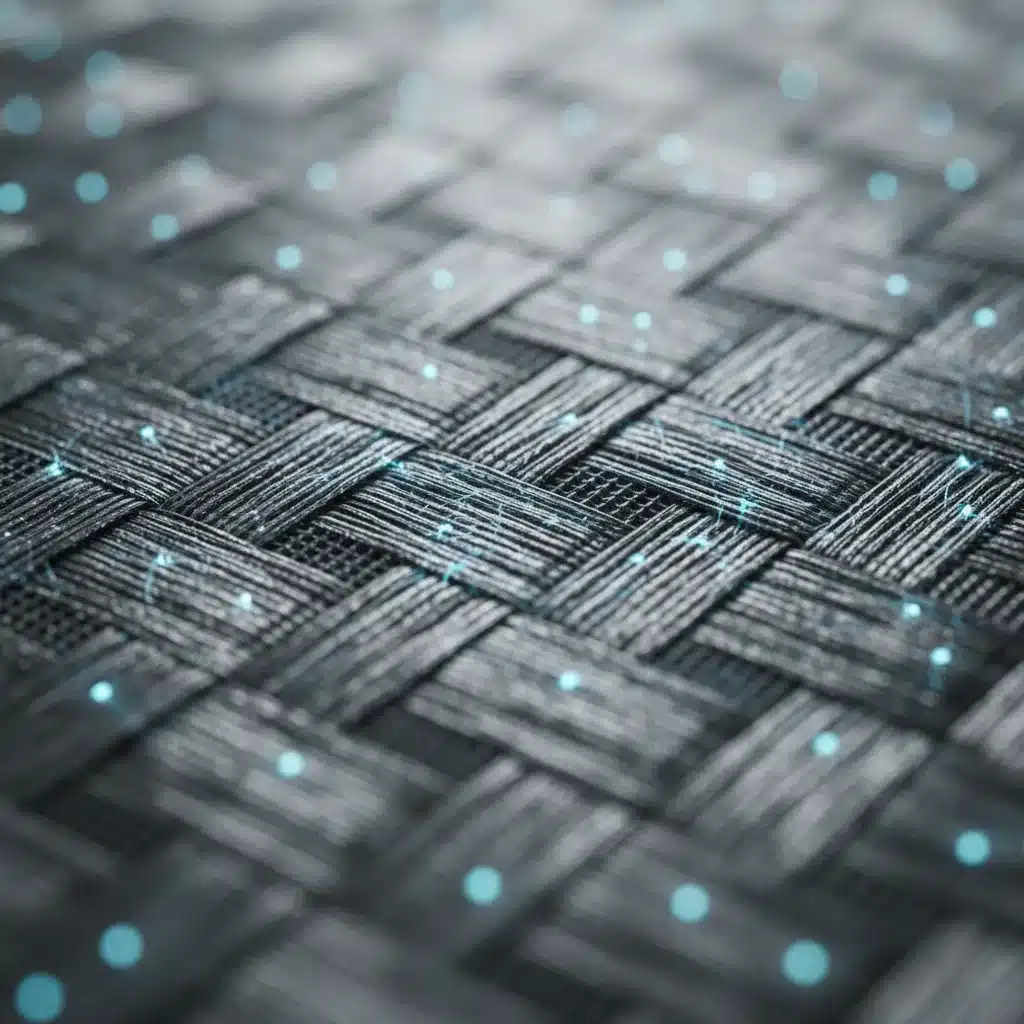
Smart fabrics are no longer a futuristic concept; they are a present-day reality, evolving at an astonishing pace. In 2026, these intelligent textiles are seamlessly integrated into our daily lives, offering functionalities that were once confined to science fiction. The core of Digital Textile Innovation in this area lies in embedding sensors, microcontrollers, and conductive threads directly into the fabric structure without compromising comfort or aesthetics.
Health Monitoring Textiles
Imagine clothing that constantly monitors your vital signs, detects anomalies, and even administers medication. This is the promise of health monitoring textiles. Shirts that track heart rate, respiration, and body temperature are becoming commonplace for athletes and individuals with chronic conditions. Beyond simple tracking, advanced smart fabrics are now capable of detecting early signs of illness, such as changes in sweat composition indicative of blood sugar fluctuations, or even subtle electrical signals from the brain to monitor stress levels. These fabrics transmit data wirelessly to smartphones or medical professionals, enabling proactive healthcare management and personalized wellness routines. The integration of nanotechnology allows for smaller, more durable sensors that can withstand repeated washing and wear, making these garments practical for everyday use.
Interactive and Responsive Clothing
The next frontier in smart fabrics is interactivity. We are seeing garments that can change color based on mood, environment, or even a simple gesture. Thermochromic and photochromic dyes, combined with embedded micro-LEDs, allow for dynamic visual displays on clothing. Beyond aesthetics, responsive textiles are designed for practical applications. For instance, sportswear that can adapt its insulation properties based on ambient temperature or the wearer’s activity level. Fabrics that can generate heat in cold conditions or provide cooling through evaporative properties are becoming standard in extreme sports and occupational wear. This level of responsiveness is a testament to the sophistication of current Digital Textile Innovation.
Energy Harvesting and Storage
One of the most exciting aspects of smart fabrics is their ability to generate and store energy. Flexible solar cells woven into textiles can power small electronic devices, eliminating the need for bulky batteries. Similarly, piezoelectric fibers can convert kinetic energy from movement into electricity. Imagine a jacket that charges your phone as you walk, or a tent that powers its own lighting system. These energy-harvesting textiles are not only convenient but also contribute to a more sustainable energy ecosystem, reducing reliance on conventional power sources. This is a significant leap in functional textiles, driven by advancements in material science and digital integration.
Advanced Manufacturing Techniques: Precision and Personalization
The manufacturing process itself has been revolutionized by Digital Textile Innovation. Traditional methods, often labor-intensive and wasteful, are being replaced by highly efficient, precise, and customizable digital processes. This shift is leading to faster production cycles, reduced waste, and the ability to create truly bespoke textile products.
3D Textile Printing and Additive Manufacturing
3D printing, once limited to rigid plastics and metals, has made significant inroads into textile production. We are now seeing the direct 3D printing of garments and intricate textile structures using flexible polymers and composite materials. This allows for unprecedented design freedom, enabling the creation of complex geometries and seamless structures that would be impossible with traditional methods. Furthermore, additive manufacturing techniques are being used to print functional elements directly onto existing fabrics, such as sensors, conductive pathways, or even decorative embellishments. This reduces assembly time and opens up new possibilities for integrated design. The ability to print on demand also significantly reduces overproduction and waste, aligning with sustainable manufacturing goals.
Robotics and Automation in Textile Production
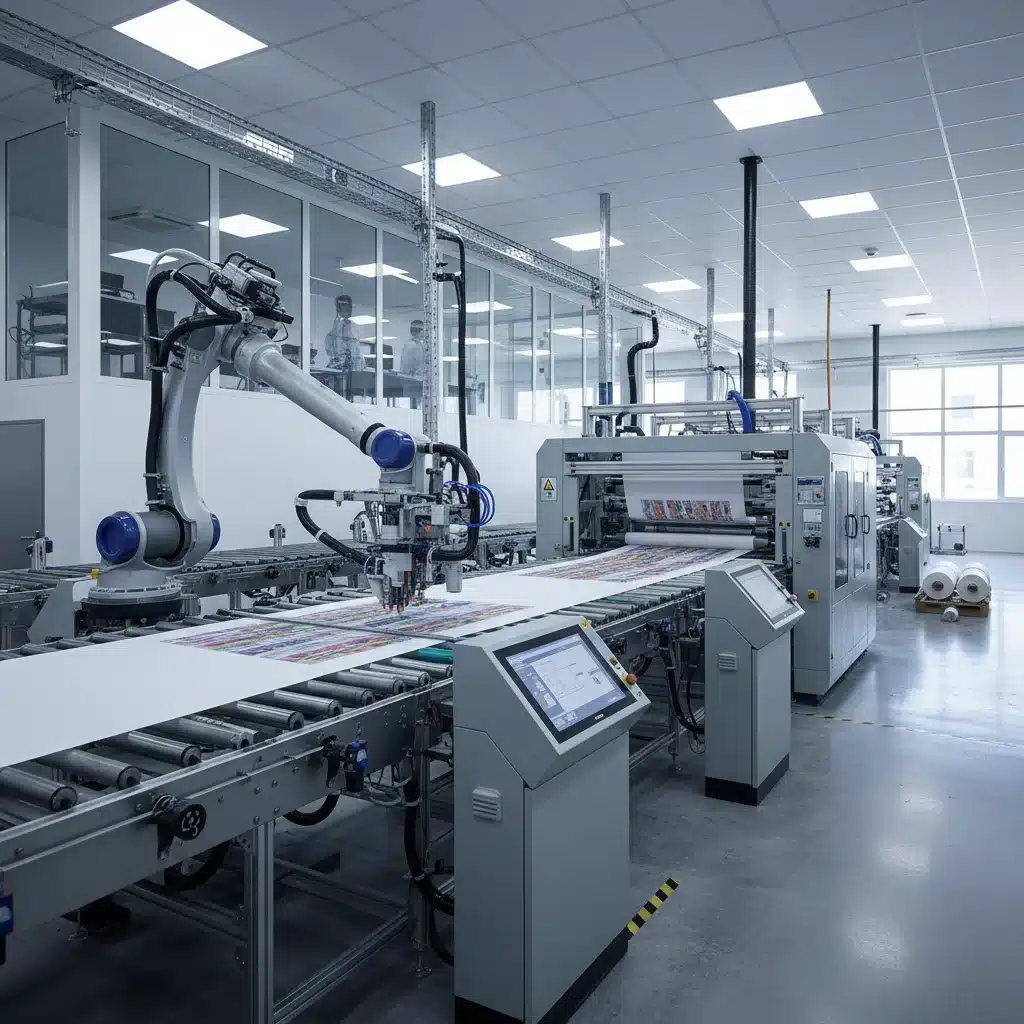
The textile factory of 2026 is a highly automated environment. Robotic arms are performing intricate tasks, from cutting and sewing to quality control, with unparalleled precision and speed. AI-powered systems optimize production flows, manage inventory, and predict maintenance needs, minimizing downtime and maximizing efficiency. This automation not only boosts productivity but also improves working conditions by taking over repetitive and hazardous tasks. The seamless integration of robotics with digital design platforms allows for rapid prototyping and mass customization, a hallmark of modern Digital Textile Innovation.
Digital Textile Printing: Beyond Aesthetics
Digital textile printing has moved beyond merely applying patterns. While vibrant, photorealistic prints are still a major advantage, the technology now allows for functional printing. This includes printing conductive inks for electronic circuits, antimicrobial agents for hygiene, or even phase-change materials for thermal regulation. The precision of digital printing means that designs can be applied exactly where needed, reducing material consumption and waste. Furthermore, digital printing enables short production runs and customization, making it ideal for niche markets and personalized products. This flexibility is a key driver of current Digital Textile Innovation.
Sustainable Textiles: A Digital Imperative
Environmental concerns are at the forefront of the textile industry’s agenda. Digital Textile Innovation is playing a crucial role in developing more sustainable practices, from material sourcing to end-of-life recycling.
Bio-fabricated and Lab-Grown Materials
The future of textiles is increasingly moving towards bio-fabrication. Scientists and innovators are developing materials grown in laboratories, such as mycelium-based leather alternatives, spider silk produced through fermentation, and cellulose fibers derived from agricultural waste. These materials offer sustainable alternatives to traditional resources, often requiring less water, land, and energy to produce. Digital tools are essential in optimizing the growth conditions and properties of these bio-fabricated textiles, ensuring they meet the performance standards required for various applications.
Recycling and Circularity Through Digital Tracking
Achieving true circularity in textiles requires robust tracking and sorting mechanisms. Digital technologies, such as RFID tags and blockchain, are being used to create transparent supply chains, allowing for the precise identification of material composition. This is crucial for effective recycling, as different fiber types require different processes. Smart labels embedded in garments can provide information about their origin, composition, and optimal recycling methods, empowering consumers and facilitating industrial recycling efforts. This digital traceability is fundamental to reducing textile waste and closing the loop in production.
Waterless Dyeing and Finishing Technologies
Traditional dyeing processes are notoriously water-intensive and often involve harmful chemicals. Digital Textile Innovation is leading to the widespread adoption of waterless dyeing technologies, such as supercritical CO2 dyeing, which uses pressurized carbon dioxide instead of water as a solvent for dyes. Similarly, digital finishing processes are minimizing the use of chemicals and energy. These advancements significantly reduce the environmental footprint of textile production, making the industry more eco-friendly and responsible.
The Impact Across Industries
The ripple effects of Digital Textile Innovation are felt far beyond the fashion runway. These advanced fabric technologies are transforming a multitude of sectors, enhancing performance, safety, and user experience.
Healthcare and Medical Textiles
In healthcare, smart textiles are enabling continuous, non-invasive patient monitoring, especially for the elderly or those with chronic conditions. Bandages infused with sensors can detect infection and release medication. Surgical gowns with antimicrobial properties enhance safety. Prosthetics are becoming more comfortable and functional with custom-fit 3D-printed textile components. The potential for these textiles to improve patient outcomes and streamline healthcare delivery is immense.
Automotive and Aerospace Applications
The automotive industry is leveraging advanced textiles for lightweighting, improved safety, and enhanced passenger comfort. Smart seat fabrics can monitor driver fatigue or adjust temperature. Integrated sensors in car interiors can detect occupants and deploy airbags more intelligently. In aerospace, high-performance composite textiles are crucial for reducing aircraft weight, improving fuel efficiency, and increasing structural integrity. Flame-retardant and impact-absorbing smart fabrics are also enhancing safety features in both sectors.
Sports and Performance Wear
Athletes are benefiting immensely from Digital Textile Innovation. Performance wear now incorporates fabrics that actively regulate body temperature, wick moisture more efficiently, and provide targeted compression. Embedded sensors in sportswear can track biometric data, analyze movement patterns, and even provide real-time feedback to improve performance and prevent injuries. The fusion of material science and digital technology is pushing the boundaries of human athletic potential.
Architecture and Interior Design
Architects and interior designers are exploring the use of smart textiles for dynamic building facades, interactive interior spaces, and energy-efficient solutions. Fabrics that can adjust their opacity for light control, generate electricity, or even purify air are becoming part of sustainable building designs. Acoustic textiles are improving sound quality in public spaces, while interactive textile surfaces are creating engaging environments.
Challenges and the Road Ahead for Digital Textile Innovation
Despite the rapid advancements, the path of Digital Textile Innovation is not without its challenges. Interoperability between different digital systems, data security and privacy concerns related to smart fabrics, and the high initial investment required for advanced manufacturing technologies are significant hurdles. The industry also faces the challenge of educating consumers about the benefits and proper care of these new, sophisticated textiles.
However, the trajectory is clear: the future of textiles is undeniably digital. Continued research and development in material science, artificial intelligence, and manufacturing automation will further accelerate this transformation. Collaboration between technologists, designers, manufacturers, and consumers will be key to unlocking the full potential of these innovative fabric technologies.
Looking ahead to 2026 and beyond, we can anticipate even more integrated and intuitive smart fabrics, highly personalized and sustainable production processes, and textiles that actively contribute to our well-being and the health of the planet. The era of passive fabrics is over; the age of intelligent, responsive, and responsible textiles is firmly here, driven by relentless Digital Textile Innovation.
The Economic Impact of Digital Textile Innovation
The shift towards Digital Textile Innovation is not just about technological advancement; it’s also a significant economic driver. The global market for smart textiles is projected to grow exponentially, creating new jobs and revenue streams. This growth is fueled by increased demand from consumers for functional clothing, and from industries seeking advanced material solutions. Companies that invest in digital technologies are gaining a competitive edge, streamlining their supply chains, and responding more quickly to market trends. The ability to produce on demand and offer customization reduces inventory costs and minimizes waste, leading to more profitable and sustainable business models. Furthermore, the development of new materials and manufacturing techniques fosters innovation, attracting investment and talent to the textile sector.
Reshaping the Textile Supply Chain
Traditional textile supply chains are often long, complex, and opaque. Digital Textile Innovation is bringing greater transparency and efficiency. Blockchain technology, for instance, is being used to track materials from source to finished product, ensuring ethical sourcing and authenticity. AI-powered analytics are optimizing logistics, predicting demand, and reducing lead times. This digital transformation of the supply chain not only improves efficiency but also builds consumer trust and supports ethical production practices. The localization of production through technologies like 3D printing also shortens supply chains, reducing transportation costs and carbon emissions.
The Role of Data in Textile Design and Production
Data is the new currency in the world of Digital Textile Innovation. From consumer preferences and fit data to material performance metrics and manufacturing efficiency, data analytics are informing every decision. AI-driven design tools can generate novel patterns, optimize material usage, and even predict fashion trends. In production, real-time data from sensors on manufacturing equipment allows for predictive maintenance, preventing costly breakdowns and ensuring consistent quality. This data-centric approach is making the textile industry more agile, responsive, and intelligent.
Ethical Considerations and Future Prospects
As Digital Textile Innovation continues to accelerate, ethical considerations become increasingly important. Questions around data privacy for smart garments that collect personal health information, the environmental impact of new materials, and ensuring equitable access to these technologies are paramount. Responsible innovation requires a commitment to addressing these challenges proactively.
The future prospects for Digital Textile Innovation are incredibly bright. We can anticipate even more seamless integration of electronics into fabrics, leading to truly invisible wearable technology. Advances in bio-integrated textiles could see clothing that interacts with our biology at a cellular level, perhaps even delivering nutrients or enhancing cellular repair. The convergence of augmented reality with textiles could create dynamic, personalized fashion experiences. The potential for textiles to become truly active, intelligent components of our environment and our bodies is just beginning to be explored.
In conclusion, 2026 marks a pivotal moment in the history of textiles. The wave of Digital Textile Innovation is reshaping how fabrics are designed, produced, and utilized, ushering in an era of unprecedented functionality, sustainability, and personalization. As these technologies mature, they will continue to redefine our relationship with the materials that clothe us, protect us, and increasingly, connect us to the world around us.