Textural Play: Exploring 6 Fabric Trends Adding Depth to 2026 Fashion
The fashion world is a perpetually evolving tapestry, woven with threads of innovation, creativity, and societal shifts. As we cast our gaze towards 2026, it’s clear that fabric is no longer just a canvas for design; it is the design itself. The forthcoming years promise a profound emphasis on textural play, with advancements in textile technology and a renewed focus on sustainability driving the most significant shifts. Understanding these 2026 fabric trends is crucial for designers, manufacturers, and fashion enthusiasts alike, as they will dictate the aesthetic and tactile experience of future collections.
The concept of ‘depth’ in fashion is moving beyond mere layering of garments. It’s about the inherent qualities of the materials, how they feel, how they move, and the stories they tell. From the tactile luxury of bio-engineered silks to the structural integrity of recycled composites, every fiber will play a pivotal role in defining the silhouettes and sensations of 2026. This article delves into six pivotal 2026 fabric trends that are set to revolutionize the industry, offering a comprehensive look at the materials that will shape the runways and wardrobes of tomorrow.
1. Sustainable Synthetics and Bio-Engineered Textiles: The Eco-Conscious Evolution
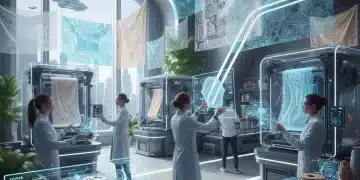
Sustainability is no longer a niche concern; it’s a fundamental pillar of modern fashion. In 2026, we’ll see a significant surge in sustainable synthetics and bio-engineered textiles, pushing the boundaries of eco-friendly fashion. These aren’t just recycled plastics; they are advanced materials designed for longevity, performance, and minimal environmental impact throughout their lifecycle.
One of the most exciting developments within this trend is the rise of bio-engineered fabrics. Imagine textiles grown from microorganisms, fungi, or plant-based cellulose, offering luxurious textures and properties without the heavy environmental footprint of traditional production. Think of ‘spider silk’ produced by fermentation, offering incredible strength and lightness, or mushroom leather providing a durable and ethical alternative to animal hides. These innovations are not only sustainable but also open up entirely new aesthetic possibilities, with textures that are both novel and inherently natural.
Furthermore, sustainable synthetics are becoming increasingly sophisticated. We’re talking about closed-loop recycling systems for polyester and nylon, where garments are broken down and re-spun into new fibers indefinitely. This circular approach minimizes waste and resource consumption. The textural aspect of these materials is also evolving, moving beyond the often-perceived stiffness of early recycled fabrics. Manufacturers are now able to create soft, fluid, and highly drapable sustainable synthetics that rival their virgin counterparts, making them indistinguishable in terms of luxury and comfort. This commitment to sustainability, coupled with innovative material science, is one of the most defining 2026 fabric trends.
2. Hyper-Textural Knits and Weaves: Embracing Tactile Richness
The desire for tactile experiences in a largely digital world will manifest strongly in 2026 through hyper-textural knits and weaves. This trend is about celebrating the inherent beauty and complexity of textile construction, moving away from smooth, uniform surfaces towards materials that beg to be touched and explored. Expect to see an abundance of chunky, irregular knits, often incorporating varied yarn weights and compositions to create a dynamic, multi-dimensional surface.
Beyond traditional knitting, advanced weaving techniques will produce fabrics with pronounced slubs, bouclés, and intricate jacquards that tell a story through their very structure. Think of textiles that mimic natural landscapes – the ruggedness of bark, the softness of moss, or the unevenness of stone. These fabrics will not only offer visual interest but also a comforting, grounding sensation against the skin. The beauty lies in their imperfection and the handcrafted feel they evoke, even when produced with modern machinery. This focus on tangible, rich textures will be a hallmark of 2026 fabric trends, offering a sensory antidote to the digital age.
Designers will experiment with layering these hyper-textural materials, creating garments that are both visually and tactilely complex. A dress might feature a smooth silk lining juxtaposed with an outer layer of chunky, hand-knitted wool, or a jacket could combine a dense, structured weave with delicate, open-work panels. This interplay of textures adds significant depth and character to garments, making them feel unique and luxurious. The emphasis here is on the material as a primary design element, allowing its inherent qualities to shine.
3. Iridescent and Reflective Surfaces: The Shimmering Future
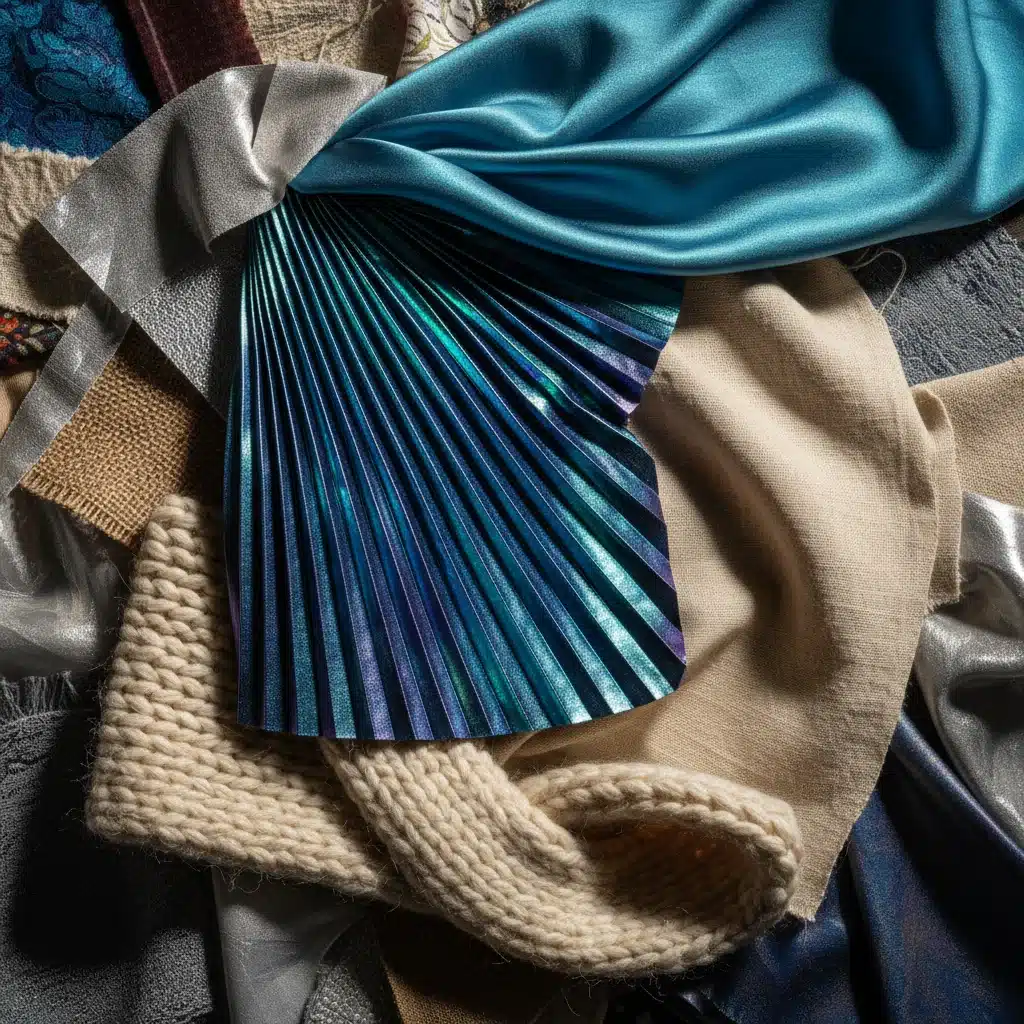
As technology continues to merge with fashion, iridescent and reflective surfaces are poised to become a major 2026 fabric trend. These materials capture and manipulate light, creating dynamic, ever-changing aesthetics that are both futuristic and captivating. This trend goes beyond simple metallics; it involves advanced coatings, embedded micro-fibers, and innovative weaving techniques that produce a spectrum of shifting colors and glows.
Imagine fabrics that appear one color from one angle and another from a different perspective, or materials that subtly shimmer with every movement, mimicking the scales of a fish or the wings of a beetle. These textiles are designed to interact with their environment, making the wearer a part of a dynamic visual experience. Applications will range from statement evening wear to innovative activewear, where functionality meets high-tech aesthetics. The performance aspect of these fabrics is also notable, with some offering UV protection or enhanced visibility, blending utility with avant-garde style.
The appeal of iridescent and reflective surfaces lies in their ability to create a sense of wonder and otherworldliness. They evoke a feeling of modernity and innovation, perfectly aligning with a future-forward fashion narrative. Expect to see these fabrics incorporated into accessories, outerwear, and even everyday garments, adding a touch of unexpected glamour and technological sophistication. This trend is about pushing visual boundaries and embracing the magic that light can bring to textiles, making it a truly luminous aspect of 2026 fabric trends.
4. Advanced Performance Textiles with Aesthetic Appeal: Form Meets Function
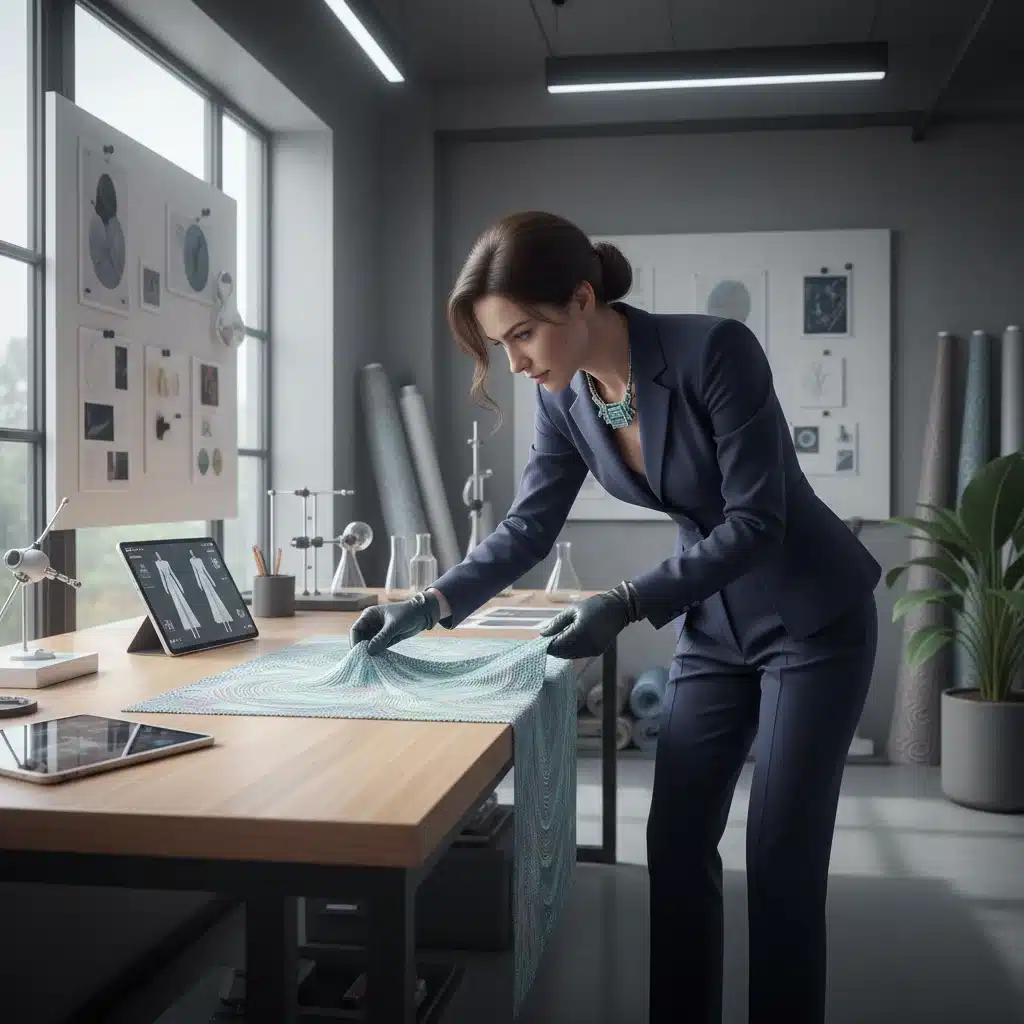
The line between performance wear and high fashion continues to blur, and in 2026, advanced performance textiles will be celebrated not just for their functionality but also for their inherent aesthetic appeal. This trend is about fabrics that offer superior properties – breathability, waterproofing, temperature regulation, stretch, durability – while also possessing a luxurious hand-feel, elegant drape, or unique visual texture. The days of sacrificing style for utility are long gone.
Innovations in fiber science and finishing techniques mean that waterproof fabrics can now feel soft and supple, breathable materials can have a refined sheen, and stretch fabrics can maintain crisp silhouettes. This allows designers to integrate performance characteristics seamlessly into everyday wear, tailoring, and even couture, without compromising on elegance. Think of tailored suits made from crease-resistant, moisture-wicking wool blends, or evening gowns crafted from lightweight, temperature-regulating silks that adapt to the wearer’s body.
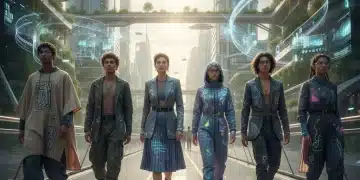
Furthermore, smart textiles, embedded with subtle technological capabilities, will become more prevalent. These might include fabrics that monitor vital signs, adapt their insulation based on ambient temperature, or even integrate flexible lighting elements. The key is that these technological integrations are discreet and enhance the garment’s aesthetic rather than dominating it. This fusion of cutting-edge technology with sophisticated design is a defining characteristic of the 2026 fabric trends, promising a future where clothing is as intelligent as it is beautiful.
5. Sheer and Layered Transparencies: The Art of Subtle Revelation
The allure of transparency and layering is a timeless fashion concept, but in 2026, it will be elevated to an art form through innovative sheer fabrics and sophisticated layering techniques. This trend is about creating depth and intrigue through subtle revelation, using materials that are delicate, ethereal, and often multi-dimensional. It’s not just about showing skin; it’s about hinting at what lies beneath, playing with light and shadow, and creating a sense of movement and fluidity.
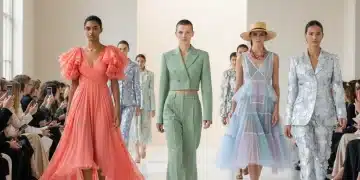
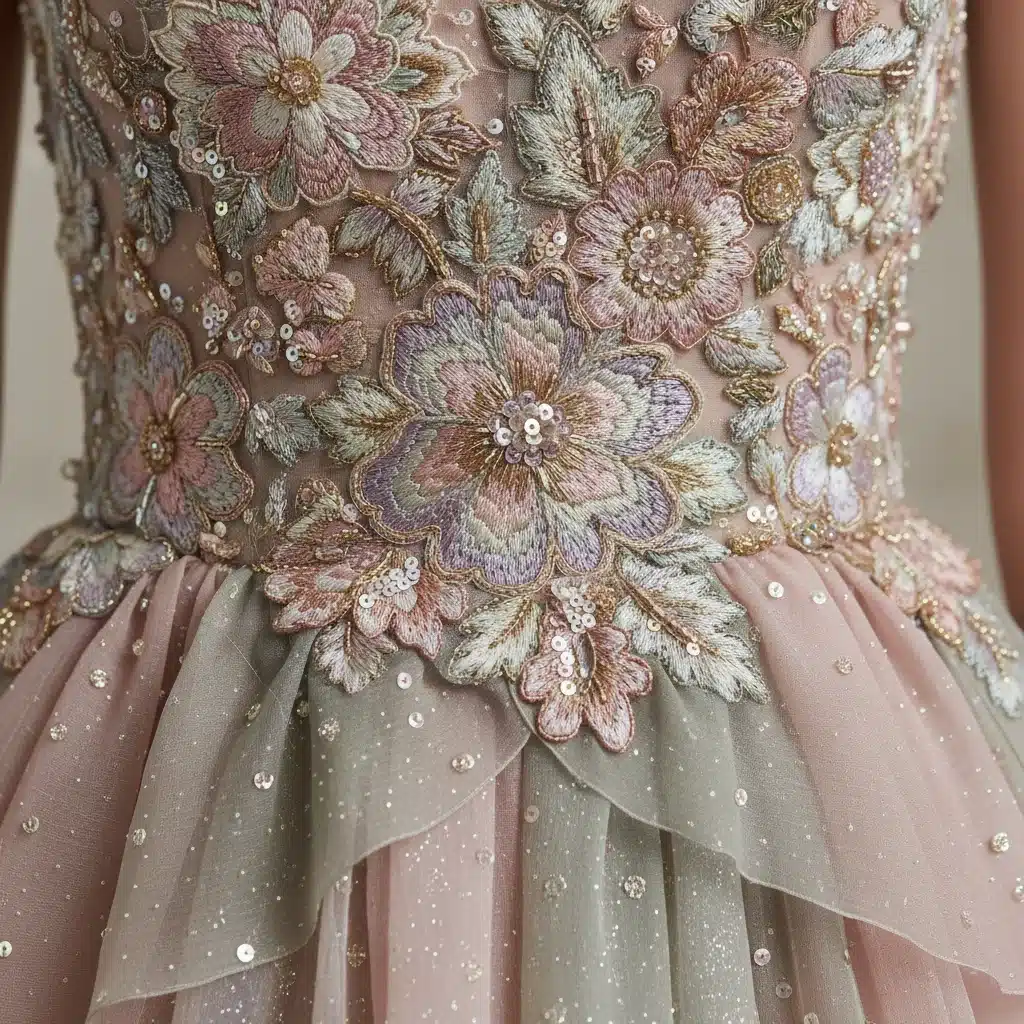
Expect to see a resurgence of organzas, chiffons, tulles, and very fine meshes, but reimagined with new finishes, sustainable compositions, and intricate embellishments. These fabrics will be used in creative ways – layered over opaque materials to create nuanced color gradients, combined to build architectural volumes that appear weightless, or subtly embroidered to add delicate textural details. The beauty of this trend lies in its versatility; it can be romantic and dreamy, avant-garde and edgy, or minimalist and refined, depending on the execution.
The tactile experience of these sheer fabrics is also paramount. They should feel incredibly soft, almost imperceptible against the skin, adding to their ethereal quality. The layering will often involve a mix of different transparencies and opacities, creating a dynamic visual narrative within a single garment. This sophisticated play with visibility and concealment is a powerful aspect of 2026 fabric trends, offering designers a rich palette for expressive and sensual creations.
6. Artisanal Embellishments and 3D Textures: Craftsmanship Reimagined
In an increasingly digitized world, the value of human touch and intricate craftsmanship is gaining renewed appreciation. For 2026, artisanal embellishments and 3D textures will emerge as a significant fabric trend, celebrating handcrafted details and the unique character they bring to garments. This trend moves beyond simple surface decoration; it involves techniques that add genuine three-dimensionality and tactile richness to textiles.
Think of elaborate hand-embroidery, often incorporating unexpected materials like recycled beads, organic fibers, or miniature ceramic elements. Appliqué will take on new forms, with cut-outs and overlays creating sculptural effects. Beyond traditional methods, advancements in textile technology will enable machine-assisted 3D printing directly onto fabrics, or the creation of woven and knitted structures that inherently possess volume and relief. These might include sculptural pleats, smocking, ruffles, or intricate knotting techniques that transform a flat fabric into a work of art.
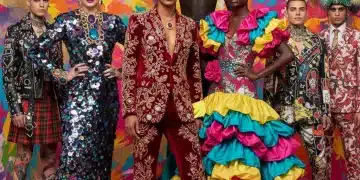
The beauty of artisanal embellishments and 3D textures is their ability to add a bespoke, luxurious feel to any garment. They tell a story of skill, patience, and attention to detail, making each piece feel special and unique. This trend also aligns with a growing consumer desire for authenticity and products with a narrative. Whether it’s a meticulously hand-beaded panel on an evening gown or a jacket with a cleverly engineered three-dimensional weave, these elements will elevate textiles from mere material to wearable sculpture. This embrace of craftsmanship and dimensional design is a key component of the 2026 fabric trends, promising a future where textiles are truly works of art.
The Intersection of Innovation and Aesthetics in 2026 Fabric Trends
The overarching theme uniting these 2026 fabric trends is the powerful intersection of innovation and aesthetics. No longer are technological advancements confined to functionality; they are now instrumental in creating new forms of beauty, depth, and tactile pleasure. Sustainability is not a compromise but an opportunity for creativity, leading to bio-engineered marvels and circular textile systems that push the boundaries of what’s possible.
The emphasis on texture, whether through hyper-textural knits, iridescent surfaces, or artisanal embellishments, speaks to a desire for sensory engagement in fashion. In a world saturated with digital experiences, the tangible, the felt, and the seen through the lens of material depth become increasingly precious. These trends encourage designers to think of fabric not just as a medium to be cut and sewn, but as a primary source of inspiration, a dynamic element that can transform a garment from simple to sublime.
Furthermore, the integration of advanced performance characteristics into high-fashion textiles signifies a maturing industry that understands the demands of modern life. Consumers seek clothing that is not only beautiful but also comfortable, durable, and adaptable to various environments. The seamless blend of form and function, achieved through sophisticated fabric engineering, will be a hallmark of 2026 collections.
As we move closer to 2026, the ongoing dialogue between textile manufacturers, scientists, and designers will continue to yield groundbreaking materials. These fabrics will not only respond to the evolving needs and desires of consumers but also proactively shape the direction of fashion. The future promises a rich tapestry of textures, colors, and innovations, where every thread contributes to a more sustainable, tactile, and visually captivating fashion landscape.
Conclusion: Weaving the Future of Fashion with 2026 Fabric Trends
The landscape of fashion in 2026 is set to be profoundly influenced by a remarkable evolution in textiles. The six key 2026 fabric trends we’ve explored – Sustainable Synthetics and Bio-Engineered Textiles, Hyper-Textural Knits and Weaves, Iridescent and Reflective Surfaces, Advanced Performance Textiles with Aesthetic Appeal, Sheer and Layered Transparencies, and Artisanal Embellishments and 3D Textures – are not merely fleeting fads. They represent fundamental shifts in how we conceive, produce, and experience clothing.
These trends collectively point towards a future where fashion is more thoughtful, more connected to its environmental impact, and more engaging on a sensory level. Designers will have an unprecedented palette of materials at their disposal, enabling them to create garments that are not only visually stunning but also embody innovation, comfort, and a profound sense of depth. The tactile richness, the interplay of light, the sophisticated engineering, and the celebration of craftsmanship will define the aesthetic of 2026.
For brands and consumers alike, understanding these shifts is key to navigating the upcoming fashion seasons. Investing in pieces that incorporate these forward-thinking fabrics means embracing a future where clothing is an intelligent, beautiful, and responsible extension of ourselves. The journey into 2026 promises an exciting era of textural play, where the very fibers of our garments tell a compelling story of progress and artistry. The evolution of textiles is truly weaving the future of fashion, one innovative thread at a time, making these 2026 fabric trends essential knowledge for anyone looking to stay ahead in the style game.