Beyond Fast Fashion: 6 Slow Fashion Brands Setting 2026’s Ethical Standards
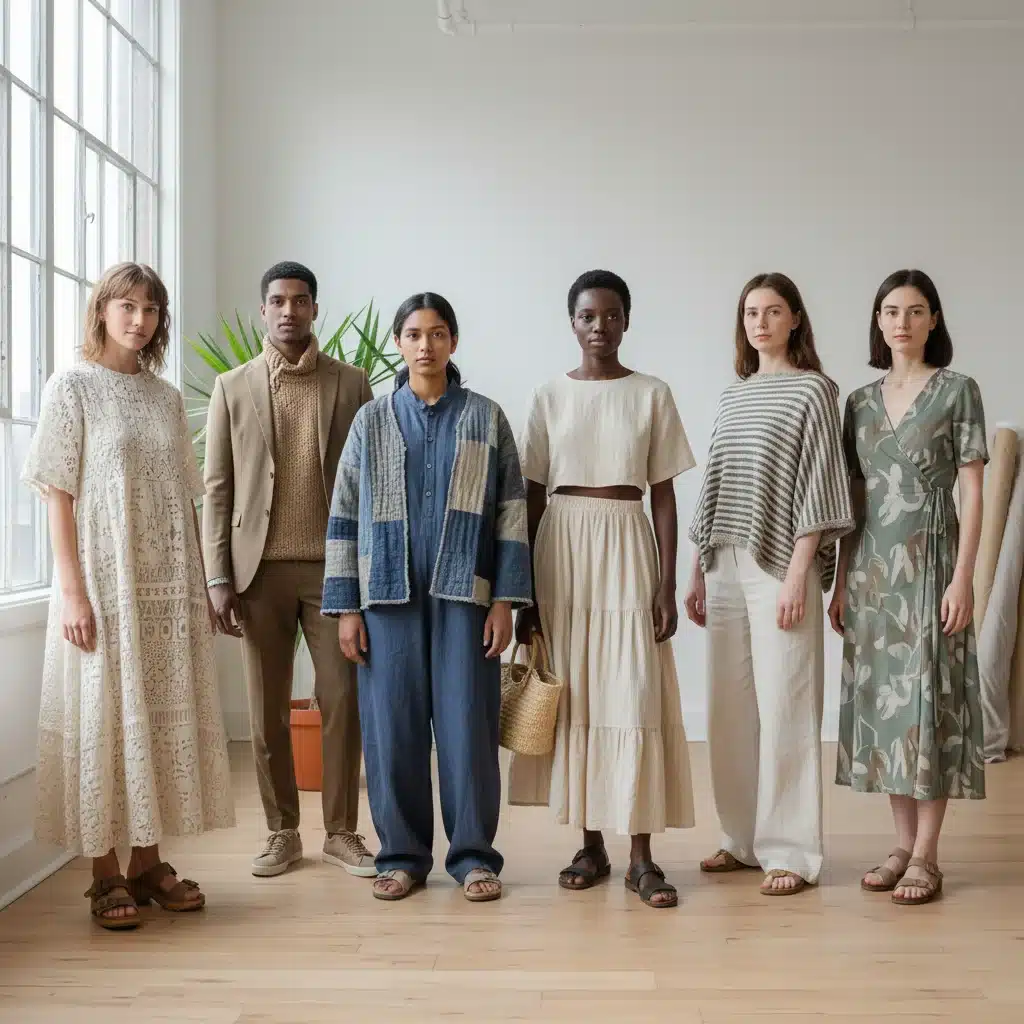
In an era dominated by rapid consumption and fleeting trends, the fashion industry has long been a major contributor to environmental degradation and social injustice. However, a powerful counter-movement is gaining momentum: slow fashion. This philosophy advocates for a more conscious approach to clothing production and consumption, prioritizing quality, durability, and ethical practices over quantity and disposability. As we look towards 2026, a select group of Slow Fashion Brands are not just participating in this movement; they are actively defining its future, setting new benchmarks for sustainability, transparency, and social responsibility.
The allure of fast fashion, with its inexpensive garments and constant new arrivals, has masked a darker reality. The environmental footprint is staggering, from excessive water usage and pesticide-laden cotton fields to microplastic pollution from synthetic fabrics and mountains of textile waste clogging landfills. Socially, fast fashion often relies on exploitative labor practices, with garment workers in developing countries enduring low wages, unsafe conditions, and long hours. The human cost and ecological impact are undeniable.
Slow fashion, on the other hand, offers a beacon of hope. It encourages consumers to invest in timeless pieces, made to last, and produced under fair conditions. It’s about understanding the true cost of clothing, valuing craftsmanship, and making intentional choices that align with one’s values. This shift isn’t just a trend; it’s a necessary evolution for a more sustainable and equitable future. The brands highlighted in this article are at the forefront of this revolution, demonstrating that style and ethics can, and should, go hand in hand.
Understanding the principles of slow fashion is crucial for anyone looking to transition from fast fashion habits. It encompasses several key tenets:
- Ethical Production: Ensuring fair wages, safe working conditions, and respect for all individuals involved in the supply chain.
- Sustainable Materials: Utilizing organic, recycled, upcycled, or innovative eco-friendly fabrics that minimize environmental impact.
- Durability and Quality: Creating garments designed to last, reducing the need for frequent replacements.
- Transparency: Openly sharing information about sourcing, manufacturing processes, and labor practices.
- Timeless Design: Focusing on classic styles that transcend seasonal trends, promoting longevity in wardrobes.
- Reduced Consumption: Encouraging consumers to buy less, choose well, and make informed decisions.
By embracing these principles, Slow Fashion Brands are not only creating beautiful clothing but also fostering a more responsible and conscious consumer culture. Let’s delve into the brands leading this charge in 2026.
The Rise of Conscious Consumerism: Why Slow Fashion Matters More Than Ever
The conversation around conscious consumerism has never been more vibrant, and for good reason. Consumers are increasingly aware of the profound impact their purchasing decisions have on the planet and its people. This heightened awareness is a significant driving force behind the growth of slow fashion. People are no longer content with merely acquiring goods; they want to understand the story behind their purchases, the journey of an item from its raw materials to their closet. This desire for transparency and ethical assurance is transforming the retail landscape, pushing brands to adopt more responsible practices.
Fast fashion’s model of rapid production and disposal has led to an unsustainable cycle. The environmental repercussions are dire: colossal amounts of water are used in cotton cultivation, toxic dyes pollute waterways, and synthetic fibers release microplastics into our oceans with every wash. Furthermore, the sheer volume of clothing produced means that vast quantities end up in landfills, often barely worn, contributing to a global waste crisis. The human cost is equally devastating, with countless reports detailing exploitative labor in garment factories where workers, often women, are subjected to harsh conditions and meager pay, trapped in a cycle of poverty.
Slow fashion directly addresses these critical issues. By advocating for fewer, higher-quality pieces, it reduces demand for mass production, thereby lowering resource consumption and waste generation. The emphasis on sustainable materials, such as organic cotton, linen, hemp, recycled polyester, and innovative plant-based alternatives, significantly minimizes environmental impact. Moreover, a core tenet of slow fashion is fair labor practices. Brands committed to this philosophy ensure that every individual in their supply chain, from farmers to factory workers, receives fair wages, works in safe conditions, and is treated with dignity and respect. This commitment to ethical sourcing and production is not just a moral imperative but a fundamental aspect of building a truly sustainable industry.
The impact of slow fashion extends beyond environmental and social benefits; it also fosters a deeper connection between consumers and their clothing. When you invest in a slow fashion garment, you’re not just buying an item; you’re buying into a philosophy, a story of craftsmanship, and a commitment to a better future. This leads to a more thoughtful approach to personal style, encouraging individuals to curate a wardrobe of beloved pieces that stand the test of time, rather than chasing fleeting trends. This shift towards mindful consumption is crucial for creating a fashion ecosystem that is regenerative, equitable, and truly sustainable for generations to come.
Pioneering Slow Fashion Brands Setting Standards in 2026
The following brands are not just participating in the slow fashion movement; they are actively shaping its future, demonstrating innovative approaches to sustainability, ethical production, and timeless design. They represent the vanguard of conscious consumerism in 2026.
1. Patagonia: The Enduring Champion of Ethical Outdoor Wear
Patagonia has long been synonymous with environmental activism and ethical business practices. While often recognized for its outdoor apparel, its commitment to quality, durability, and repairability places it firmly within the slow fashion ethos. Patagonia’s mission statement, “We’re in business to save our home planet,” permeates every aspect of its operations. They use a high percentage of recycled materials, organic cotton, and responsibly sourced down. Their ‘Worn Wear’ program encourages customers to repair, reuse, and recycle their clothing, offering repair services and a platform for buying and selling used Patagonia gear. This closed-loop approach drastically reduces waste and extends the life of their products, embodying the very essence of slow fashion. Their transparency reports are exemplary, detailing their supply chain and environmental impact, setting a high bar for other brands.
2. Eileen Fisher: Elegance Meets Sustainability
Eileen Fisher has been a pioneer in sustainable fashion for decades, proving that ethical practices can coexist with sophisticated design. The brand focuses on timeless, minimalist designs made from high-quality, sustainable materials like organic linen, organic cotton, and Tencel. Their commitment extends to their ‘Renew’ program, which takes back worn Eileen Fisher garments, cleans them, and resells them, or transforms them into new designs through their ‘Remade’ collection. This circular model not only reduces textile waste but also provides new life to existing materials. Eileen Fisher is also a leader in fair labor practices, ensuring transparency and ethical treatment throughout their supply chain. Their dedication to creating clothing that lasts, both in style and durability, makes them a cornerstone of the slow fashion movement.
3. Nudie Jeans: Denim with a Conscience
Denim production is notoriously resource-intensive, but Nudie Jeans has revolutionized the industry by creating high-quality, organic denim with a strong focus on sustainability and repair. Every pair of Nudie Jeans is made from 100% organic cotton, and the brand offers free repairs for life, encouraging customers to keep their jeans for as long as possible. This commitment to longevity is a powerful antidote to fast fashion’s disposability. They also have a ‘Re-use’ program where customers can trade in old Nudie Jeans for a discount on a new pair, with the old ones being repaired and resold. Their transparency regarding their supply chain and labor conditions is exemplary, ensuring that their denim is not only good for the planet but also for the people who make it. Nudie Jeans demonstrates that even a staple like denim can be produced ethically and sustainably.
4. Amour Vert: Sustainable Style, Tree by Tree
Amour Vert, meaning ‘green love’ in French, lives up to its name by offering stylish, eco-friendly apparel made from sustainable materials like Tencel Modal, organic cotton, and ethical silk. Their commitment to sustainability goes beyond materials; for every product purchased, they plant a tree in partnership with American Forests. This ‘buy a tee, plant a tree’ initiative directly addresses deforestation and carbon sequestration. The brand prioritizes local production in the USA to reduce its carbon footprint and ensure fair labor practices. Amour Vert’s designs are chic and versatile, proving that sustainable fashion doesn’t have to compromise on style. Their dedication to traceable supply chains and minimizing waste through made-to-order production for certain items further solidifies their position as a leading slow fashion brand.
5. Girlfriend Collective: Recycled Activewear Redefined
Girlfriend Collective has made a significant impact in the activewear market by proving that performance wear can be both sustainable and stylish. Their leggings, bras, and other activewear pieces are primarily made from recycled plastic bottles and fishing nets, diverting waste from landfills and oceans. The brand is incredibly transparent about its ethical manufacturing processes, working with SA8000 certified factories that ensure fair wages and safe working conditions. They also prioritize non-toxic dyes and closed-loop systems to minimize water waste. Girlfriend Collective’s commitment to inclusivity, offering a wide range of sizes and diverse representation in their marketing, further enhances their appeal as a truly progressive slow fashion brand. They are a testament to the fact that recycled materials can create high-quality, functional, and fashionable garments.
6. Veja: Ethical Sneakers with a Conscience
Veja has disrupted the sneaker industry by focusing on ecological materials and fair trade practices from the outset. Their sneakers are made from organic cotton, wild rubber from the Amazonian forest, and innovative recycled materials like plastic bottles and recycled polyester. What sets Veja apart is their radical transparency about their supply chain, from sourcing raw materials directly from small producers in Brazil and Peru to their ethical manufacturing in Brazil. They pay fair prices for their materials, often significantly above market rates, and ensure workers receive fair wages and benefits. Veja eschews traditional advertising, instead investing their resources directly into their production chain and sustainable innovation. This commitment to both environmental and social responsibility has made them a global leader in ethical footwear, proving that stylish sneakers don’t have to come at the expense of people or the planet.
The Impact of Choosing Slow Fashion Brands
The decision to support slow fashion brands goes far beyond simply purchasing a garment; it’s a conscious vote for a better future. The collective impact of individual choices can create a powerful ripple effect, driving systemic change within the fashion industry. When you choose slow fashion, you are actively contributing to several critical positive outcomes:
- Environmental Preservation: By opting for clothing made from sustainable materials and produced with eco-friendly processes, you reduce your carbon footprint, conserve water, minimize chemical pollution, and decrease textile waste. This directly combats climate change and protects precious ecosystems.
- Social Justice and Equity: Supporting brands committed to fair labor practices ensures that garment workers, who are often marginalized, receive fair wages, work in safe conditions, and are treated with dignity. This empowers communities and helps break cycles of poverty.
- Resource Efficiency: Slow fashion’s emphasis on durability and repairability means fewer items are produced and discarded, leading to a more efficient use of natural resources and less strain on landfills.
- Ethical Consumption: You become part of a movement that values quality over quantity, craftsmanship over mass production, and transparency over secrecy. This encourages other brands to adopt similar practices to meet evolving consumer demands.
- Personal Empowerment: Making informed, ethical choices about your wardrobe aligns your spending with your values, fostering a sense of purpose and integrity in your consumption habits. You become an active participant in creating a more sustainable world.
The shift towards slow fashion also encourages a more mindful approach to personal style. Instead of constantly chasing fleeting trends, consumers are encouraged to build a versatile wardrobe of timeless pieces that reflect their individual aesthetic. This not only leads to a more sustainable closet but also cultivates a deeper appreciation for the artistry and effort that goes into creating well-made clothing. The investment in quality pieces means they last longer, reducing the need for frequent replacements and ultimately saving money in the long run. It’s a win-win for both your wallet and the planet.
How to Embrace Slow Fashion in Your Daily Life
Transitioning from fast fashion to a more sustainable wardrobe can seem daunting, but it’s a journey of small, intentional steps. Here’s how you can embrace slow fashion in your daily life and support Slow Fashion Brands:
- Educate Yourself: Learn about the environmental and social impacts of fast fashion. Understand what sustainable materials are and why ethical production matters. Resources like the Fashion Revolution’s Transparency Index and Good On You app can be incredibly helpful.
- Know Your Wardrobe: Before buying anything new, take stock of what you already own. What do you wear regularly? What do you need? This helps prevent impulse purchases and ensures you’re only buying what you truly love and will use.
- Choose Quality Over Quantity: Invest in well-made, durable pieces that will last for years, rather than cheap, disposable items. Think about cost-per-wear; a more expensive, high-quality item can be more economical in the long run if it lasts significantly longer.
- Prioritize Sustainable Materials: Look for natural, organic, recycled, or upcycled fabrics. Examples include organic cotton, linen, hemp, Tencel, modal, recycled polyester, and innovative plant-based leathers.
- Support Ethical Brands: Actively seek out and purchase from Slow Fashion Brands that prioritize transparency, fair labor, and environmental responsibility. Research their supply chains and certifications.
- Repair and Repurpose: Extend the life of your clothes by mending them when they tear, or altering them to fit better. Get creative with repurposing old garments into new items or for other uses around the house.
- Shop Secondhand: Explore thrift stores, consignment shops, vintage boutiques, and online platforms for pre-loved clothing. This is one of the most sustainable ways to refresh your wardrobe and find unique pieces.
- Care for Your Clothes: Follow washing instructions carefully to prolong the life of your garments. Wash less frequently, use cold water, and air dry when possible to conserve energy and prevent damage.
- Rent or Borrow: For special occasions or items you’ll only wear once, consider renting instead of buying. This reduces consumption and gives you access to a wider variety of styles without the commitment.
- Question Your Purchases: Before buying, ask yourself: Do I really need this? Will I wear it at least 30 times? Is it well-made? Does it align with my values? This mindful approach helps curb impulsive buying.
Embracing slow fashion is a journey, not a destination. It’s about making continuous, conscious choices that contribute to a more sustainable and equitable fashion system. Every small step makes a difference.
The Future of Fashion: A Slow and Sustainable Path
As we navigate towards 2026 and beyond, the trajectory of the fashion industry is undeniably shifting. The fast fashion model, once seen as an unstoppable force, is increasingly being challenged by both consumer demand and legislative pressures. The brands highlighted in this article are not just exceptions; they are becoming the blueprint for how fashion should operate in the 21st century. Their innovative approaches to material sourcing, manufacturing, and consumer engagement are paving the way for a truly regenerative industry.
The future of fashion will be characterized by several key trends, all rooted in the principles of slow fashion:
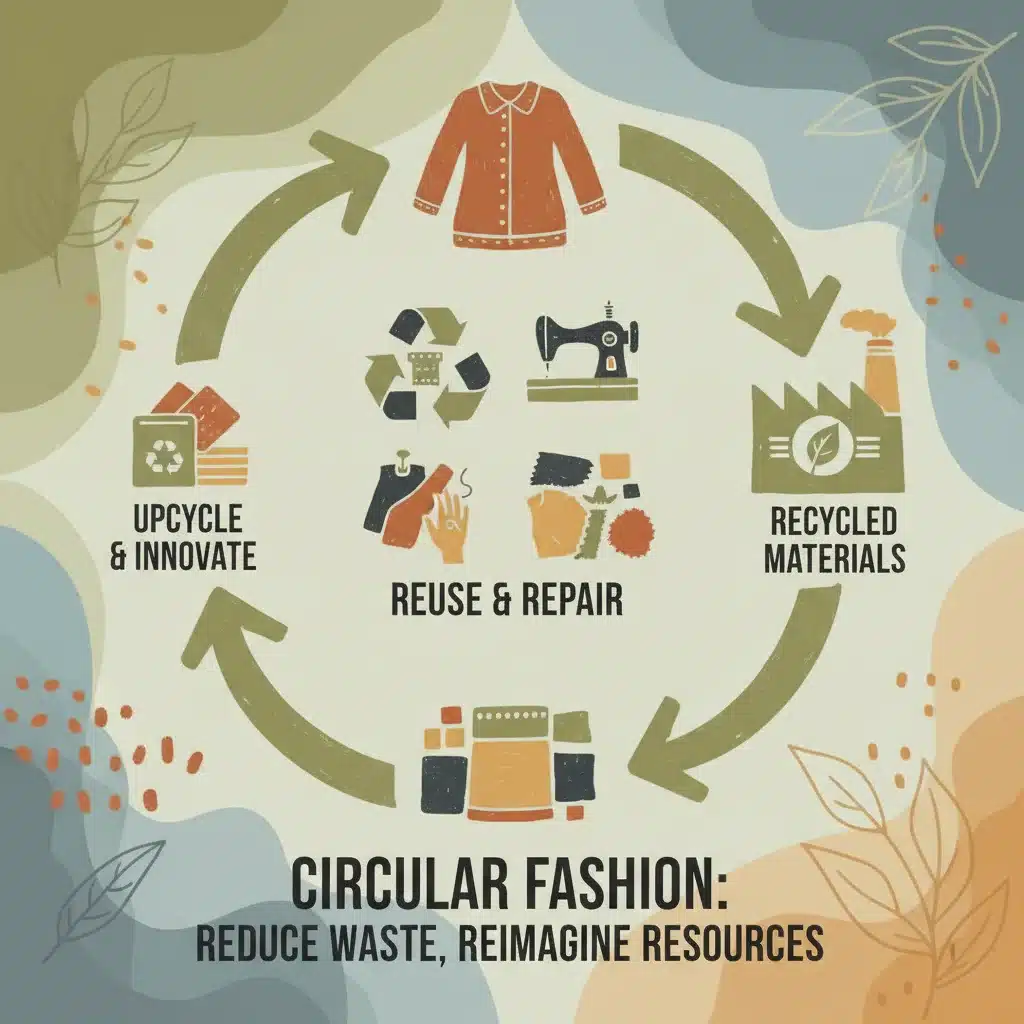
- Circular Economy Models: More brands will adopt take-back programs, repair services, and initiatives for recycling and upcycling garments, moving away from the linear ‘take-make-dispose’ model.
- Advanced Material Innovation: Expect to see a proliferation of new, sustainable materials, including bio-based fabrics, lab-grown leathers, and textiles derived from agricultural waste, further reducing reliance on conventional, resource-intensive options.
- Hyper-Transparency: Consumers will demand, and brands will provide, granular detail about their entire supply chain, from the origin of raw materials to the working conditions in factories. Blockchain technology may play a significant role in enabling this transparency.
- On-Demand and Custom Production: To minimize waste and overproduction, more brands will explore made-to-order models, potentially leveraging 3D printing and advanced manufacturing techniques.
- Longevity and Durability: The focus will shift from seasonal trends to timeless design and exceptional craftsmanship, encouraging consumers to invest in pieces that last for decades rather than seasons.
- Resale and Rental Markets: The growth of platforms for buying, selling, and renting pre-owned clothing will continue to accelerate, further extending the lifespan of garments and promoting a shared economy model.
The role of technology will be pivotal in this transformation. AI and machine learning can optimize production processes, predict demand more accurately to reduce waste, and help track supply chains. Digital product passports could provide consumers with comprehensive information about a garment’s journey and environmental impact. Furthermore, virtual fashion and digital try-ons could reduce the need for physical samples and returns, minimizing environmental impact even further.
Ultimately, the future of fashion is about balance: balancing style with sustainability, profit with purpose, and individual expression with collective responsibility. The Slow Fashion Brands leading the charge in 2026 are not just selling clothes; they are selling a vision for a more ethical, sustainable, and beautiful world. By supporting them, and by embracing the principles of slow fashion in our own lives, we can collectively weave a more hopeful future for the industry and the planet.
Conclusion: Dressing with Purpose in 2026 and Beyond
The fashion industry stands at a critical juncture, and the choices we make today will determine its trajectory for decades to come. Fast fashion’s destructive cycle of overproduction and consumption has created an undeniable crisis, but the rise of slow fashion offers a powerful and inspiring alternative. The Slow Fashion Brands highlighted in this article—Patagonia, Eileen Fisher, Nudie Jeans, Amour Vert, Girlfriend Collective, and Veja—are not merely selling clothing; they are selling a philosophy. They are demonstrating that it is entirely possible to create beautiful, high-quality garments while upholding the highest standards of environmental stewardship and social justice.
These pioneering brands are setting the ethical benchmarks for 2026 and beyond, proving that sustainability and style are not mutually exclusive. They are showing us that true luxury lies in craftsmanship, durability, and a clean conscience. By prioritizing organic and recycled materials, ensuring fair labor practices, and fostering circular economy models, they are actively reshaping the industry for the better. Their commitment to transparency empowers consumers to make informed choices, fostering a deeper connection to the clothes we wear and the stories they tell.
As consumers, our power lies in our purchasing decisions. Every time we choose a slow fashion garment over a fast fashion alternative, we cast a vote for a more sustainable and equitable future. It’s about moving away from impulsive buying and towards thoughtful investment in pieces that will last, both in terms of quality and timeless appeal. It’s about embracing repair over replacement, and valuing the resources and labor that go into every stitch.
Embracing slow fashion is more than just a trend; it’s a lifestyle choice that reflects a deeper understanding of our interconnectedness with the planet and its people. It’s about dressing with purpose, knowing that your wardrobe choices contribute to a positive impact. By supporting these visionary Slow Fashion Brands and adopting the principles of conscious consumption, we can collectively build a fashion industry that is not only stylish but also truly sustainable, ethical, and respectful of our shared home. Let’s make 2026 the year we fully commit to a slower, more deliberate, and ultimately more beautiful way of dressing.