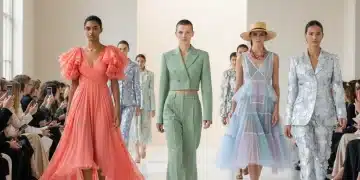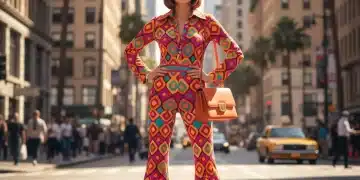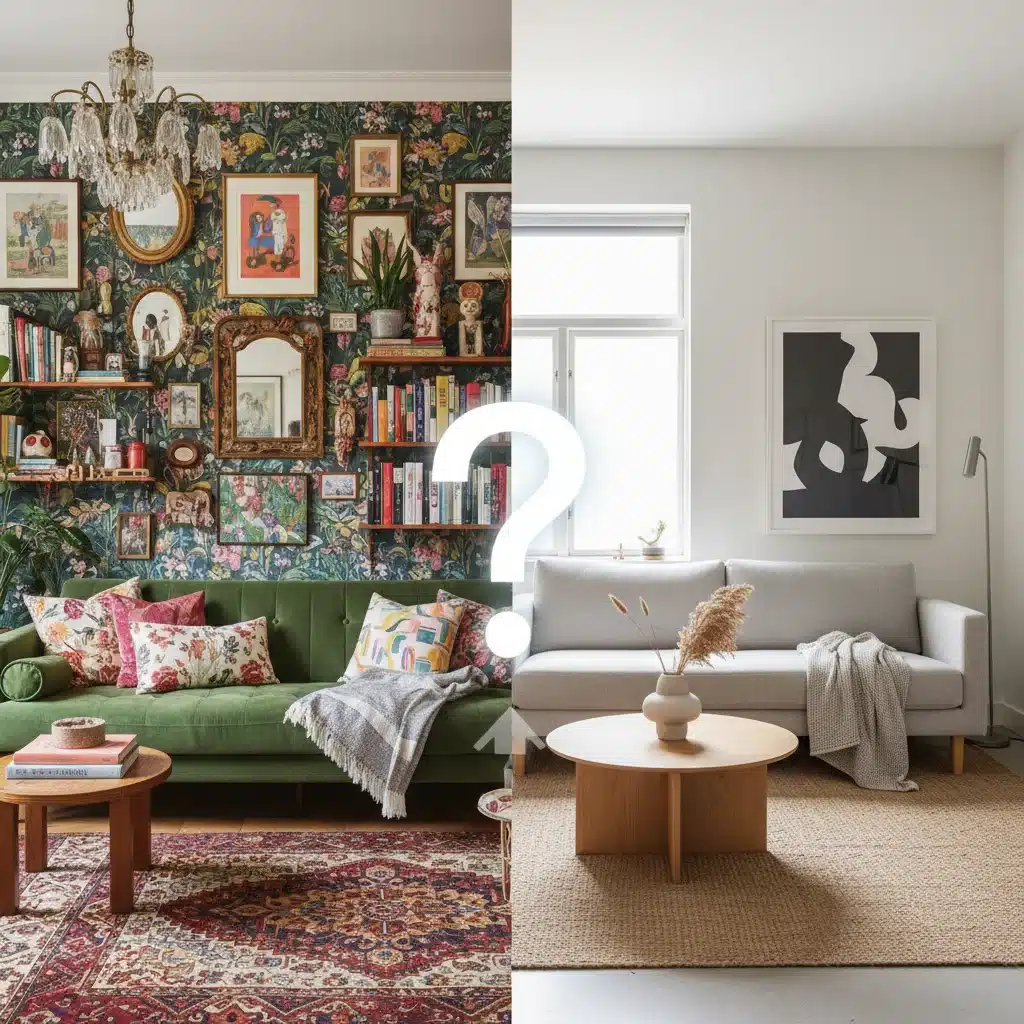
As we navigate the dynamic landscape of aesthetics, a perpetual tug-of-war exists between two formidable design philosophies: maximalism and minimalism. Each offers a distinct approach to living, dressing, and decorating, reflecting deeper societal currents. For the next six months of 2026, the United States is poised on the brink of a fascinating style showdown. Will the opulent embrace of maximalism, with its rich textures, bold patterns, and curated chaos, capture the collective imagination? Or will the serene simplicity of minimalism, advocating for clean lines, functional spaces, and a ‘less is more’ ethos, continue its quiet reign? Understanding these US style trends is not just about predicting hemlines or furniture choices; it’s about discerning the cultural mood, consumer desires, and the evolving narrative of personal expression. This article delves deep into both movements, analyzing their current standing, potential trajectory, and ultimately, forecasting which trend will predominantly define US style trends in the latter half of 2026.
The Enduring Appeal of Minimalism: A Foundation of Calm
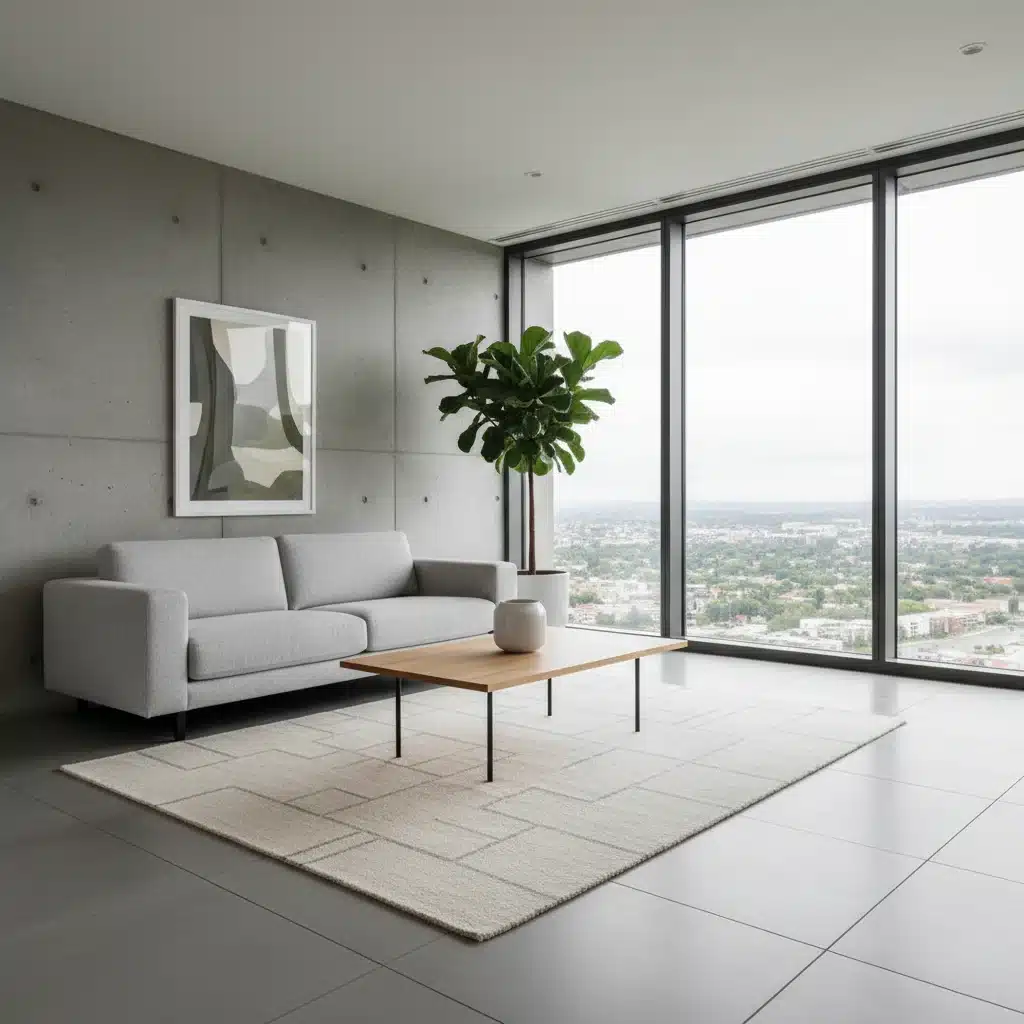
Minimalism, far from being a fleeting fad, has cemented itself as a powerful and pervasive force in US style trends over the past decade. Its core tenets – simplicity, functionality, and a decluttered existence – resonate deeply in a world often overwhelmed by information and consumerism. In fashion, this translates to capsule wardrobes, timeless silhouettes, neutral color palettes, and high-quality, versatile pieces. Think monochromatic outfits, tailored blazers, and classic denim. The appeal lies in effortlessness, sustainability (through fewer, better items), and a sophisticated understated elegance. For home decor, minimalism manifests as open-plan spaces, sparse furnishings, natural materials like wood and stone, and a focus on light and air. The objective is to create a tranquil sanctuary, free from visual noise, promoting mental clarity and relaxation. This philosophy extends beyond mere aesthetics; it’s a lifestyle choice, encouraging intentionality, reducing waste, and prioritizing experiences over possessions. The psychological benefits of a minimalist environment are often cited, contributing to its sustained popularity. As we look at US style trends for 2026, minimalism’s strong foundation suggests it won’t disappear entirely, but its form might evolve.
The digital age has also played a significant role in minimalism’s rise. The clean interfaces of popular apps, the sleek design of tech gadgets, and the curated feeds of social media influencers often echo minimalist principles. This pervasive digital aesthetic subtly reinforces the desire for simplicity in our physical environments. Furthermore, a growing awareness of environmental impact has led many consumers to embrace conscious consumption, a natural fit for the minimalist approach of buying less and investing in quality. Brands that align with these values, offering transparent production processes and durable goods, have seen considerable success. However, even within minimalism, there are nuances. We’ve seen the rise of ‘warm minimalism’ which incorporates more textures and softer hues, and ‘Japandi’ which blends Japanese aesthetics with Scandinavian functionality. These variations suggest that while the core idea of ‘less is more’ remains, its expression can be adapted, indicating a flexible and resilient trend in US style trends.
Maximalism’s Resurgence: A Feast for the Senses
On the other side of the spectrum, maximalism is making a triumphant, vibrant return, offering a stark contrast to its minimalist counterpart. Maximalism celebrates abundance, individuality, and a fearless embrace of color, pattern, and texture. It’s about telling a story through curated collections, mixing eras, styles, and influences to create a space or an outfit that is uniquely personal and visually stimulating. In fashion, this means bold prints, clashing colors, intricate embellishments, layering, and statement accessories. Think vintage finds mixed with contemporary pieces, oversized silhouettes, and a playful disregard for traditional rules. The maximalist dresser isn’t afraid to stand out; they see their attire as an extension of their personality, a canvas for self-expression. For home decor, maximalism transforms living spaces into vibrant, layered havens. Walls adorned with art, shelves overflowing with books and curios, patterned wallpapers, rich textiles, and an eclectic mix of furniture define this aesthetic. It’s about creating an environment that feels lived-in, comfortable, and full of character. This trend often emerges during times of societal change or uncertainty, offering a sense of joy, escapism, and a rebellious spirit against conformity. For US style trends in 2026, maximalism could be seen as a reaction to years of austerity and digital detachment.
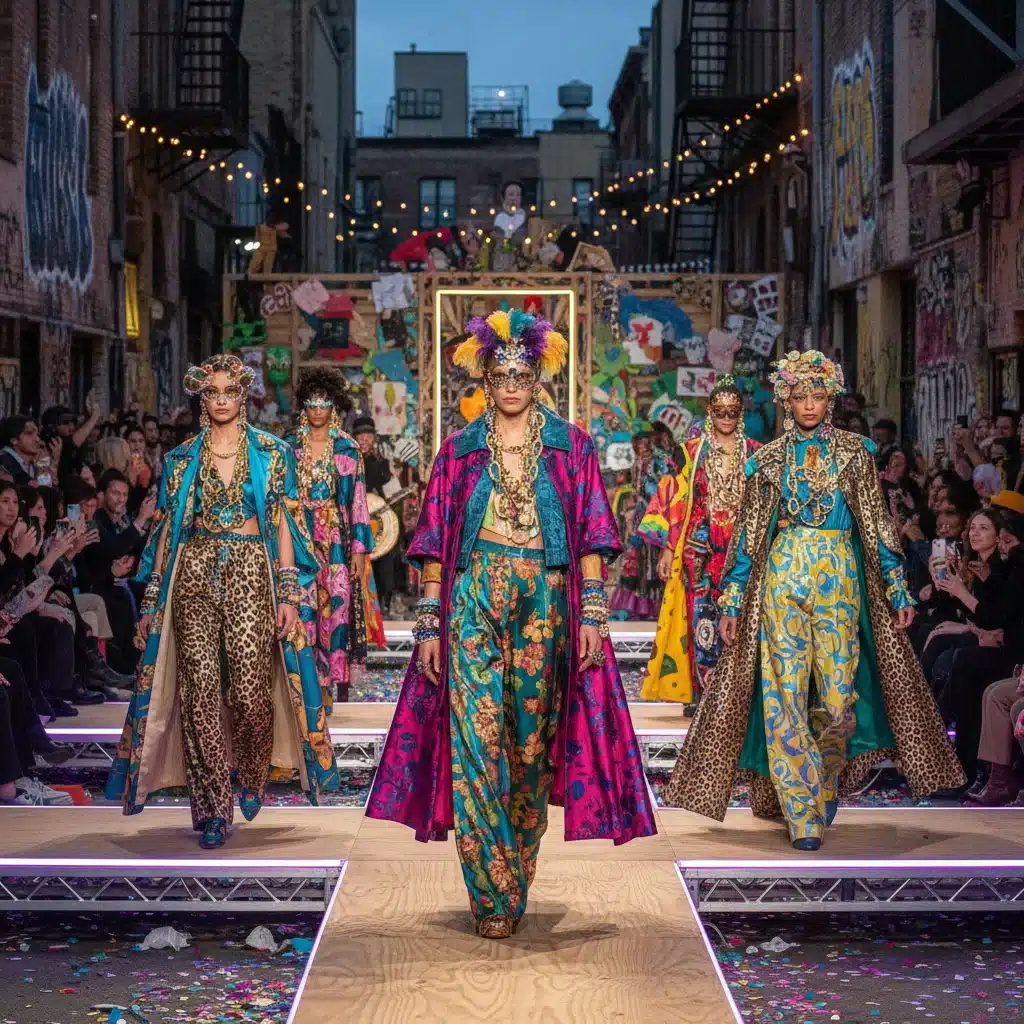
The resurgence of maximalism isn’t just about accumulating more; it’s about thoughtful curation and storytelling. Each object, each pattern, each color choice contributes to a larger narrative. Social media, ironically, also fuels this trend, as highly visual and Instagrammable maximalist interiors and outfits often garner significant attention. Influencers and designers are showcasing how to effectively blend diverse elements without creating clutter, emphasizing the art of layering and intentional arrangement. The desire for authenticity and personal narrative, especially among younger generations, aligns perfectly with maximalism’s ethos of self-expression. Furthermore, the growing popularity of vintage and second-hand shopping supports a maximalist approach, encouraging the discovery and integration of unique, pre-loved items that add character and history to a space or wardrobe. This focus on individuality and personality makes maximalism a compelling contender in the ongoing discussion of US style trends for the upcoming period.
Key Drivers Shaping US Style Trends for Mid-2026
Several underlying factors will significantly influence whether maximalism or minimalism takes the lead in US style trends for the next six months. Understanding these drivers is crucial for an accurate forecast.
Economic Climate and Consumer Confidence
The economic outlook plays a pivotal role. During periods of economic uncertainty, consumers often gravitate towards more practical, durable, and versatile items, favoring the longevity and investment pieces often associated with minimalism. Budget consciousness can lead to a ‘buy less, choose well’ mentality. Conversely, a booming economy and high consumer confidence can unleash a desire for indulgence, luxury, and expressive purchases, feeding into the maximalist tendency for acquiring unique, decorative, and often non-essential items. The current economic forecast for mid-2026 will heavily sway consumer spending habits and, consequently, the prevailing aesthetic.
Social and Political Landscape
Times of social and political upheaval often lead to a desire for comfort and stability, which can manifest in either extreme. Some may seek the calming solace of minimalist environments to escape external chaos, while others might turn to maximalism as a form of joyful rebellion, a way to express optimism or defiance through vibrant self-expression. The collective mood of the nation – whether leaning towards introspection and simplicity or exuberance and outspokenness – will be a significant indicator for US style trends.
Technological Advancements and Digital Influence
The digital realm continues to be a powerful trendsetter. Social media platforms like Instagram, TikTok, and Pinterest are visual powerhouses, rapidly disseminating style ideas and influencing purchasing decisions. The algorithms often favor visually striking content, which can sometimes give maximalist aesthetics an edge due to their inherent ‘scroll-stopping’ nature. However, the rise of digital detoxes and a desire for less screen time could also reinforce the appeal of minimalist, calming physical spaces. Furthermore, advancements in sustainable materials and manufacturing processes could influence both trends, offering eco-friendly options for both simple, durable goods and elaborate, ethically sourced decorative items.
Environmental Consciousness and Sustainability
Sustainability is no longer a niche concern; it’s a mainstream expectation. Both maximalism and minimalism can align with sustainable practices, albeit in different ways. Minimalism inherently promotes sustainability through reduced consumption and longevity. Maximalism can be sustainable through the emphasis on vintage, upcycled, and ethically sourced items, reducing demand for new production. The question for US style trends in 2026 is which approach will resonate more strongly with the eco-conscious consumer base.
Maximalism in Focus: Fashion, Home, and Lifestyle
Let’s delve deeper into how maximalism is manifesting across different facets of US style trends for 2026.
Fashion: A Bold Expression
In fashion, maximalism is characterized by a ‘more is more’ attitude. Expect to see:
- Layering: Unexpected combinations of textures and lengths. Think a patterned dress over wide-leg trousers, topped with an oversized cardigan and a statement coat.
- Clashing Prints & Colors: Florals with stripes, polka dots with animal print, vibrant hues paired with unexpected contrasts.
- Statement Accessories: Chunky jewelry, oversized bags, elaborate headpieces, and embellished footwear.
- Rich Textiles: Velvet, brocade, silk, faux fur, and intricate embroidery.
- Vintage & Upcycled: A strong emphasis on unique, one-of-a-kind pieces that tell a story.
This approach to dressing is about confidence and personal narrative, moving away from uniform looks towards individual flair. It’s a celebration of fashion as an art form.
Home Decor: Curated Eclecticism
Maximalist home decor is about creating a visual feast, a space that feels collected and deeply personal. Key elements include:
- Gallery Walls: Floor-to-ceiling art, mixing different styles, frames, and mediums.
- Pattern Play: Wallpaper, rugs, upholstery, and curtains featuring bold, often contrasting, patterns.
- Rich Color Palettes: Deep jewel tones, vibrant primary colors, and unexpected color combinations.
- Eclectic Furniture: Mixing antique, vintage, and modern pieces; different styles of chairs around a dining table.
- Collections & Curios: Displaying cherished objects, books, travel souvenirs, and decorative items openly.
- Textural Layers: Velvets, silks, faux fur throws, woven rugs, and intricate cushions.
The goal is to create a dynamic, inviting, and visually stimulating environment that reflects the homeowner’s journey and passions. This will be a significant aspect of US style trends.
Lifestyle: Experiential & Expressive
Beyond tangible items, maximalism influences lifestyle choices. It encourages embracing experiences, celebrating individuality, and finding joy in abundance. This might translate to:
- Elaborate Entertaining: Over-the-top dinner parties with themed decor, intricate menus, and creative cocktails.
- Passionate Hobbies: Dedicating time and resources to collecting, crafting, or artistic pursuits.
- Travel: Seeking out vibrant, culturally rich destinations and bringing back unique souvenirs.
- Self-Care: Indulging in luxurious rituals, from elaborate skincare routines to creating a personal spa oasis at home.
Maximalist living is about savoring life’s richness and expressing one’s authentic self without reservation.
Minimalism in Focus: Fashion, Home, and Lifestyle
Now, let’s explore how minimalism continues to shape US style trends for mid-2026.
Fashion: Effortless Elegance
Minimalist fashion focuses on quality, versatility, and timeless appeal. Expect to see:
- Capsule Wardrobes: A curated collection of interchangeable pieces that can be mixed and matched to create numerous outfits.
- Neutral Color Palettes: Black, white, grey, beige, navy, and muted earth tones, with occasional subtle pops of color.
- Clean Silhouettes: Tailored cuts, simple lines, and classic designs that transcend seasons.
- High-Quality Fabrics: Investment in natural fibers like wool, cashmere, linen, and organic cotton for durability and comfort.
- Subtle Accessories: Delicate jewelry, classic watches, and functional, understated bags.
The emphasis is on creating a sophisticated, polished look with minimal effort, allowing the wearer’s natural beauty and confidence to shine through. This remains a strong contender in US style trends.
Home Decor: Serene Sanctuaries
Minimalist home decor aims to create calm, uncluttered, and functional spaces. Key elements include:
- Decluttering: Strict adherence to ‘a place for everything, and everything in its place,’ with hidden storage solutions.
- Neutral Color Schemes: Whites, off-whites, greys, and light wood tones dominate, creating a sense of spaciousness.
- Clean Lines & Simple Forms: Furniture with straightforward designs, avoiding excessive ornamentation.
- Natural Light: Maximizing natural light and using sheer curtains or blinds.
- Functional Furnishings: Each item serves a purpose, often multi-functional, with a focus on quality over quantity.
- Strategic Greenery: A few well-placed plants to add life and freshness without overwhelming the space.
The result is a harmonious environment that promotes focus, peace, and a sense of well-being. This will influence US style trends significantly.
Lifestyle: Intentional & Mindful
Minimalist living extends to daily habits and choices, prioritizing what truly adds value. This might involve:
- Digital Detoxes: Consciously reducing screen time and engaging with the physical world.
- Mindful Consumption: Making intentional purchasing decisions, focusing on needs rather not wants, and supporting ethical brands.
- Experiences over Possessions: Prioritizing travel, learning, and relationships over accumulating material goods.
- Simplicity in Routines: Streamlining daily tasks to reduce stress and free up time for meaningful activities.
Minimalist lifestyle aims for a sense of freedom and contentment derived from having less, but experiencing more deeply.
The Verdict: Which Trend Will Dominate US Style for the Next 6 Months in 2026?
Forecasting US style trends is rarely about one trend completely obliterating the other. Instead, it’s about identifying the dominant current, the prevailing mood that influences the majority. For the next six months of 2026, the pendulum is likely to swing more decisively towards Maximalism, but with a nuanced and conscious approach.
Here’s why:
- Post-Pandemic Desire for Expression: After years of uncertainty and a collective leaning towards comfort and simplicity during the pandemic, there’s a strong psychological need for joy, celebration, and self-expression. Maximalism offers an outlet for this pent-up desire for vibrancy and individuality. People are ready to embrace color, pattern, and personality in their surroundings and wardrobes.
- The ‘Revenge Buying’ Phenomenon: As economies stabilize and consumer confidence potentially rises, there’s often a surge in discretionary spending, sometimes termed ‘revenge buying.’ This can manifest as purchases of unique, decorative, and statement items that align well with maximalist aesthetics.
- Influence of Social Media & Pop Culture: Visually rich and unique content performs exceptionally well on platforms like TikTok and Instagram. Maximalist interiors and outfits are inherently more ‘shareable’ and inspiring, driving rapid trend adoption among younger demographics. Pop culture, music videos, and celebrity styles are increasingly showcasing bold, eclectic choices.
- Focus on Personal Storytelling: There’s a growing appreciation for authenticity and narrative in personal style and home decor. Maximalism, with its emphasis on curated collections, vintage finds, and mixing diverse elements, perfectly facilitates this desire to tell one’s unique story.
- Evolution of Maximalism: This isn’t the maximalism of indiscriminate clutter. The emerging maximalism is more refined, often described as ‘curated maximalism’ or ‘thoughtful maximalism.’ It’s about intentional layering, mixing high and low, and creating a cohesive yet abundant aesthetic, often with a nod to sustainability through vintage and upcycled pieces. This evolution makes it more palatable and appealing to a broader audience who might have previously found pure maximalism overwhelming.
While minimalism will certainly retain its loyal following and continue to influence certain sectors (e.g., tech design, some corporate environments), its dominant influence on mainstream US style trends might recede slightly. We may see minimalist principles integrated into maximalist spaces – for example, a maximalist room with carefully chosen, high-quality core furniture pieces, or a minimalist wardrobe punctuated by a few bold, maximalist accessories. The key will be a blend, but with maximalism taking the lead in setting the overall tone.
Navigating the Trends: How to Incorporate Maximalism or Minimalism
Whether you lean towards the abundance of maximalism or the serenity of minimalism, understanding how to incorporate these US style trends into your life is key.
Embracing Thoughtful Maximalism
If maximalism calls to you, start by identifying what you love. Collect items that genuinely resonate with you, tell a story, or bring you joy. Don’t be afraid to mix patterns, colors, and textures, but aim for a cohesive feeling through a unifying element, such as a dominant color palette or a specific theme. Focus on layering, from rugs and throws to art and accessories. The goal is richness and personality, not clutter. Consider creating a mood board to visualize your maximalist vision before making significant purchases.
Cultivating Conscious Minimalism
For those drawn to minimalism, begin with decluttering. Remove anything that doesn’t serve a purpose or bring joy. Invest in high-quality, versatile pieces that will stand the test of time. Prioritize natural materials and neutral colors to create a calming backdrop. Focus on functionality and open space. Remember, minimalism isn’t about deprivation; it’s about intentional living and making space for what truly matters. Regularly evaluate your possessions and resist the urge for impulse buys.
Conclusion: The Dynamic Evolution of US Style Trends
The interplay between maximalism and minimalism is a fascinating reflection of our collective aspirations and anxieties. For the next six months of 2026, the United States is poised to embrace a period of bold expression and curated abundance. While minimalism will continue to offer a compelling alternative for those seeking calm and intentionality, the prevailing winds suggest that Maximalism, in its evolved, thoughtful form, will largely define US style trends across fashion, home decor, and lifestyle. It’s a time for vibrant colors, rich textures, personal narratives, and a joyful celebration of individuality. As always, the most authentic style is one that truly resonates with you, but prepare to see a world that’s a little brighter, a little bolder, and a lot more expressive in the coming months.