AI Revolutionizes Fashion: 2026 Trends & Design Innovations
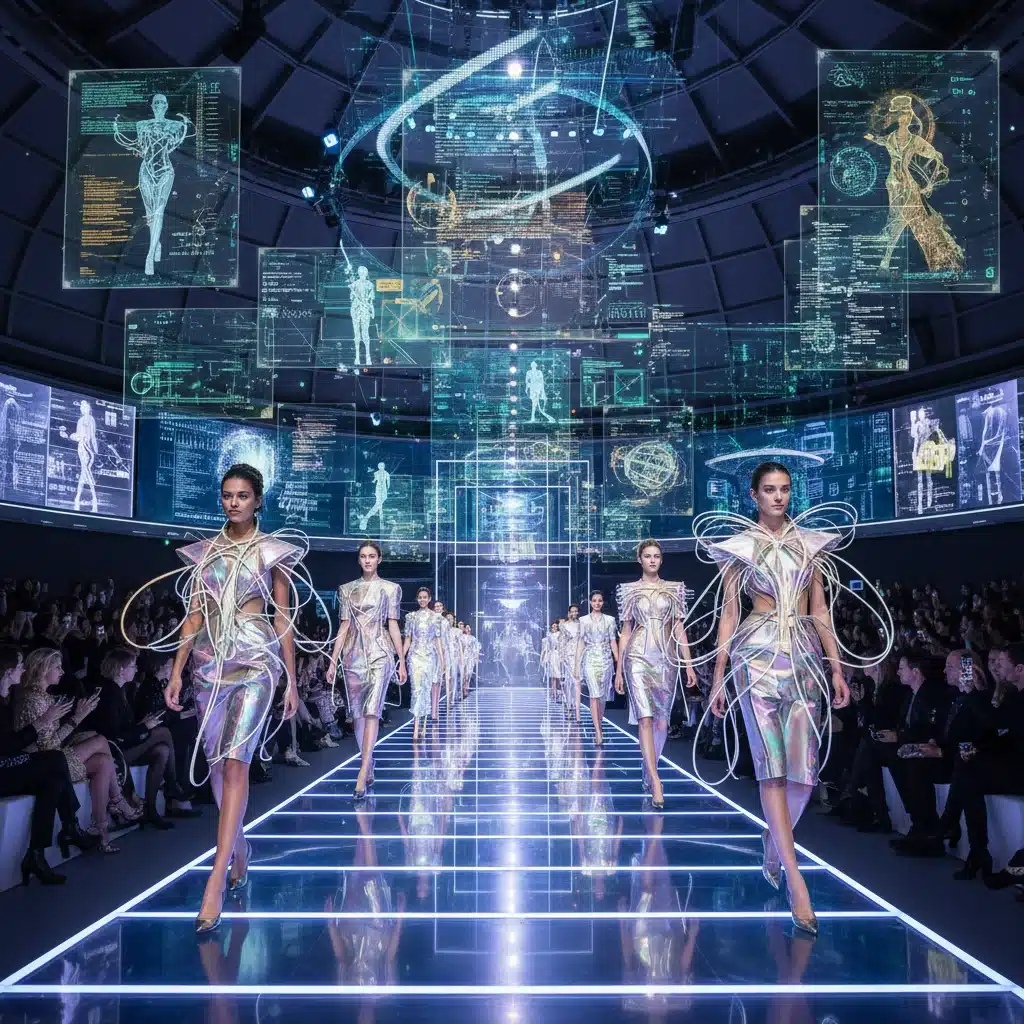
The fashion industry, a realm traditionally driven by intuition and artistic vision, is currently undergoing a profound metamorphosis. At the heart of this transformation lies Artificial Intelligence (AI), a technology that is not merely augmenting human capabilities but fundamentally reshaping how trends are identified, designs are conceived, and clothing is produced and consumed. As we look towards 2026, the impact of AI fashion trends is becoming increasingly evident, promising a future where style is more personalized, sustainable, and responsive than ever before.
For decades, fashion forecasting relied heavily on human expertise, observing street style, analyzing cultural shifts, and interpreting socio-economic indicators. While these elements remain crucial, AI has introduced a new layer of precision and predictive power. By leveraging vast datasets – from social media trends and sales figures to weather patterns and global events – AI algorithms can identify emerging patterns and predict future consumer demand with remarkable accuracy. This predictive analytics capability is not just a marginal improvement; it’s a game-changer, allowing brands to anticipate rather than react, minimizing waste and maximizing relevance.
The Rise of Predictive Analytics in AI Fashion Trends
The core of AI’s influence on fashion lies in its ability to process and interpret massive amounts of data at speeds and scales impossible for humans. Predictive analytics, powered by machine learning algorithms, is now a cornerstone of modern fashion strategy. These algorithms analyze historical sales data, real-time social media mentions, influencer activity, search engine queries, and even news articles to identify nascent trends. For instance, an AI might detect a sudden surge in interest for a particular color or silhouette across various online platforms long before it hits mainstream media.
From Data to Design: Anticipating Consumer Desires
Consider the traditional fashion cycle: designers create collections months in advance, often based on their creative vision and a degree of market research. By the time these collections hit the stores, consumer preferences may have already shifted. AI, however, shortens this gap dramatically. Companies are now using AI to:
- Forecast Demand: Predict which styles, colors, and fabrics will be popular in upcoming seasons, allowing for more precise production planning.
- Identify Micro-Trends: Pinpoint highly localized or niche trends that might otherwise go unnoticed, catering to diverse consumer segments.
- Optimize Inventory: Reduce overproduction and waste by predicting the exact quantity of items needed, minimizing unsold stock.
- Personalize Recommendations: Offer highly tailored product suggestions to individual consumers, increasing satisfaction and sales.
This data-driven approach is not about replacing creativity but rather empowering it. Designers, armed with insights from AI, can focus their efforts on creating pieces that resonate deeply with their target audience, rather than guessing what might sell. This synergistic relationship between human intuition and AI intelligence is defining the landscape of AI fashion trends for 2026 and beyond.
AI-Powered Design Innovations: Reshaping the Creative Process
Beyond prediction, AI is actively participating in the design process itself, fostering unprecedented levels of innovation. Generative AI models, for example, can create entirely new designs, patterns, and even fabric textures based on specific parameters or existing aesthetic principles. This doesn’t mean AI is becoming the next great fashion designer; rather, it’s acting as a powerful co-creator and ideation tool.
Generative Design and Automated Pattern Making
Imagine an AI that can generate thousands of unique dress designs based on a few input variables, such as occasion, desired aesthetic (e.g., minimalist, bohemian), and preferred color palette. This is no longer science fiction. AI tools are capable of:
- Generating Novel Designs: Creating entirely new garment silhouettes, prints, and accessory concepts.
- Iterating on Existing Styles: Rapidly developing variations of a successful design, exploring different cuts, materials, and embellishments.
- Automated Pattern Generation: Translating 2D designs into precise 3D patterns, significantly reducing the time and skill required for this complex task.
- Material Innovation: Suggesting new material combinations or even designing novel textiles with desired properties (e.g., enhanced durability, breathability) based on performance requirements.
This capability allows designers to experiment more freely, explore a broader range of possibilities, and accelerate the design cycle. The collaboration between human designers and AI is leading to a surge in unique and innovative aesthetics, setting new benchmarks for AI fashion trends.

Personalization at Scale: The Future of Consumer Experience
One of the most exciting aspects of AI’s integration into fashion is its ability to deliver hyper-personalized experiences. The days of one-size-fits-all fashion are rapidly fading, replaced by a world where clothing is tailored to individual preferences, body types, and even emotional states. This shift is profoundly impacting how consumers interact with fashion brands and how clothing is perceived.
AI-Driven Customization and Virtual Try-Ons
AI enables a level of personalization that was once unimaginable or prohibitively expensive. In 2026, we can expect:
- Customization Engines: AI-powered platforms that allow consumers to customize garments – choosing fabrics, colors, embellishments, and even fit – with real-time visualization of the final product.
- Virtual Try-On Technologies: Augmented Reality (AR) and Virtual Reality (VR) applications that use AI to accurately superimpose clothing onto a user’s body, providing a realistic preview without needing to physically try on garments. This reduces returns and enhances the online shopping experience.
- AI Stylists: Intelligent algorithms that act as personal stylists, recommending outfits based on a user’s existing wardrobe, body shape, personal style, and even calendar events.
- Sizing Solutions: AI tools that analyze body measurements from photos or 3D scans to recommend the perfect size, addressing a significant pain point in online shopping.
This focus on individual needs and desires is transforming fashion from a mass-market industry into a highly bespoke and intimate experience. The rise of personalized AI fashion trends is not just about convenience; it’s about fostering a deeper connection between consumers and their clothing.
Sustainability and Ethical Practices: AI as an Enabler
The fashion industry has long grappled with its environmental footprint, from excessive waste in production to the ethical concerns of its supply chain. AI offers powerful solutions to these challenges, positioning itself as a key enabler of a more sustainable and ethical future for fashion.
Reducing Waste and Optimizing Supply Chains
AI’s role in sustainability is multifaceted:
- Demand Forecasting for Waste Reduction: As mentioned, accurate prediction of demand directly translates to less overproduction and, consequently, less textile waste ending up in landfills.
- Optimized Material Usage: AI algorithms can analyze fabric patterns and suggest optimal cutting layouts to minimize scrap material during manufacturing.
- Circular Economy Solutions: AI can track garments throughout their lifecycle, identifying opportunities for repair, recycling, or upcycling. It can also match consumers with second-hand items or facilitate peer-to-peer clothing exchanges.
- Ethical Supply Chain Monitoring: AI can analyze vast amounts of data from supply chains to identify and flag potential ethical violations, such as unfair labor practices or unsustainable sourcing.
- Water and Energy Efficiency: AI can optimize manufacturing processes, from dyeing to finishing, to reduce water and energy consumption.
By making fashion more efficient and transparent, AI is helping the industry move towards a more responsible and environmentally conscious model. This commitment to sustainability is a crucial element shaping AI fashion trends for 2026.
Challenges and Considerations in the AI Fashion Revolution
While the benefits of AI in fashion are extensive, its integration is not without its challenges. Addressing these concerns will be critical for the successful and equitable evolution of the industry.
Data Privacy, Bias, and the Human Touch
- Data Privacy: The reliance on vast amounts of consumer data raises legitimate concerns about privacy and data security. Robust regulations and transparent data handling practices will be essential.
- Algorithmic Bias: If the data used to train AI models reflects existing societal biases (e.g., historical underrepresentation of certain body types or ethnicities), the AI’s output can perpetuate or even amplify these biases. Ensuring diverse and inclusive datasets is paramount.
- Job Displacement: As AI automates certain tasks, there are concerns about job displacement in areas like pattern making, trend forecasting, and even some design functions. The focus must shift towards upskilling the workforce and creating new roles that leverage human-AI collaboration.
- Maintaining Creativity and Authenticity: While AI can augment creativity, there’s a delicate balance to strike to ensure that fashion doesn’t become overly homogenized or lose its inherent human artistic expression. The ‘soul’ of fashion must be preserved.
Navigating these challenges requires a thoughtful approach, focusing on ethical AI development, continuous education, and a commitment to human-centric design principles. The evolution of AI fashion trends will depend on how effectively these issues are addressed.
The Future of Fashion: A Symbiotic Relationship with AI
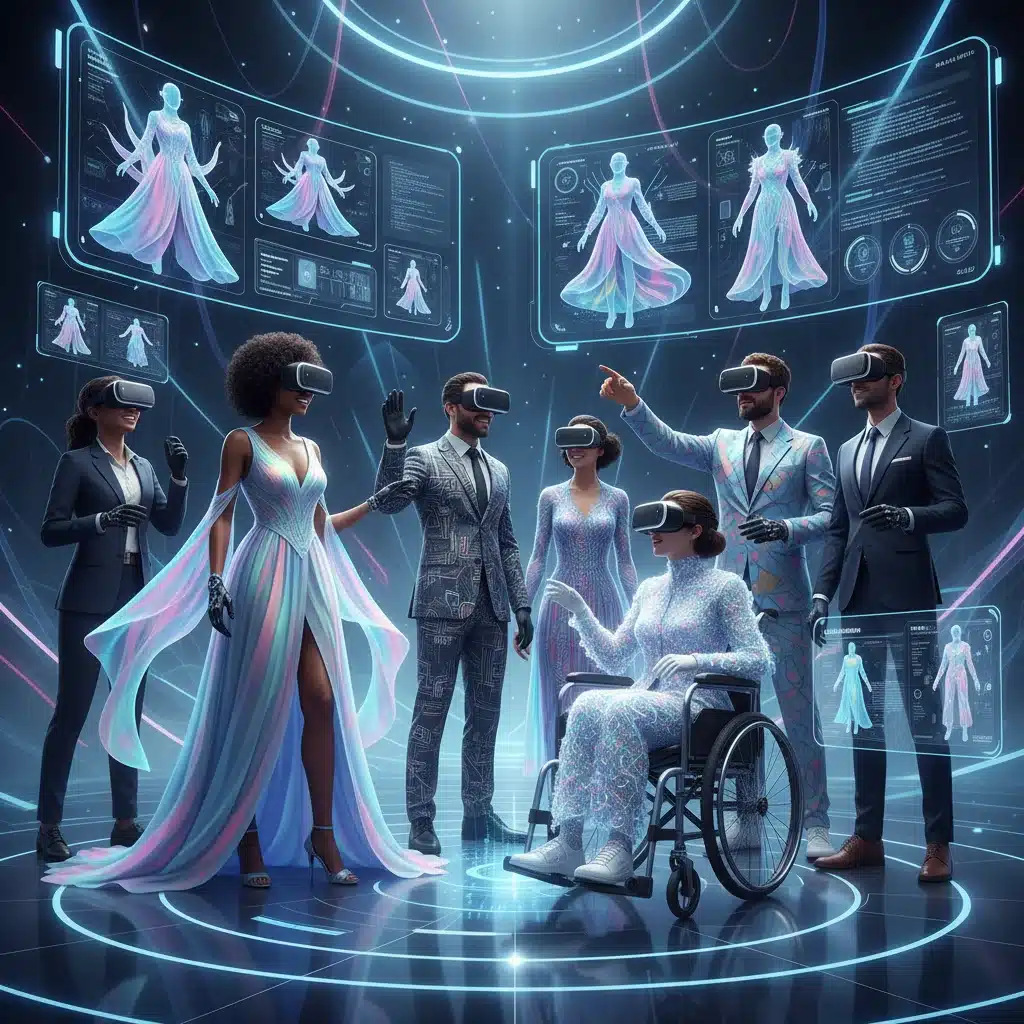
Looking ahead to 2026 and beyond, it’s clear that AI will not just be a tool in the fashion industry; it will be an integral partner. The symbiotic relationship between human creativity and artificial intelligence will unlock new possibilities, redefine traditional roles, and create a more dynamic, responsive, and responsible fashion ecosystem.
Emerging Technologies and Future Outlook
- Digital Fashion and NFTs: AI will play a crucial role in designing and creating digital garments and accessories, which can be worn in virtual environments or sold as Non-Fungible Tokens (NFTs), opening up new revenue streams and creative avenues.
- Robotics in Manufacturing: AI-powered robots will increasingly handle repetitive tasks in garment production, improving efficiency and precision, and potentially bringing manufacturing closer to consumption points.
- Smart Textiles: AI will contribute to the development of smart textiles that can adapt to environmental changes, monitor health, or even display dynamic patterns, blurring the lines between clothing and technology.
- Hyper-Localized Trends: AI’s ability to analyze highly granular data will lead to the emergence of ultra-specific, hyper-localized fashion trends, catering to micro-communities and individual preferences like never before.
The fashion industry of 2026 will be characterized by unprecedented agility, personalization, and a deep commitment to sustainability, all powered by the intelligent application of AI. From the initial spark of inspiration to the final garment in a consumer’s closet, AI will be woven into every thread of the fashion narrative.
Conclusion: Embracing the AI-Driven Fashion Revolution
The impact of AI on fashion trends in 2026 is not merely incremental; it’s revolutionary. Predictive analytics is transforming forecasting, generative AI is sparking unprecedented design innovations, and hyper-personalization is redefining the consumer experience. Moreover, AI is proving to be an indispensable ally in the industry’s crucial pivot towards sustainability and ethical practices.
While challenges related to data privacy, bias, and the evolving nature of work remain, the overarching trajectory is clear: AI will continue to empower human creativity, optimize operational efficiencies, and foster a more connected and conscientious fashion world. Brands and designers who embrace these advancements will not only stay ahead of the curve but will actively shape the future of style. The era of AI fashion trends is here, and it promises a future that is as intelligent as it is fashionable.