Future of Denim: 4 Innovative Trends Shaping Jeanswear in 2026
Anúncios
The Future of Denim: 4 Innovative Trends Shaping Jeanswear in 2026
Denim. It’s more than just a fabric; it’s a cultural icon, a wardrobe staple, and a symbol of rebellion, utility, and timeless style. From its humble beginnings as workwear in the 19th century to its omnipresence on runways and streets worldwide, denim has consistently evolved. But what does the future hold for this beloved textile? As we fast-forward to 2026, the landscape of jeanswear is set to undergo a profound transformation, driven by technological advancements, environmental consciousness, and a renewed focus on individuality. This article delves into the most compelling and innovative Future Denim Trends that will redefine how we wear, produce, and perceive our favorite blue (and sometimes not-so-blue) fabric.
The fashion industry, often criticized for its environmental impact and fast-paced consumption cycles, is at a pivotal moment. Denim, being one of the most resource-intensive garments to produce, is at the forefront of this necessary revolution. Brands, designers, and consumers alike are demanding more from their denim – more sustainability, more functionality, more personalization, and more longevity. These demands are not just whispers; they are driving forces behind the four major trends we will explore, each promising to reshape the industry in significant ways. Understanding these Future Denim Trends is crucial not only for industry professionals but also for conscious consumers eager to make informed choices.
Anúncios
1. Sustainable and Regenerative Denim: A Greener Blue
The conversation around sustainability in fashion has reached a fever pitch, and denim is no exception. The traditional production of denim has long been associated with significant environmental footprints, from excessive water consumption in cotton cultivation and dyeing processes to the use of harmful chemicals and substantial waste generation. However, the Future Denim Trends of 2026 are unequivocally leaning towards a greener, more responsible approach, embracing sustainable and regenerative practices at every stage of the supply chain.
1.1. Water-Saving Technologies and Circular Water Systems
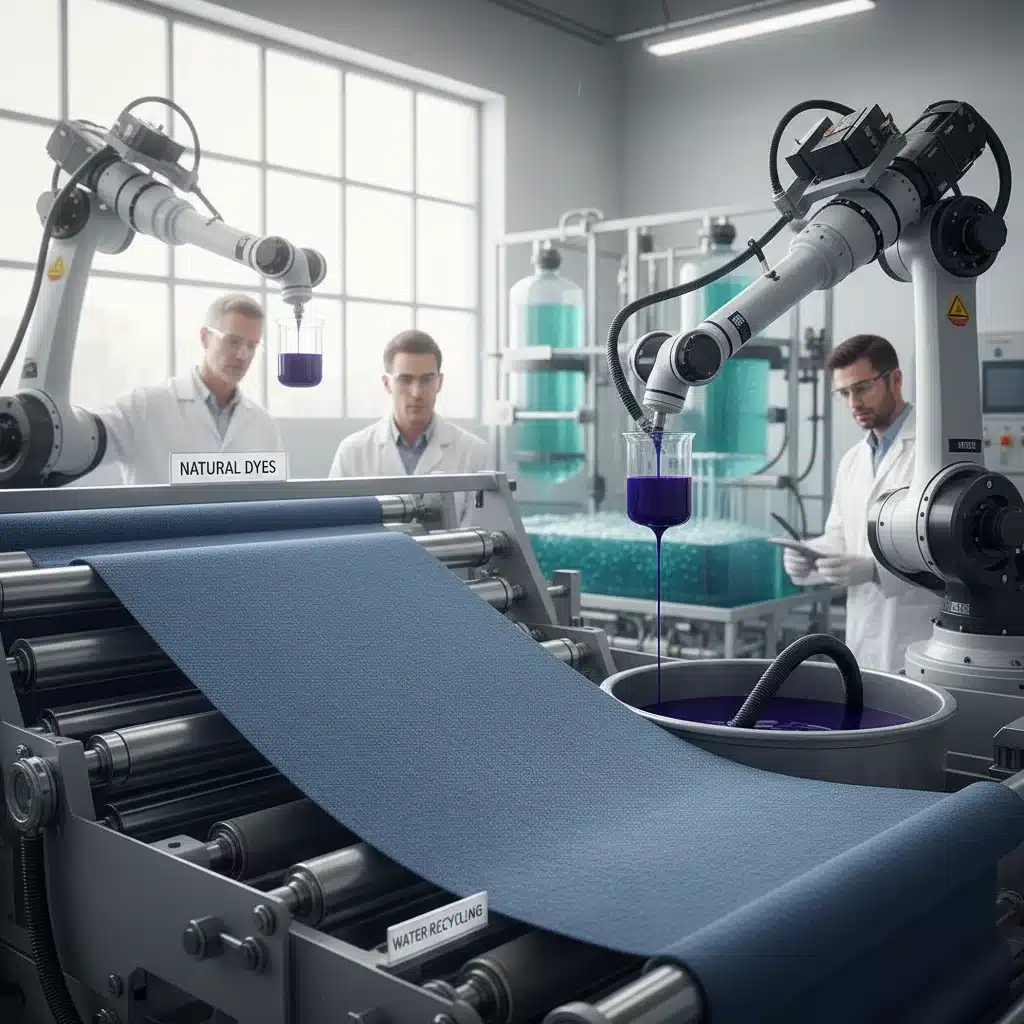
Water scarcity is a global crisis, and the denim industry is notorious for its water-intensive processes. Producing a single pair of jeans can require thousands of liters of water. By 2026, expect widespread adoption of advanced water-saving technologies. This includes laser finishing, ozone washing, and foam dyeing, which drastically reduce water usage compared to conventional methods. More ambitiously, circular water systems, where wastewater is treated and reused within the same facility, will become standard. Companies are investing heavily in these closed-loop systems, not just for compliance but as a core business imperative, making ‘waterless’ denim a tangible reality. This shift is a cornerstone of the sustainable Future Denim Trends.
Anúncios
1.2. Eco-Friendly Fibers and Regenerative Agriculture
Beyond water, the raw materials themselves are undergoing a revolution. Organic cotton, which eliminates harmful pesticides and synthetic fertilizers, will be a baseline. However, the real innovation lies in regenerative agriculture practices for cotton farming. This approach focuses on improving soil health, biodiversity, and carbon sequestration, effectively turning cotton fields into carbon sinks. Furthermore, alternative fibers such as hemp, Tencel™ Lyocell, recycled cotton (post-consumer and pre-consumer), and even innovative bio-based materials derived from algae or agricultural waste will gain significant traction. These materials offer superior environmental profiles and often boast enhanced comfort and durability, positioning them as key components of future denim.
1.3. Non-Toxic Dyes and Finishing
The iconic indigo dye process is another area ripe for innovation. Traditional dyeing often involves synthetic indigo and a cocktail of chemicals that can be harmful to workers and the environment. By 2026, expect a surge in natural dyes derived from plants, minerals, or even bacteria. Biotechnology will play a crucial role in developing cleaner, more efficient dyeing methods. Furthermore, finishing techniques will move away from harsh chemicals, embracing enzyme washes, natural softeners, and laser distressing that achieve desired aesthetics without environmental compromise. These advancements are critical for truly sustainable Future Denim Trends.
2. Smart Denim and Wearable Technology Integration
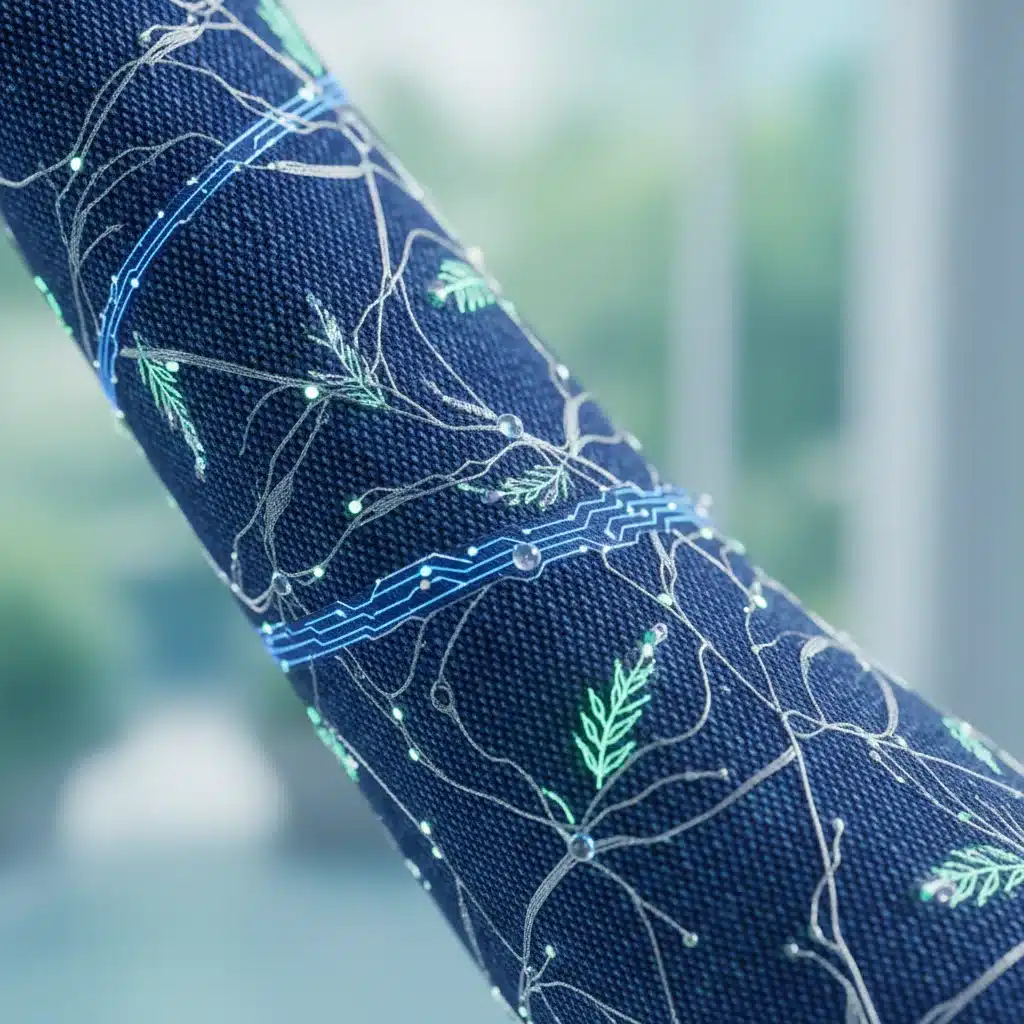
The convergence of fashion and technology is accelerating, and denim is perfectly positioned to embrace this evolution. Smart denim, once a futuristic concept, is quickly becoming a reality, promising to add functionality, interactivity, and unprecedented convenience to our everyday wear. These technological advancements are set to be a defining characteristic of the Future Denim Trends.
2.1. Integrated Sensors for Health and Wellness
Imagine jeans that can monitor your vital signs, track your activity levels, or even offer posture correction. By 2026, denim embedded with discreet, flexible sensors will move beyond novelty into practical applications. These sensors could track heart rate, respiration, body temperature, and even muscle activity, transmitting data seamlessly to your smartphone or other connected devices. This could be particularly beneficial for athletes, individuals with specific health conditions, or anyone interested in a more holistic approach to personal wellness, making denim an active participant in health management.
2.2. Interactive and Customizable Fabrics
The concept of static clothing is becoming outdated. The Future Denim Trends include interactive fabrics that can change color, display patterns, or even light up based on external stimuli or user preferences. Think of jeans that can subtly shift their hue to match your mood or glow gently for enhanced visibility during evening activities. This will be achieved through advanced conductive fibers, electrochromic materials, and miniature LEDs woven directly into the fabric, offering a level of personalization and dynamic expression previously unimaginable. Such innovations transform denim from a mere garment into an extension of personal style and technology.
2.3. Enhanced Durability and Self-Repairing Properties
One of the most practical applications of smart textiles in denim will be enhanced durability and self-repairing capabilities. Nanotechnology and advanced polymer science are paving the way for denim that is more resistant to tears, abrasions, and stains. Furthermore, researchers are developing fabrics that can detect minor damage and initiate self-healing processes, extending the lifespan of garments significantly. This not only reduces waste but also enhances the value proposition of denim, aligning with both sustainability goals and consumer demand for long-lasting products. This trend directly addresses the lifecycle of denim, a crucial aspect of sustainable fashion.
3. Hyper-Personalization and Bespoke Denim Experiences
In an era of mass production, consumers are increasingly seeking unique, personalized products that reflect their individual identity. The Future Denim Trends of 2026 will see a dramatic surge in hyper-personalization, moving beyond simple alterations to truly bespoke denim experiences, powered by data and advanced manufacturing techniques.
3.1. 3D Body Scanning and AI-Driven Fit
The perfect fit is the holy grail of denim. By 2026, 3D body scanning technology will be widely accessible in retail environments and even via home-based apps. This technology captures precise body measurements, which are then fed into AI algorithms that recommend the ideal cut, rise, and leg style for each individual. This eliminates the guesswork of sizing, reduces returns, and ensures an unparalleled level of comfort and aesthetic appeal. This hyper-accurate fitting is a game-changer for consumer satisfaction and a core element of personalized Future Denim Trends.
3.2. Custom Design and On-Demand Manufacturing
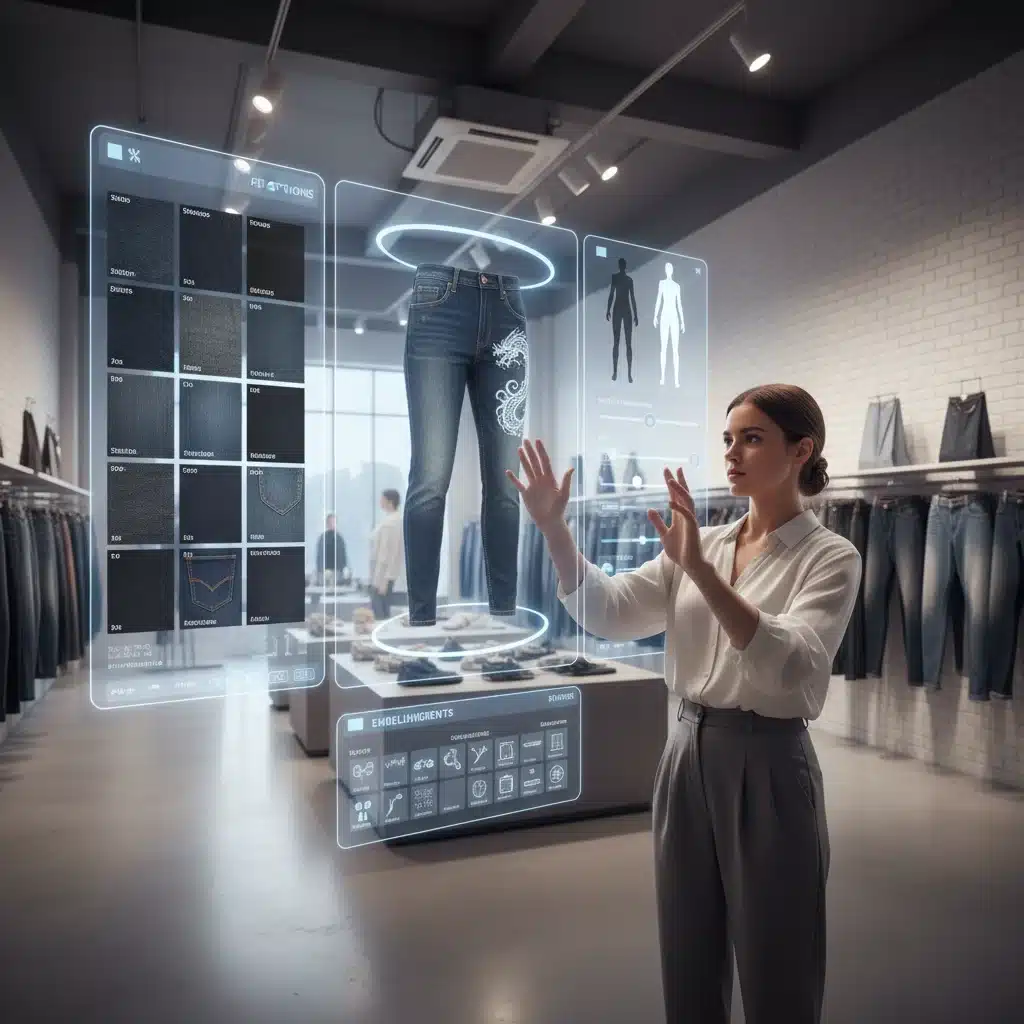
Online platforms and in-store design studios will allow individuals to customize every aspect of their jeans: fabric wash, distressing patterns, embroidery, hardware (buttons, rivets), and even unique pocket designs. This on-demand manufacturing model, often utilizing localized micro-factories or advanced digital printing techniques, reduces waste associated with overproduction and allows for truly unique, one-of-a-kind garments. This shift empowers the consumer to be a co-creator, not just a buyer.
3.3. Digital Avatars and Virtual Try-Ons
The rise of the metaverse and augmented reality (AR) will profoundly impact how we shop for denim. Consumers will create digital avatars that accurately represent their body shape and size. These avatars can then virtually ‘try on’ different denim styles, washes, and fits in a realistic digital environment, eliminating the need for physical try-ons and reducing purchase hesitancy. This immersive shopping experience not only enhances convenience but also allows for experimentation with styles before committing to a purchase, making it an exciting aspect of the Future Denim Trends.
4. Circular Economy and Longevity: Denim’s Enduring Cycle
The linear ‘take-make-dispose’ model of fashion is unsustainable. The Future Denim Trends of 2026 will be heavily influenced by the principles of the circular economy, focusing on maximizing the lifespan of garments and ensuring materials are kept in use for as long as possible, minimizing waste and resource depletion.
4.1. Advanced Recycling Technologies for Denim
Recycling denim has historically been challenging due to mixed fiber compositions and the difficulty of separating dyes from fibers. However, by 2026, advanced recycling technologies will be commonplace. This includes mechanical recycling that can handle higher percentages of post-consumer waste without compromising fiber quality, as well as chemical recycling processes that break down denim to its molecular components, allowing for the creation of new, virgin-quality fibers. These innovations are crucial for closing the loop and significantly reducing the environmental impact of denim production.
4.2. Repair, Resale, and Upcycling Initiatives
Brands will increasingly embrace and facilitate the repair, resale, and upcycling of denim garments. Repair services, either in-house or through partnerships, will become more accessible, encouraging consumers to mend rather than discard. Resale platforms, both brand-owned and third-party, will thrive, giving pre-loved denim a second (or third) life. Upcycling, where old denim is transformed into new products, will also gain momentum, driven by both creative designers and consumer demand for unique, sustainable items. These initiatives promote longevity and reduce textile waste, embodying the spirit of the circular economy within Future Denim Trends.
4.3. Digital Product Passports and Transparency
To truly enable a circular economy, transparency is key. Digital product passports, powered by blockchain technology or QR codes, will become standard for denim products. These passports will provide comprehensive information about a garment’s origin, materials used, manufacturing processes, environmental impact, and care instructions. This data will empower consumers to make informed choices, facilitate easier recycling, and enable brands to track and manage their products throughout their lifecycle, ensuring accountability and promoting responsible consumption.
Conclusion: A Sustainable, Smart, and Personalized Denim Future
The future of denim is undeniably exciting. The Future Denim Trends of 2026 paint a picture of an industry undergoing a radical transformation, driven by an imperative for sustainability, a thirst for technological integration, and an unwavering demand for personalization. From waterless production and regenerative fibers to smart sensors and bespoke designs, denim is evolving from a simple garment into a sophisticated, responsible, and highly interactive experience.
Consumers will no longer just buy jeans; they will invest in a product with a transparent lifecycle, a minimal environmental footprint, and potentially even embedded technology that enhances their daily lives. Brands that embrace these innovations will not only thrive but will also contribute to a more sustainable and ethical fashion ecosystem. The iconic blue fabric is not fading away; it’s reinventing itself, promising a future where style, sustainability, and smart functionality coalesce into the ultimate wardrobe essential. Get ready to experience denim like never before – a true testament to innovation and conscious consumption.