Sustainable Beauty Essentials: Your Eco-Conscious Guide for 2026
In an era where environmental consciousness is no longer a niche concern but a global imperative, the beauty industry is undergoing a profound transformation. Consumers are increasingly scrutinizing the origins, ingredients, and packaging of their beloved beauty products, leading to a surge in demand for sustainable beauty essentials. As we look towards 2026, the landscape of eco-conscious beauty is evolving rapidly, offering innovative solutions that prioritize both personal well-being and planetary health. This comprehensive guide will delve into what truly defines sustainable beauty, why it matters more than ever, and how you can integrate these essential practices into your daily routine.
The journey towards a more sustainable lifestyle often begins with small, informed choices. When it comes to beauty, these choices can have a significant collective impact. From the ingredients sourced to the manufacturing processes, and ultimately to the product’s end-of-life, every step in the beauty supply chain presents an opportunity for greater sustainability. Understanding the nuances of this complex industry is key to making genuinely eco-conscious decisions. This article aims to equip you with the knowledge and tools to identify and embrace the best sustainable beauty essentials available in 2026.
What Defines Sustainable Beauty in 2026?
The term ‘sustainable beauty’ is broad, encompassing a multitude of factors that go beyond just ‘natural’ or ‘organic’ ingredients. In 2026, a truly sustainable beauty product adheres to a holistic set of principles:
Ethical Sourcing and Ingredients
At the heart of sustainable beauty essentials lies the origin of their ingredients. This involves:
- Renewable Resources: Prioritizing ingredients derived from sources that can be replenished naturally without depleting ecosystems.
- Fair Trade Practices: Ensuring that farmers and workers involved in ingredient harvesting receive fair wages and work in safe conditions. This prevents exploitation and supports local communities.
- Biodiversity Protection: Avoiding ingredients that contribute to deforestation, habitat destruction, or the endangerment of species.
- Non-Toxic Formulations: Products free from harmful chemicals, parabens, phthalates, sulfates, and synthetic fragrances that can negatively impact human health and aquatic ecosystems.
- Cruelty-Free: Products that have not been tested on animals.
- Vegan: Products that do not contain any animal-derived ingredients.
Eco-Friendly Manufacturing and Production
The production process itself is a critical component of sustainability:
- Reduced Carbon Footprint: Brands employing renewable energy sources, optimizing logistics to minimize transportation emissions, and investing in carbon offsetting programs.
- Water Conservation: Implementing water-efficient manufacturing processes and responsible wastewater management.
- Waste Reduction: Minimizing waste generated during production through recycling, upcycling, and efficient resource utilization.
Sustainable Packaging Solutions
Packaging is perhaps one of the most visible aspects of a brand’s commitment to sustainability. In 2026, the focus is on:
- Recyclable Materials: Using glass, aluminum, and certain plastics that can be easily recycled through existing infrastructure.
- Recycled Content: Incorporating Post-Consumer Recycled (PCR) materials into new packaging to reduce demand for virgin resources.
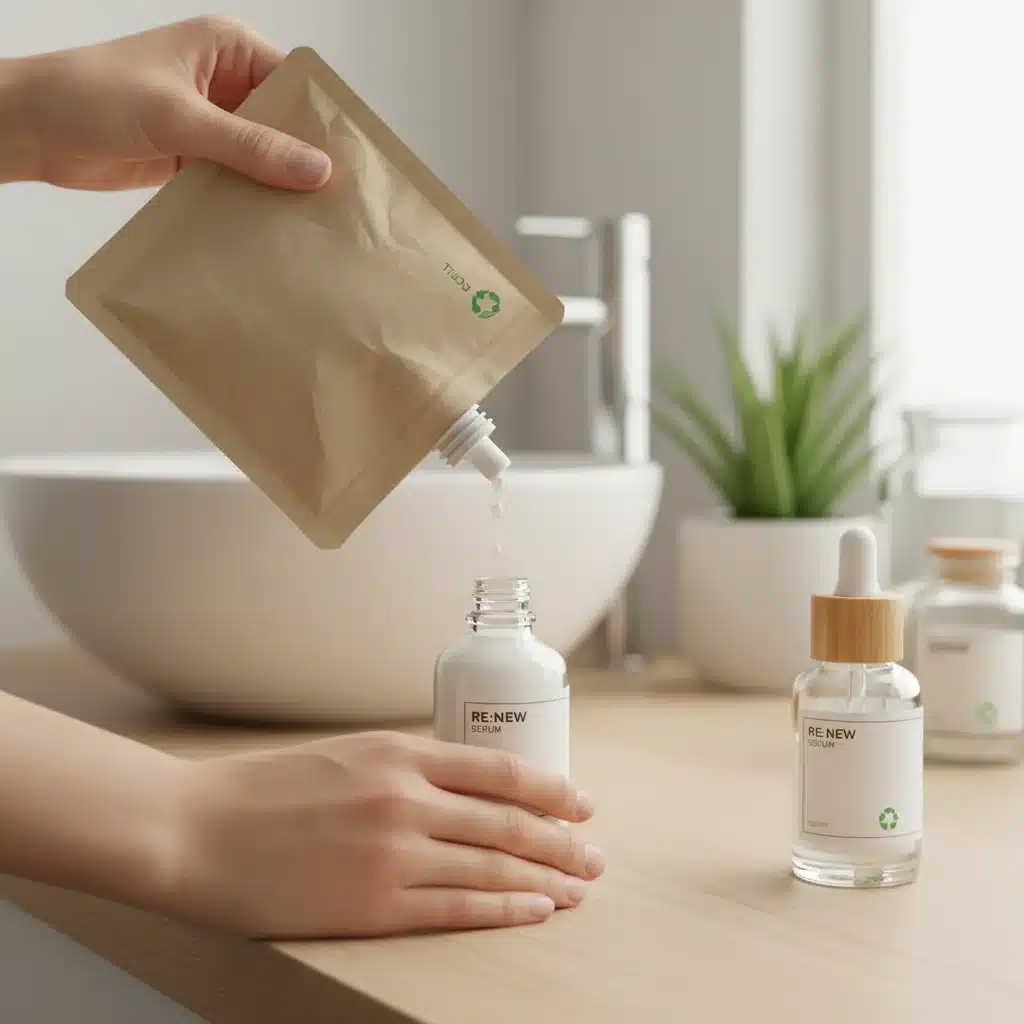
- Refillable Systems: Innovative solutions like refillable containers for skincare, makeup, and haircare, drastically reducing single-use plastic waste. This is a rapidly growing trend among sustainable beauty essentials.
- Biodegradable/Compostable Packaging: Exploring materials that naturally break down without harming the environment, such as mushroom packaging or seed paper.
- Minimalist Packaging: Reducing unnecessary layers, inserts, and excessive branding to decrease material usage.
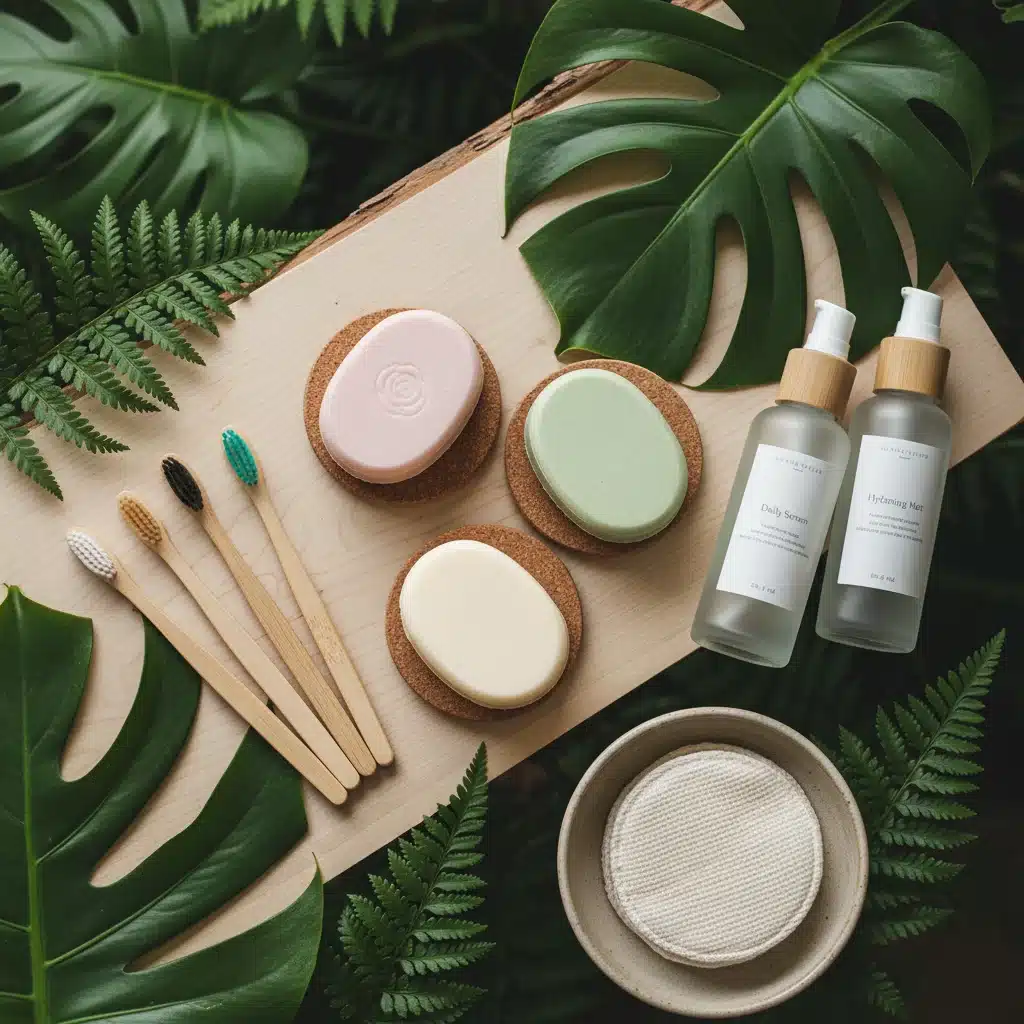
- Waterless Formulations: Concentrated products like solid bars (shampoo, conditioner, cleanser) that eliminate the need for plastic bottles and reduce transportation weight.
Transparency and Certifications
A truly sustainable brand is transparent about its practices and often backed by credible certifications. Look for:
- Third-Party Certifications: Labels from organizations like Ecocert, USDA Organic, Leaping Bunny, B Corp, and Cradle to Cradle, which verify adherence to specific environmental and ethical standards.
- Clear Communication: Brands that openly share information about their supply chain, ingredient sourcing, manufacturing processes, and sustainability goals.
Why Choose Sustainable Beauty Essentials Now?
The reasons for transitioning to sustainable beauty essentials are multifaceted, impacting both personal health and the health of our planet:
Environmental Impact
The traditional beauty industry has a significant environmental footprint, from resource extraction to plastic pollution. By choosing sustainable options, you contribute to:
- Reduced Waste: Less plastic ending up in landfills and oceans.
- Lower Carbon Emissions: Supporting brands with eco-conscious manufacturing.
- Preservation of Biodiversity: Protecting natural habitats and ecosystems.
- Cleaner Waterways: Avoiding harmful chemicals that wash down drains and pollute water sources.
Health Benefits
Many conventional beauty products contain ingredients that can be detrimental to human health. Sustainable alternatives often prioritize natural, non-toxic formulations, leading to:
- Fewer Irritants: Reduced exposure to synthetic fragrances, dyes, and harsh chemicals that can cause skin sensitivities and allergic reactions.
- Endocrine Disruptor Avoidance: Minimizing contact with chemicals like phthalates and parabens, which have been linked to hormonal imbalances.
- Overall Well-being: A sense of peace knowing you are applying safe, ethically produced products to your skin.
Ethical Considerations
Choosing sustainable beauty extends beyond environmental concerns to encompass ethical treatment of people and animals:
- Fair Labor: Supporting brands that ensure fair wages and safe working conditions for their employees and suppliers.
- Animal Welfare: Opting for cruelty-free products that have not been tested on animals.
Top Sustainable Beauty Essentials to Embrace in 2026
The market for sustainable beauty essentials is flourishing, offering an array of innovative and effective products. Here are some categories and specific examples to consider:
1. Skincare: The Foundation of Sustainable Beauty
Your skin is your largest organ, and what you put on it matters. Sustainable skincare focuses on potent, natural ingredients and responsible packaging.
- Refillable Moisturizers and Serums: Brands like Fenty Skin, Kjaer Weis, and By Humankind are leading the way with elegant, effective refill systems. Invest in a beautiful, durable outer casing and simply purchase refills.
- Waterless Cleansing Bars: Solid facial cleansers from brands like Ethique or HiBAR eliminate plastic bottles and often last longer than liquid alternatives.
- Upcycled Ingredient Products: Look for brands that utilize ingredients derived from food industry by-products, reducing waste and creating potent new formulations. Examples include coffee grounds, fruit seeds, and olive pits.
- Mineral Sunscreens: Opt for zinc oxide and titanium dioxide-based sunscreens that are reef-safe and don’t harm marine life. Brands like Supergoop! (with some sustainable packaging options) and Badger Balm are good choices.
- Reusable Cotton Rounds: Replace single-use cotton pads with reusable, washable bamboo or organic cotton rounds for applying toners or removing makeup.
2. Haircare: From Lather to Lush, Sustainably
The haircare industry is making huge strides in sustainability, particularly with waterless formulations and innovative packaging.
- Solid Shampoo and Conditioner Bars: These are arguably the most impactful sustainable beauty essentials for haircare. Brands like Lush, Ethique, and Viori offer a wide range for different hair types, lasting for months and completely eliminating plastic bottles.
- Refillable Liquid Shampoos and Conditioners: For those who prefer liquids, many brands now offer large refill pouches or return-and-refill programs.
- Bamboo Hairbrushes and Combs: A simple swap that reduces plastic use and is often biodegradable.
- Dry Shampoo Powders: Reduce water usage and extend time between washes with talc-free, aerosol-free dry shampoo powders packaged in cardboard or metal shakers.
3. Makeup: Conscious Color and Coverage
The makeup sector is catching up, with brands offering ethical pigments and packaging.
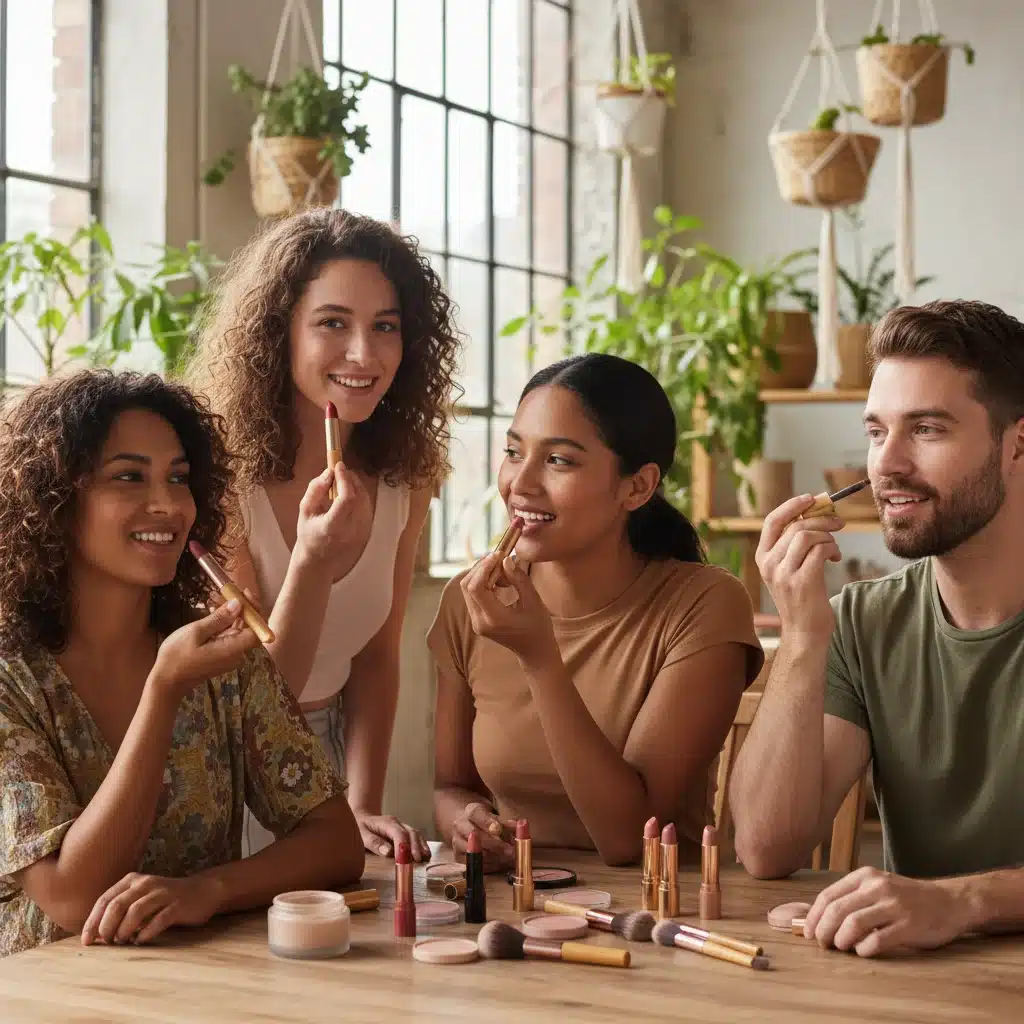
- Refillable Palettes and Compacts: Brands like Kjaer Weis, Hourglass, and ZAO Makeup offer beautiful, durable compacts for eyeshadows, blushes, and foundations that can be refilled when empty. This significantly reduces packaging waste.
- Clean Ingredient Foundations and Concealers: Seek out formulations free from silicones, parabens, and synthetic dyes. Brands like ILIA, Kosas, and Saie are known for their clean beauty offerings.
- Bamboo-Handled Brushes: A sustainable alternative to plastic brushes, often with synthetic (cruelty-free) bristles.
- Eco-Friendly Lipsticks: Look for brands using plant-based waxes, natural pigments, and often housed in refillable tubes or biodegradable packaging.
- Mascara with Recycled Components: Some brands are now incorporating PCR plastic into their mascara tubes or offering refillable mascara wands.
4. Body Care: Nourishing Sustainably from Head to Toe
Extend your sustainable choices to your daily body care routine.
- Solid Soap Bars: A classic and highly sustainable choice, often wrapped in paper. Look for artisan soaps with natural ingredients.
- Reusable Razors: Safety razors with replaceable blades significantly reduce plastic waste from disposable razors.
- Compostable Deodorants: Many brands now offer natural deodorants in compostable cardboard tubes.
- Body Lotions in Refillable or Glass Containers: Opt for brands that provide large refill options or package their lotions in easily recyclable glass or aluminum.
How to Transition to Sustainable Beauty in 2026: A Step-by-Step Guide
Making the switch to sustainable beauty essentials doesn’t have to happen overnight. Here’s a practical approach:
1. Start Small, Replace Gradually
Don’t throw out all your current products. As you run out of an item, research and replace it with a sustainable alternative. This prevents waste and allows you to discover what works best for you.
2. Read Labels and Do Your Research
Become an ingredient detective. Familiarize yourself with common harmful chemicals and look for transparency in brands. Utilize apps like Think Dirty or EWG’s Skin Deep to scan product barcodes and assess their safety and sustainability ratings.
3. Prioritize Refillable and Reusable Options
This is one of the most impactful changes you can make. Seek out brands offering refillable packaging for skincare, makeup, and haircare. Invest in reusable items like cotton rounds and safety razors.
4. Support Certified Brands
Look for third-party certifications like B Corp, Leaping Bunny (cruelty-free), Ecocert (organic), and Forest Stewardship Council (FSC) for paper packaging. These certifications provide assurance of a brand’s commitment to ethical and environmental standards.
5. Embrace Waterless Formulas
Solid bars for shampoo, conditioner, body wash, and even some facial cleansers are excellent for reducing water content in products (which means less weight to ship, reducing carbon footprint) and eliminating plastic bottles.
6. Understand Your Recycling Capabilities
Know what your local recycling facility accepts. Many beauty product components, especially small ones or those made of mixed materials, are not easily recyclable curb-side. Look for brands with take-back programs or utilize specialized recycling services like TerraCycle.
7. Value Quality Over Quantity
A minimalist approach to beauty often aligns with sustainability. Invest in fewer, high-quality, multi-tasking products that truly work for you. This reduces consumption and waste.
8. Be Wary of Greenwashing
As sustainable beauty gains popularity, so does ‘greenwashing’ – brands making misleading claims about their environmental practices. Look for concrete evidence, certifications, and transparency, rather than just buzzwords like ‘natural’ or ‘eco-friendly’ without substance.
The Future of Sustainable Beauty: What to Expect Beyond 2026
The trajectory for sustainable beauty essentials is one of continuous innovation and deeper integration into mainstream practices. Looking beyond 2026, we can anticipate:
- Advanced Biomaterials: Development of even more sophisticated biodegradable and compostable packaging materials derived from algae, agricultural waste, or mycelium (mushroom roots).
- Hyper-Personalization with Sustainability: Custom beauty solutions that not only cater to individual needs but also minimize waste through on-demand production and precise ingredient usage.
- Circular Economy Models: Brands will increasingly adopt closed-loop systems where every material is reused, recycled, or biodegraded, eliminating waste entirely.
- Carbon-Negative Beauty: Companies not just reducing carbon emissions but actively removing more carbon from the atmosphere than they emit.
- Enhanced Traceability: Blockchain technology and other digital tools will provide consumers with even greater transparency into the entire supply chain of their beauty products, from farm to face.
Addressing Common Misconceptions About Sustainable Beauty
Despite its growing popularity, sustainable beauty still faces some misconceptions. Let’s clarify a few:
Misconception 1: Sustainable Beauty is Always More Expensive
While some high-end sustainable brands can be pricey, many affordable options exist, especially with solid bars and refill systems. In the long run, concentrated formulas often last longer, providing better value. The initial investment in a refillable compact or safety razor pays off over time.
Misconception 2: Natural Ingredients are Always Safe and Effective
Just because an ingredient is natural doesn’t automatically mean it’s safe or effective for everyone. Poison ivy is natural, but you wouldn’t put it on your face! Conversely, some synthetic ingredients are perfectly safe and can even be more sustainable than their natural counterparts (e.g., lab-grown ingredients that don’t deplete natural resources). It’s about informed choices, not just ‘natural’ labels.
Misconception 3: Sustainable Products Don’t Perform as Well
This is a rapidly outdated notion. Advancements in green chemistry and formulation science mean that today’s sustainable beauty essentials often perform on par with, or even surpass, conventional products. Many clean beauty brands are celebrated for their efficacy and luxurious feel.
Misconception 4: One Person’s Choices Don’t Make a Difference
Every conscious purchase sends a signal to the market, encouraging more brands to adopt sustainable practices. Collective consumer demand is a powerful force driving positive change in the industry. Your choices absolutely matter.
Conclusion: Your Role in the Sustainable Beauty Revolution of 2026
The shift towards sustainable beauty essentials is more than just a trend; it’s a fundamental re-evaluation of our relationship with consumption and the planet. As we navigate 2026 and beyond, the choices we make in our beauty routines have significant implications. By opting for products that are ethically sourced, responsibly manufactured, and thoughtfully packaged, you become an active participant in building a healthier, more equitable future.
Embracing sustainable beauty is a journey, not a destination. It involves continuous learning, questioning, and adapting. But with the wealth of innovative and effective sustainable beauty essentials now available, making eco-conscious choices has never been easier or more rewarding. Start today, and join the growing movement of individuals who are proving that beauty doesn’t have to cost the Earth.