Top Vitamin C Serums 2026: Unveiling Radiant Skin
Top Vitamin C Serums 2026: Your Guide to Radiant Skin
In the ever-evolving world of skincare, certain ingredients stand the test of time, proving their efficacy and cementing their place as staples in our routines. Among these, vitamin C reigns supreme. Revered for its potent antioxidant properties and unparalleled ability to transform complexions, vitamin C serum has become a non-negotiable for anyone seeking brighter, firmer, and more even-toned skin. As we step into 2026, the market is brimming with innovative formulations, making the choice of the best vitamin C serums more exciting and challenging than ever. This comprehensive guide will navigate you through the top contenders, delve into the science behind this powerhouse ingredient, and equip you with the knowledge to select the perfect serum to unlock your most radiant glow yet.
The quest for flawless skin is a journey, not a destination, and vitamin C is a powerful ally on this path. Its multifaceted benefits extend beyond simple brightening, offering protection against environmental aggressors, stimulating collagen production, and diminishing the appearance of fine lines and wrinkles. But with so many options available, how do you discern the truly effective from the merely hyped? Our mission is to cut through the noise, providing you with expertly curated insights into the best vitamin C serums that are set to dominate the skincare landscape in 2026.
The Science Behind the Glow: Why Vitamin C is a Skincare Superstar
Before we dive into our top picks for the best vitamin C serums, it’s essential to understand what makes this ingredient so indispensable. Vitamin C, or L-Ascorbic Acid in its most potent form, is a powerful antioxidant. This means it actively combats free radicals – unstable molecules generated by exposure to UV radiation, pollution, and other environmental stressors. Free radicals are notorious for causing oxidative stress, which leads to premature aging, hyperpigmentation, and a dull complexion.
By neutralizing these free radicals, vitamin C protects your skin cells from damage, effectively acting as a shield against environmental aggressors. But its benefits don’t stop there. Vitamin C is also a crucial co-factor in collagen synthesis. Collagen, the most abundant protein in our skin, is responsible for its firmness and elasticity. As we age, collagen production naturally declines, leading to sagging skin and the formation of wrinkles. Regular application of a high-quality vitamin C serum can help boost collagen production, leading to plumper, more youthful-looking skin.
Furthermore, vitamin C is a tyrosinase inhibitor. Tyrosinase is an enzyme involved in the production of melanin, the pigment responsible for skin color. By inhibiting tyrosinase, vitamin C helps to reduce the appearance of dark spots, sun spots, and post-inflammatory hyperpigmentation, leading to a more even and radiant skin tone. This triple threat of antioxidant protection, collagen boosting, and brightening makes vitamin C an unparalleled ingredient for comprehensive skin health.
Understanding these scientific principles is key to appreciating the value of incorporating the best vitamin C serums into your daily routine. It’s not just about a temporary glow; it’s about long-term skin health and resilience.
What to Look for in the Best Vitamin C Serums (2026 Edition)
With a plethora of options on the market, choosing the best vitamin C serums can feel overwhelming. However, by understanding a few key factors, you can make an informed decision that caters to your skin’s specific needs. Here’s what to consider:
1. Form of Vitamin C
- L-Ascorbic Acid (L-AA): This is the purest and most potent form of vitamin C. It’s highly effective but also the most unstable, meaning it can oxidize quickly when exposed to light, air, and heat. Look for serums with a concentration between 10-20% for optimal results.
- Sodium Ascorbyl Phosphate (SAP): A stable, water-soluble derivative that’s gentler on the skin and less prone to oxidation. It’s particularly good for acne-prone skin due to its antimicrobial properties.
- Magnesium Ascorbyl Phosphate (MAP): Another stable, water-soluble derivative, known for its hydrating and collagen-boosting properties. It’s less irritating than L-AA.
- Ascorbyl Glucoside: A stable, water-soluble form that converts to L-Ascorbic Acid upon absorption. It’s a good choice for sensitive skin.
- Tetrahexyldecyl Ascorbate (THD Ascorbate): A highly stable, oil-soluble form that penetrates deeper into the skin. It’s often found in more luxurious formulations and is excellent for sensitive skin.
The best vitamin C serums often feature L-Ascorbic Acid, but the most suitable form for you will depend on your skin type and concerns.
2. Concentration
For L-Ascorbic Acid, a concentration of 10-20% is generally recommended. Anything lower might not be as effective, while concentrations above 20% can be irritating without offering significant additional benefits. For derivatives, the ideal concentration can vary, but generally, higher percentages are used to achieve similar efficacy to L-AA.
3. pH Level
For L-Ascorbic Acid to be most effective, it needs to be formulated at a low pH (around 3.5). This allows it to penetrate the skin efficiently. However, a low pH can also be irritating for sensitive skin. Some of the best vitamin C serums balance efficacy with gentleness.
4. Packaging
Due to vitamin C’s instability, especially L-Ascorbic Acid, packaging is crucial. Look for opaque, airtight bottles, ideally with a dropper or pump, to minimize exposure to light and air. This helps to preserve the integrity and potency of the serum.
5. Synergistic Ingredients
Many of the best vitamin C serums are formulated with other beneficial ingredients that enhance their efficacy. Common pairings include:
- Vitamin E and Ferulic Acid: This trio creates a powerful antioxidant cocktail, boosting vitamin C’s stability and efficacy by up to eight times.
- Hyaluronic Acid: Provides intense hydration, plumping the skin and enhancing the absorption of vitamin C.
- Niacinamide (Vitamin B3): Can be used with vitamin C, but it’s often recommended to apply them at different times of the day or ensure the pH of the vitamin C serum is appropriate to avoid potential irritation or inactivation. Modern formulations often overcome this.
Considering these factors will empower you to choose a vitamin C serum that not only delivers results but also suits your skin’s unique characteristics.
The Top 6 Best Vitamin C Serums for 2026: Our Expert Picks
After extensive research, ingredient analysis, and considering emerging skincare trends, we’ve identified the top 6 best vitamin C serums that are poised to deliver exceptional results in 2026. These selections cater to a range of skin types and concerns, ensuring there’s a perfect match for everyone.
1. Skinceuticals CE Ferulic Serum
Why it’s a top pick: Consistently hailed as the gold standard, Skinceuticals CE Ferulic remains unchallenged for its patented blend of 15% L-Ascorbic Acid, 1% Vitamin E, and 0.5% Ferulic Acid. This powerful synergy provides unparalleled antioxidant protection against environmental damage, reduces fine lines and wrinkles, and brightens the complexion. Its efficacy is backed by numerous scientific studies, making it a dermatologist favorite. While it comes with a premium price tag, its proven results justify the investment for many.
Ideal for: Normal, dry, and sensitive skin types concerned with anti-aging, environmental protection, and brightening.
2. Paula’s Choice C15 Super Booster
Why it’s a top pick: Offering a potent 15% L-Ascorbic Acid formula combined with Ferulic Acid and Vitamin E, Paula’s Choice C15 Super Booster provides similar benefits to Skinceuticals at a more accessible price point. Its lightweight, liquid texture absorbs quickly, making it easy to layer with other skincare products. Users consistently report improvements in skin tone, texture, and radiance. The minimalist packaging helps maintain stability.
Ideal for: All skin types, especially those looking for a high-potency L-AA serum without the premium cost.
3. Drunk Elephant C-Firma Fresh Day Serum
Why it’s a top pick: Drunk Elephant’s C-Firma stands out for its innovative ‘fresh’ concept, allowing users to mix the 15% L-Ascorbic Acid powder with a liquid serum base just before first use. This ensures maximum potency and freshness, addressing the stability concerns of L-AA. It also includes Ferulic Acid, Vitamin E, and pumpkin ferment and pomegranate extract for gentle exfoliation and enhanced brightening. The unique packaging and fresh activation make it one of the best vitamin C serums for those prioritizing potency.
Ideal for: All skin types, particularly those concerned with dullness, uneven tone, and premature aging, who appreciate fresh formulations.
4. Timeless 20% Vitamin C + E Ferulic Acid Serum
Why it’s a top pick: For those seeking maximum potency without breaking the bank, Timeless offers an impressive 20% L-Ascorbic Acid concentration along with Vitamin E and Ferulic Acid. This serum is a cult favorite for its effectiveness in brightening, firming, and evening out skin tone. Its simple yet effective formulation focuses on delivering high concentrations of key ingredients. The brand’s commitment to fresh batches also helps maintain product stability.
Ideal for: Experienced vitamin C users with resilient skin looking for a powerful, affordable option.
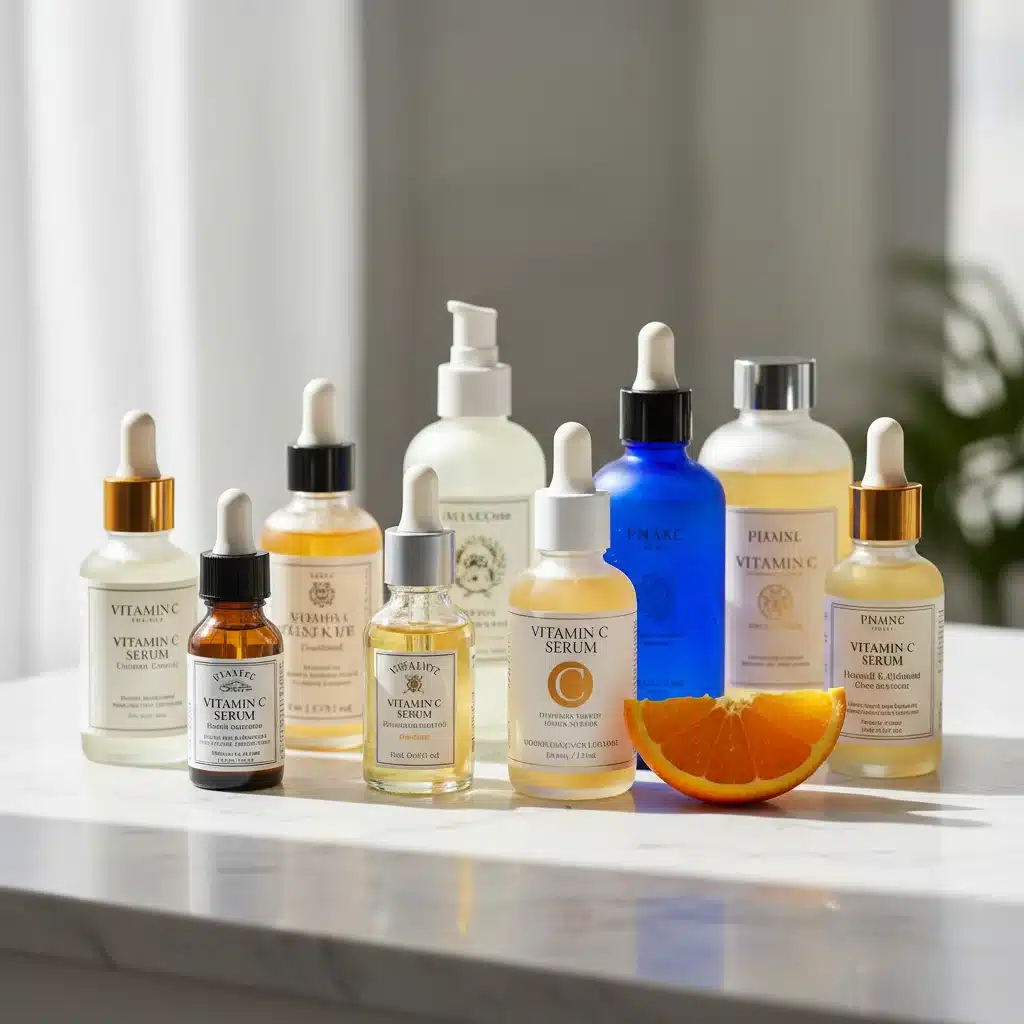
5. Mad Hippie Vitamin C Serum
Why it’s a top pick: Mad Hippie takes a gentler approach, utilizing Sodium Ascorbyl Phosphate (SAP), a stable and less irritating form of vitamin C, at a 10% concentration. This makes it an excellent choice for sensitive or acne-prone skin. It’s further boosted with Vitamin E, Ferulic Acid, Hyaluronic Acid, and Konjac Root Powder to hydrate, plump, and soothe the skin. Its natural ingredient profile and ethical practices also appeal to a broad audience, solidifying its place among the best vitamin C serums for sensitive skin.
Ideal for: Sensitive skin, acne-prone skin, and those new to vitamin C.
6. Allies of Skin 35% Vitamin C Perfecting Serum
Why it’s a top pick: Pushing the boundaries of vitamin C concentration, Allies of Skin’s serum features an impressive 35% concentration of two stable vitamin C derivatives: Ethylated L-Ascorbic Acid and Tetrahexyldecyl Ascorbate. This high concentration, combined with powerful antioxidants like Superoxide Dismutase and Glutathione, delivers intense brightening, collagen support, and environmental protection without the irritation often associated with high L-AA formulas. It’s a luxurious, advanced treatment for those seeking significant results.
Ideal for: All skin types, especially those looking for a high-performance, stable vitamin C serum to address stubborn hyperpigmentation and advanced signs of aging.
How to Incorporate the Best Vitamin C Serums into Your Skincare Routine
Once you’ve chosen one of the best vitamin C serums for your skin, proper application is key to maximizing its benefits. Here’s a step-by-step guide:
1. Cleanse Your Face
Always start with a clean canvas. Use a gentle cleanser to remove makeup, dirt, and impurities from your skin. Pat your face dry with a clean towel.
2. Apply Toner (Optional)
If you use a toner, apply it after cleansing. This can help balance your skin’s pH and prepare it for better absorption of subsequent products.
3. Apply Your Vitamin C Serum
Dispense 3-5 drops of your chosen vitamin C serum into your palm. Gently press or pat the serum onto your face, neck, and décolletage. Avoid rubbing too vigorously. Allow the serum to fully absorb for a minute or two before moving on to the next step. Most dermatologists recommend applying vitamin C in the morning to leverage its antioxidant protection against daytime environmental aggressors.
4. Follow with Other Serums (If Applicable)
If you use other serums (e.g., hyaluronic acid, niacinamide), apply them after your vitamin C serum. Generally, apply products from thinnest to thickest consistency.
5. Moisturize
Lock in all the goodness with a hydrating moisturizer. This helps to create a barrier, preventing moisture loss and keeping your skin supple.
6. Apply Sunscreen (Crucial!)
This step is non-negotiable, especially when using vitamin C. While vitamin C provides some sun protection, it is NOT a substitute for sunscreen. Always finish your morning routine with a broad-spectrum SPF 30 or higher. This protects your skin from further sun damage and allows your vitamin C serum to work its magic more effectively.
Pro Tip: Store your vitamin C serum in a cool, dark place, away from direct sunlight and heat, to prolong its shelf life and potency. If your serum changes color (turns dark orange or brown) or develops an unusual smell, it has likely oxidized and should be discarded.
Common Myths and FAQs About Vitamin C Serums
Despite its popularity, several misconceptions about vitamin C serums persist. Let’s debunk some common myths and answer frequently asked questions to ensure you get the most out of your chosen product from our list of best vitamin C serums.
Myth 1: Higher concentration always means better results.
Fact: Not necessarily. While a certain concentration is needed for efficacy (typically 10-20% for L-Ascorbic Acid), going too high can lead to irritation without providing significantly better results. For sensitive skin, a lower concentration or a gentler derivative might be more effective in the long run.
Myth 2: Vitamin C makes your skin more sensitive to the sun.
Fact: Quite the opposite! Vitamin C is an antioxidant that helps protect your skin from sun damage. However, it’s not a sunscreen, and you should always follow up with a broad-spectrum SPF to fully protect your skin.
Myth 3: You can’t use vitamin C with niacinamide.
Fact: This myth stems from older research suggesting that L-Ascorbic Acid and Niacinamide could react to form nicotinic acid, which causes redness. However, modern formulations and stabilized forms of both ingredients mean they can be used together safely and effectively. If you have very sensitive skin, you might choose to apply them at different times of the day (e.g., vitamin C in the morning, niacinamide at night).
Myth 4: All vitamin C serums are created equal.
Fact: As discussed, the form of vitamin C, concentration, pH, and packaging all play a significant role in a serum’s effectiveness and stability. Investing in a well-formulated product from our best vitamin C serums list is crucial.
FAQ 1: How long does it take to see results from vitamin C serum?
Typically, you can expect to see initial improvements in brightness and texture within 4-8 weeks of consistent use. More significant changes, like reduction in hyperpigmentation and fine lines, may take 2-3 months or longer.
FAQ 2: Can I use vitamin C serum every day?
Yes, most people can use vitamin C serum daily, preferably in the morning. If you have sensitive skin, start with every other day and gradually increase frequency as your skin adjusts.
FAQ 3: What’s the best way to store vitamin C serum?
Store it in a cool, dark place, away from direct sunlight and heat. Refrigeration can help extend the life of some L-Ascorbic Acid formulas, especially after opening. Always keep the cap tightly closed.
FAQ 4: Can pregnant or breastfeeding individuals use vitamin C serum?
Vitamin C is generally considered safe during pregnancy and breastfeeding. However, it’s always best to consult with your doctor or dermatologist before introducing any new skincare products during this time.

Beyond the Bottle: Complementary Practices for a Brighter Complexion
While integrating one of the best vitamin C serums into your routine is a monumental step towards achieving radiant skin, maximizing its benefits often involves a holistic approach. Skincare is a symphony, and each instrument plays a vital role. Here are some complementary practices that will amplify the effects of your vitamin C serum and contribute to an overall healthier, brighter complexion:
1. Consistent Sun Protection
We’ve stressed this before, but it bears repeating: daily, consistent use of a broad-spectrum sunscreen with an SPF of 30 or higher is non-negotiable. UV radiation is the primary culprit behind premature aging, dark spots, and collagen degradation. Vitamin C helps mitigate some of this damage, but sunscreen acts as your first line of defense. Without it, you’re fighting an uphill battle, and even the best vitamin C serums will struggle to deliver their full potential.
2. Gentle Exfoliation
Regular, gentle exfoliation helps remove dead skin cells from the surface, allowing your vitamin C serum to penetrate more effectively. This can be achieved through chemical exfoliants like AHAs (alpha hydroxy acids) or BHAs (beta hydroxy acids), or a mild physical exfoliant. However, be cautious not to over-exfoliate, as this can compromise your skin barrier and lead to irritation, especially when combined with powerful actives like vitamin C. Introduce exfoliants gradually and listen to your skin.
3. Hydration from Within and Without
Hydrated skin is healthy skin. Drinking plenty of water throughout the day supports overall skin function, including its ability to repair and rejuvenate. Topically, pairing your vitamin C serum with hydrating ingredients like hyaluronic acid or ceramides can help plump the skin, improve its barrier function, and create a more receptive environment for the serum.
4. A Balanced Diet Rich in Antioxidants
What you put into your body significantly impacts your skin’s health. A diet rich in fruits, vegetables, and whole grains provides a wealth of antioxidants that work synergistically with topical vitamin C to combat oxidative stress. Think berries, leafy greens, nuts, and seeds – these are internal allies in your quest for a radiant complexion.
5. Adequate Sleep
Beauty sleep is not a myth! During sleep, your skin goes into repair mode, regenerating cells and producing collagen. Chronic sleep deprivation can lead to dullness, dark circles, and a compromised skin barrier. Aim for 7-9 hours of quality sleep each night to support your skin’s natural healing processes and enhance the effects of your best vitamin C serums.
6. Stress Management
Stress can manifest on the skin in various ways, including breakouts, dullness, and accelerated aging. Incorporating stress-reducing practices like meditation, yoga, or simply taking time for hobbies can have a profound positive impact on your skin’s appearance and overall well-being. A calm mind often translates to a calm, clear complexion.
By adopting these complementary practices, you’re not just applying a serum; you’re cultivating a lifestyle that promotes optimal skin health, allowing your chosen vitamin C serum to perform at its peak and reveal your most luminous skin.
Final Thoughts on Achieving Your Brightest Complexion with Best Vitamin C Serums
As we conclude our deep dive into the best vitamin C serums for 2026, it’s clear that this powerhouse ingredient remains an essential cornerstone of any effective skincare routine. Its unparalleled ability to brighten, protect, and rejuvenate makes it a true game-changer for those seeking a radiant, youthful complexion.
Remember, the journey to glowing skin is personal. What works for one person may not work for another. We’ve provided a curated list of top-tier vitamin C serums, each with its unique strengths, to help you navigate the vast market. Whether you prioritize potency, stability, gentleness, or a specific price point, there’s a vitamin C serum on our list that’s perfectly suited to your needs.
Beyond selecting the right product, consistency in application, diligent sun protection, and a holistic approach to wellness are paramount. Think of your vitamin C serum as a vital component of a larger strategy – a strategy that encompasses smart product choices, healthy habits, and a commitment to nurturing your skin.
Embrace the transformative power of vitamin C. With the right serum and a consistent, mindful approach to skincare, you’re not just investing in a product; you’re investing in the long-term health and luminosity of your skin. Here’s to a brighter, more radiant you in 2026 and beyond!