Future Fragrance Trends 2026: Sustainable Scents & Tech Infusion
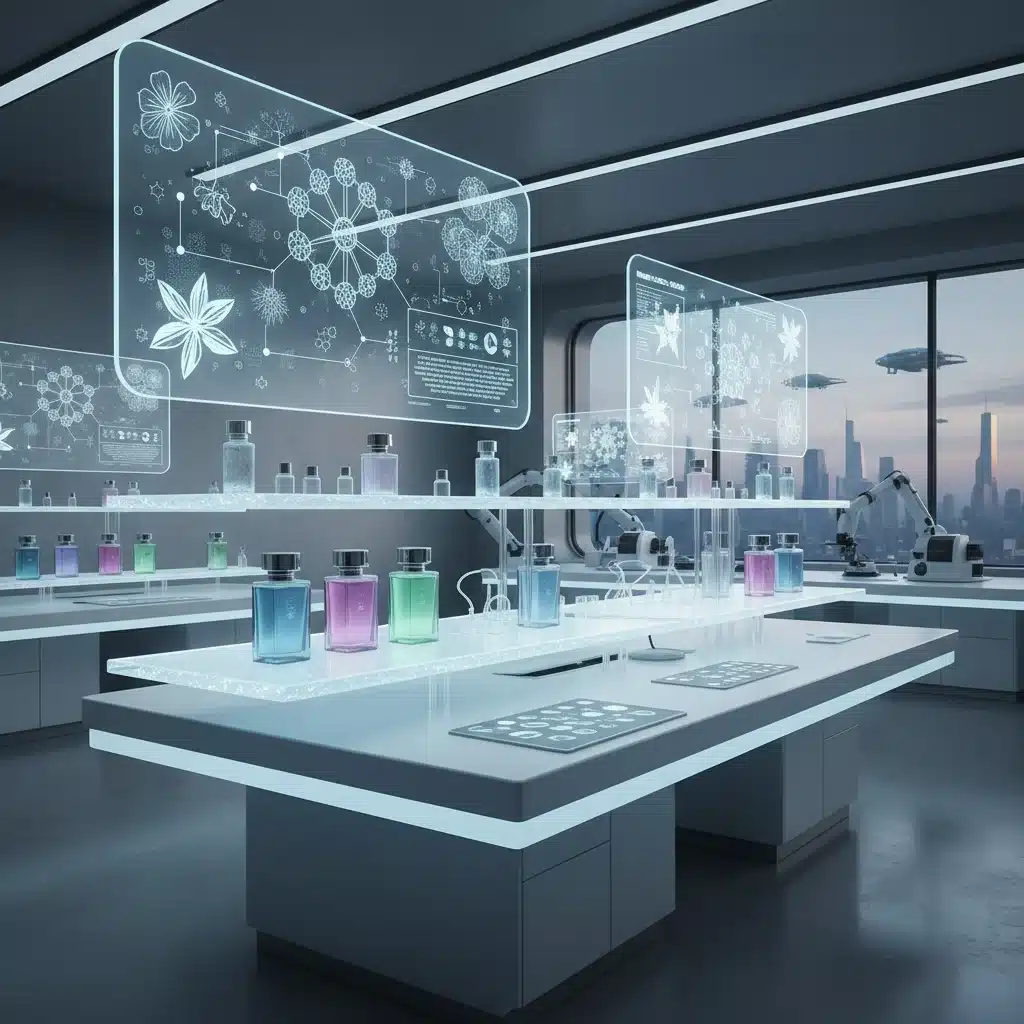
The world of fragrance is a constantly evolving landscape, a delicate balance of art, science, and sensory experience. As we approach 2026, the industry is poised for significant transformation, driven by shifts in consumer values, technological advancements, and a renewed focus on ethical practices. Gone are the days of simple, mass-produced scents. The future of fragrance is intricate, personal, and deeply connected to our planet and our identities. In this comprehensive exploration, we delve into the three most compelling emerging trends that will define perfume essentials in the coming years: the unwavering commitment to sustainable and ethical sourcing, the revolutionary impact of AI-driven personalization, and the powerful rise of gender-neutral scents.
These future fragrance trends are not merely fleeting fads; they represent fundamental shifts in how perfumes are created, marketed, and consumed. For brands, this means rethinking supply chains, investing in cutting-edge technology, and embracing inclusivity. For consumers, it promises a more conscious, tailored, and authentic olfactory journey. Understanding these trends is crucial for anyone looking to stay ahead in the dynamic and captivating realm of scent.
The Green Revolution: Sustainable and Ethical Sourcing in Future Fragrance Trends
The global consciousness around environmental impact and ethical practices has reached an undeniable peak, and the fragrance industry is no exception. Consumers are increasingly scrutinizing the origins of their products, demanding transparency and accountability from brands. This demand is propelling sustainable and ethical sourcing to the forefront of future fragrance trends, transforming every stage of the perfume creation process, from raw material extraction to packaging and disposal.
From Farm to Bottle: The Supply Chain Overhaul
At the heart of sustainable sourcing lies a profound re-evaluation of the raw materials that constitute our beloved scents. Traditionally, many aromatic ingredients were harvested without sufficient regard for ecological balance or the welfare of local communities. However, 2026 will see a significant acceleration in the shift towards responsible cultivation and wild harvesting practices. Brands are investing in partnerships with local farmers and communities, ensuring fair wages, safe working conditions, and agricultural methods that protect biodiversity and soil health. This includes supporting initiatives for regenerative agriculture, which not only avoids depletion but actively restores ecosystems.
For example, ingredients like sandalwood, vanilla, and oud, which have historically faced issues of overharvesting and illicit trade, are now being sourced from certified sustainable plantations or through innovative biotechnology methods that replicate their molecular structure without harming natural resources. The emphasis is on traceability, allowing consumers to understand the journey of each ingredient from its origin to their perfume bottle. Blockchain technology is even being explored to provide immutable records of supply chain integrity, further bolstering consumer trust in the authenticity and ethical nature of their fragrances.
Biotechnology and Green Chemistry: Innovation for Sustainability
Beyond traditional farming, scientific innovation is playing a pivotal role in shaping sustainable future fragrance trends. Biotechnology offers groundbreaking solutions, allowing for the creation of nature-identical molecules through fermentation or cell culture, bypassing the need for extensive land use or potentially damaging extraction methods. This not only protects endangered plant species but also provides a consistent and high-quality supply of aromatic compounds.
Green chemistry principles are also being applied to the extraction and synthesis processes. This means developing methods that use less energy, produce fewer hazardous byproducts, and utilize safer solvents, such as supercritical CO2 extraction, which is solvent-free and environmentally benign. The goal is to minimize the ecological footprint at every step, ensuring that the creation of a beautiful scent does not come at the expense of the planet.
Eco-Conscious Packaging: Beyond the Bottle
The conversation around sustainability extends far beyond the liquid inside the bottle. Packaging, which often contributes significantly to environmental waste, is undergoing a radical transformation. Brands are moving away from single-use plastics and non-recyclable materials towards innovative, eco-friendly alternatives. This includes:
- Refillable Systems: Elegant, durable perfume bottles designed to be refilled, significantly reducing waste.
- Recycled and Recyclable Materials: Utilizing glass, aluminum, and paperboard made from post-consumer recycled content, and ensuring that packaging components are easily recyclable by the consumer.
- Biodegradable and Compostable Packaging: Exploring materials that naturally break down after use, returning to the earth without leaving harmful residues.
- Minimalist Design: Reducing excess packaging, such as unnecessary inserts or elaborate boxes, to minimize material consumption.
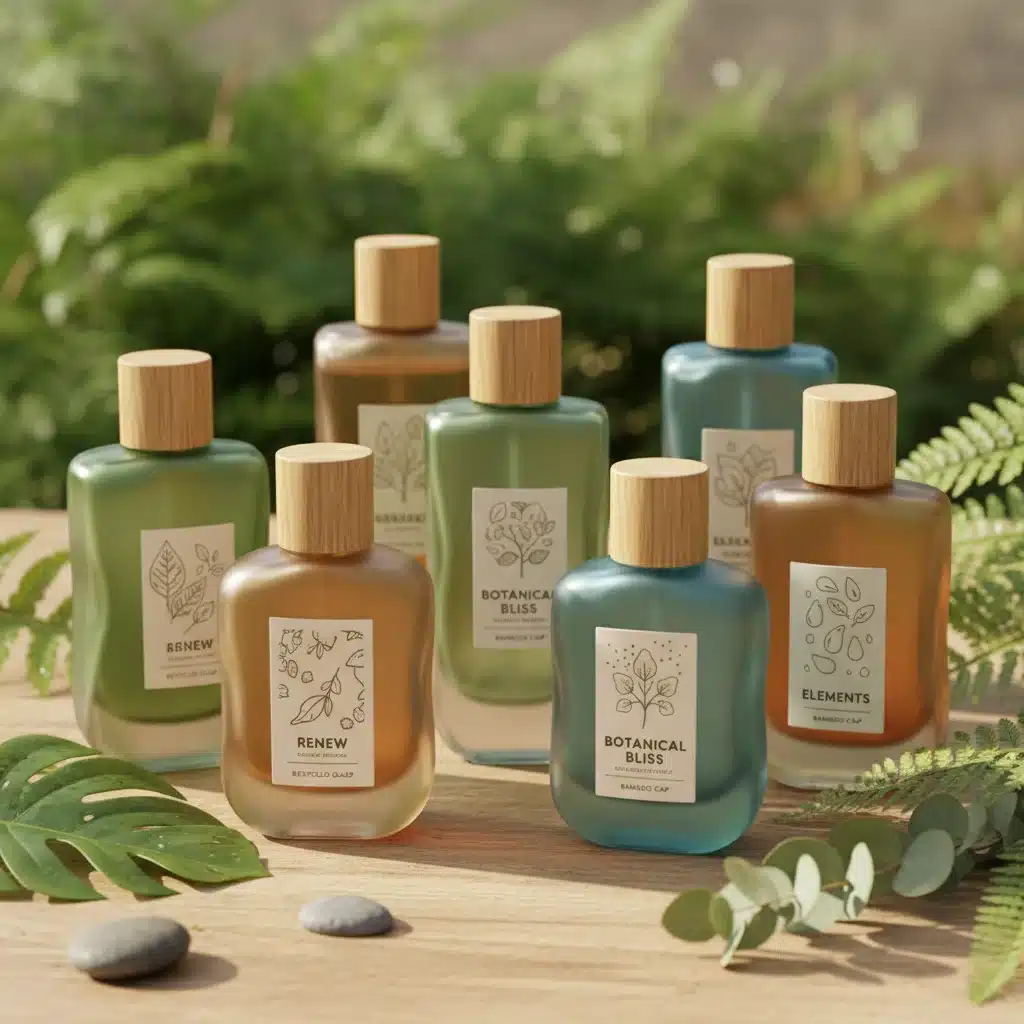
The aesthetic of sustainable packaging is also evolving, often embracing a minimalist, natural, and sophisticated look that communicates its eco-friendly credentials. This commitment to responsible packaging is a non-negotiable aspect of future fragrance trends, reflecting a holistic approach to environmental stewardship.
AI-Driven Personalization: The Bespoke Scent Revolution
In an era where every consumer seeks unique experiences, personalization is king. The fragrance industry, with its inherently personal nature, is perfectly positioned to leverage artificial intelligence to deliver unparalleled bespoke scent creation. AI-driven personalization is set to be one of the most exciting future fragrance trends, moving beyond simple questionnaires to deeply understand individual preferences and even physiological responses.
Beyond Algorithms: Understanding Olfactory Preferences
Traditional perfume selection often relies on trial and error, a process that can be overwhelming and often leads to suboptimal choices. AI is changing this by analyzing vast datasets of fragrance notes, consumer reviews, purchasing patterns, and even physiological data. Imagine an AI system that:
- Analyzes Your Scent History: By tracking your past purchases and even scents you’ve liked or disliked on social media, AI can build a comprehensive profile of your olfactory preferences.
- Interprets Your Lifestyle: Inputting details about your daily routine, climate, preferred activities, and even mood can help AI suggest scents that align with your lifestyle. For instance, a high-energy individual might be guided towards invigorating citrus and aquatic notes, while someone seeking calm might prefer soothing lavender and chamomile.
- Considers Your Skin Chemistry: Advanced AI could potentially integrate data from wearable sensors or even at-home testing kits to understand how your unique skin chemistry interacts with different fragrance compounds, providing recommendations that are truly optimized for your body.
- Learns from Your Feedback: The more you interact with an AI perfume recommendation system, the smarter it becomes. Your feedback on suggested scents, even subtle nuances, refines its understanding of your preferences over time, leading to increasingly accurate recommendations.
This level of data-driven insight allows for the creation of highly personalized scent profiles, guiding consumers towards fragrances they are far more likely to adore, reducing returns and increasing satisfaction. This is a monumental leap in how we discover and connect with scents, making AI a cornerstone of future fragrance trends.
The Rise of Custom Scent Creation Platforms
The ultimate expression of AI-driven personalization lies in custom scent creation platforms. These platforms, often accessible online or through interactive in-store experiences, allow consumers to become co-creators of their own unique perfumes. Here’s how they work:
- Interactive Interfaces: Users engage with intuitive digital interfaces, often touchscreens or holographic displays, to select base notes, heart notes, and top notes from a curated library of ingredients.
- AI Guidance: As users make selections, the AI provides real-time feedback, suggesting complementary notes, warning against discordant combinations, and even predicting the overall character and longevity of the resulting fragrance.
- Virtual Scent Simulation: Advanced platforms might even offer a virtual simulation of the scent, allowing users to experience a digital approximation before physical blending.
- On-Demand Blending: Once the desired formula is perfected, robotic systems or skilled perfumers, guided by AI, can blend and bottle the custom scent on the spot or ship it directly to the consumer.
This bespoke approach transforms perfume from a commodity into a deeply personal statement, reflecting the individual’s unique taste and personality. The ability to craft a fragrance that is truly ‘yours’ is a powerful draw and a defining characteristic of future fragrance trends.
Ethical Considerations and Data Privacy
As AI becomes more integrated into personal experiences, ethical considerations and data privacy become paramount. Brands embracing AI-driven personalization must prioritize transparent data collection practices, secure data storage, and clear consent mechanisms. Consumers need to feel confident that their personal preferences and data are being used responsibly and ethically. Building trust in these AI systems will be crucial for their widespread adoption and continued success as a future fragrance trend.

Breaking Down Barriers: The Ascendance of Gender-Neutral Scents
For decades, the fragrance market has been rigidly segmented by gender, with distinct marketing, packaging, and scent profiles for men and women. However, societal shifts towards greater inclusivity and fluidity are dismantling these traditional boundaries. The rise of gender-neutral fashion is not just a trend; it’s a profound cultural movement that will reshape the perfume industry and is undoubtedly one of the most impactful future fragrance trends.
Deconstructing Olfactory Stereotypes
The notion that certain notes are inherently masculine or feminine is a social construct, not a biological reality. Floral notes like rose and jasmine have often been relegated to women’s perfumes, while woody and spicy notes like cedar and patchouli were considered masculine. Gender-neutral fragrances challenge these antiquated stereotypes by embracing a broader spectrum of notes and creating compositions that appeal across the gender spectrum.
This involves:
- Balanced Compositions: Perfumers are skillfully blending traditionally ‘masculine’ and ‘feminine’ notes to create harmonious and intriguing scents that transcend conventional categories. Imagine a fragrance that combines the freshness of bergamot with the warmth of amber, or the sweetness of fig with the earthiness of vetiver.
- Focus on Emotion and Experience: Instead of marketing to gender, brands are focusing on the emotions and experiences a scent evokes – confidence, serenity, adventure, creativity. This allows individuals to choose fragrances based on personal resonance rather than prescribed gender roles.
- Minimalist and Inclusive Packaging: Packaging for gender-neutral scents often features clean lines, minimalist designs, and neutral color palettes, avoiding overt masculine or feminine cues. The focus is on the quality of the scent and its universal appeal.
The beauty of gender-neutral fragrances lies in their liberation. They empower individuals to choose a scent that truly reflects their identity, mood, and personal style, free from societal expectations. This freedom of expression is a powerful driver behind this significant future fragrance trend.
The Influence of Gen Z and Millennial Consumers
The driving force behind the gender-neutral movement, across various industries, is largely attributed to Gen Z and millennial consumers. These generations are characterized by their progressive views on gender identity, their rejection of traditional norms, and their demand for authentic and inclusive brands. They are less interested in fitting into predefined boxes and more focused on self-expression and individuality.
For these consumers, a fragrance is an extension of their identity, and they seek scents that resonate with their values. Brands that embrace gender fluidity and offer inclusive product lines are more likely to gain their loyalty. As these demographics continue to grow in purchasing power, the influence of gender-neutrality on future fragrance trends will only intensify.
Expanding the Olfactory Palette for Everyone
The move towards gender-neutrality also encourages perfumers to innovate and experiment with a wider array of ingredients and combinations. By shedding the constraints of gendered marketing, creators are free to explore uncharted olfactory territories, resulting in more complex, nuanced, and exciting fragrances for everyone. This expansion of the creative palette benefits the entire industry, pushing the boundaries of what a scent can be and how it can be perceived.
Ultimately, gender-neutral scents are about more than just fragrance; they are about fostering a more inclusive and accepting world. They symbolize a shift towards recognizing and celebrating the diversity of human experience, making them a truly transformative aspect of future fragrance trends.
The Intersection of Trends: A Holistic Future for Fragrance
While we’ve discussed these three future fragrance trends individually, it’s important to recognize that they are not isolated phenomena. In fact, their true power lies in their intersection and synergy. A truly innovative fragrance brand in 2026 will likely embody elements of all three.
Imagine a perfume crafted from sustainably sourced, rare botanicals, blended precisely to your unique preferences by an AI algorithm, and marketed in a gender-neutral way that celebrates individuality. This holistic approach represents the pinnacle of future fragrance innovation, offering consumers a product that is not only beautiful and personal but also ethically sound and environmentally responsible.
The integration of these trends signifies a maturation of the fragrance industry, moving beyond superficial aesthetics to embrace deeper values. It’s about creating scents that tell a story, scents that resonate on a personal level, and scents that contribute positively to the world. The future of fragrance is not just about smelling good; it’s about feeling good about what you wear and the impact it has.
Challenges and Opportunities in the Evolving Fragrance Landscape
Embracing these future fragrance trends comes with both challenges and immense opportunities. For brands, the challenges include significant investment in new technologies, overhauling complex supply chains, and educating consumers about the value of sustainable and personalized products. However, the opportunities are even greater.
Brands that successfully navigate these shifts will build stronger customer loyalty, attract new demographics, and differentiate themselves in a competitive market. They will be seen as pioneers, leaders in an industry that is increasingly valued for its innovation, ethics, and ability to connect with consumers on a deeper level. The ability to offer a truly unique, responsible, and personalized olfactory experience will be the ultimate differentiator.
For consumers, the opportunities are equally exciting. The future promises a world of fragrances that are more diverse, more authentic, and more aligned with their personal values. The journey of discovering a new scent will be transformed from a simple purchase into an engaging, educational, and deeply personal experience. From understanding the origin of every ingredient to crafting a bespoke aroma that perfectly captures their essence, consumers will have unprecedented control and insight into their fragrance choices.
Conclusion: Scenting the Future
The future of fragrance is bright, innovative, and deeply conscious. As we look towards 2026, the convergence of sustainable and ethical sourcing, AI-driven personalization, and the rise of gender-neutral scents will redefine what we expect from our perfumes. These future fragrance trends are not just about new products; they are about a new philosophy – one that values transparency, individuality, and responsibility.
The industry is moving towards a more thoughtful and connected approach to scent, where every spritz tells a story of innovation, environmental care, and personal expression. Whether you are a brand striving for relevance or a consumer seeking your next signature scent, understanding these transformative trends is key to navigating and enjoying the fragrant world of tomorrow. Prepare to embark on an olfactory journey that is as enriching for the soul as it is for the senses, where every perfume is a testament to a more sustainable, personalized, and inclusive future.