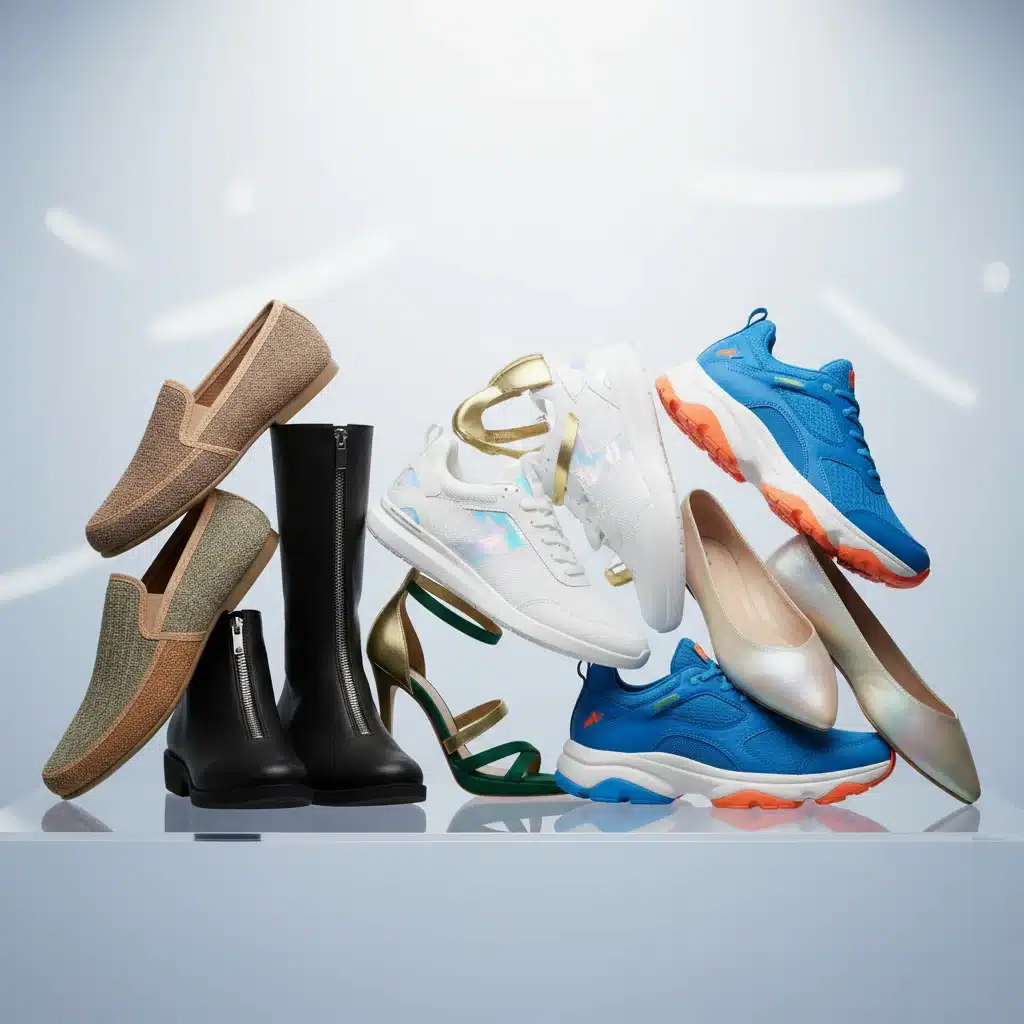
The 2026 Guide to Footwear: Choosing the Right Shoes for Comfort and Style
Welcome to the definitive guide for navigating the exciting world of footwear in 2026. In an era where personal expression meets practical functionality, choosing the right shoes has never been more crucial. This year, the emphasis is firmly placed on achieving the perfect synergy between footwear comfort style, ensuring that your steps are not only fashionable but also supported and pain-free. Gone are the days of sacrificing one for the other; 2026 demands both. Whether you’re a trendsetter, an athlete, a professional, or simply someone who values well-being, understanding the latest innovations and timeless principles of shoe selection is paramount.
The landscape of footwear is constantly evolving, driven by technological advancements, sustainable practices, and shifting fashion sensibilities. Our goal with this comprehensive guide is to equip you with the knowledge and insights needed to make informed decisions, ensuring every pair of shoes you own contributes positively to your overall experience. We’ll delve into the science behind comfort, the art of style, and the ethical considerations that are shaping the industry. Prepare to embark on a journey that will transform how you view and choose your footwear, making every step a statement of both elegance and ease.
Understanding the Pillars of Footwear Comfort Style in 2026
At the heart of 2026’s footwear philosophy lies a dual commitment: comfort and style. These aren’t just buzzwords; they are fundamental pillars that dictate design, material choice, and manufacturing processes. To truly appreciate the best footwear offerings, it’s essential to understand what makes a shoe comfortable and what defines its style in the current climate.
The Science of Comfort: Beyond Softness
Comfort in footwear extends far beyond a plush insole. In 2026, it’s a complex interplay of biomechanics, material science, and ergonomic design. Manufacturers are increasingly leveraging advanced research to create shoes that support the natural mechanics of the foot, reducing strain and preventing injuries. Key elements contributing to superior comfort include:
- Arch Support: Proper arch support is crucial for distributing pressure evenly across the foot, preventing conditions like plantar fasciitis and ensuring stability. Different arch types (flat, neutral, high) require specific support structures.
- Cushioning Technology: Modern cushioning systems utilize innovative materials like responsive foams (e.g., EVA, Boost, React) and gel inserts that absorb impact and return energy, providing a springy feel with every step. The density and placement of cushioning are tailored for specific activities.
- Flexibility and Rigidity: A well-designed shoe strikes a balance between flexibility in the forefoot for natural toe-off and rigidity in the midfoot for stability. This prevents excessive foot movement while allowing for natural gait.
- Breathability: Materials like engineered mesh, knitted fabrics, and perforated leathers promote air circulation, keeping feet cool and dry, which is vital for long-term comfort and hygiene.
- Fit and Sizing: The importance of correct sizing cannot be overstated. A shoe that is too tight or too loose can cause blisters, bunions, and other foot ailments. Many brands now offer half sizes and various widths to accommodate diverse foot shapes.
- Weight: Lighter shoes reduce fatigue, especially during prolonged wear or athletic activities. Advances in material science allow for robust yet lightweight constructions.
- Anatomical Lasts: The ‘last’ is the mold around which a shoe is built. Modern lasts are designed to mimic the natural shape of the human foot more accurately, ensuring a glove-like fit.
Understanding these elements helps in identifying truly comfortable footwear, moving beyond superficial appearances to assess genuine ergonomic benefits. Investing in shoes that prioritize these comfort features is an investment in your long-term foot health and overall well-being. The pursuit of optimal footwear comfort style begins with a deep understanding of what makes a shoe truly supportive and pleasant to wear.
The Evolving Aesthetics of Style: More Than Just Trends
While comfort is foundational, style is the visible expression of your personality and adherence to contemporary fashion. In 2026, shoe style is characterized by a blend of innovation, sustainability, and a return to classic silhouettes reimagined with modern twists. Key stylistic trends and considerations include:
- Sustainable Materials: Eco-conscious consumers are driving demand for shoes made from recycled plastics, plant-based leathers, organic cotton, and other environmentally friendly resources. Brands are responding with stylish options that don’t compromise on aesthetics.
- Minimalist Designs: Clean lines, monochromatic palettes, and understated branding continue to dominate, offering versatility and timeless appeal. This aesthetic emphasizes quality materials and impeccable craftsmanship.
- Bold Silhouettes: Alongside minimalism, there’s a resurgence of chunky soles, exaggerated proportions, and architectural designs, particularly in sneakers and boots, offering a statement-making edge.
- Gender-Neutral Options: The blurring of traditional gender lines in fashion is evident in footwear, with many styles designed to be worn by anyone, focusing on universal appeal and fit.
- Texture Play: Mixing and matching textures—from smooth leathers to rough suedes, intricate knits, and technical fabrics—adds depth and interest to footwear designs.
- Vibrant Color Accents: While neutrals remain popular, pops of vibrant colors are used strategically to add personality and visual flair, often on soles, laces, or specific panels.
- Hybrid Styles: The line between formal and casual continues to blur, leading to hybrid shoes that combine elements of sneakers with dress shoes, or boots with athletic soles, offering adaptability for various occasions.
Choosing stylish footwear in 2026 means looking beyond fleeting trends to invest in pieces that reflect your personal aesthetic while also aligning with broader values like sustainability and versatility. The goal is to find shoes that not only look good but also complement your wardrobe and lifestyle, embodying true footwear comfort style.
Navigating Footwear Categories: Your 2026 Guide
The vast array of footwear categories can be daunting. To simplify your choices, let’s break down the main types of shoes and what to look for in each, keeping footwear comfort style at the forefront.
Athletic Footwear: Performance Meets Protection
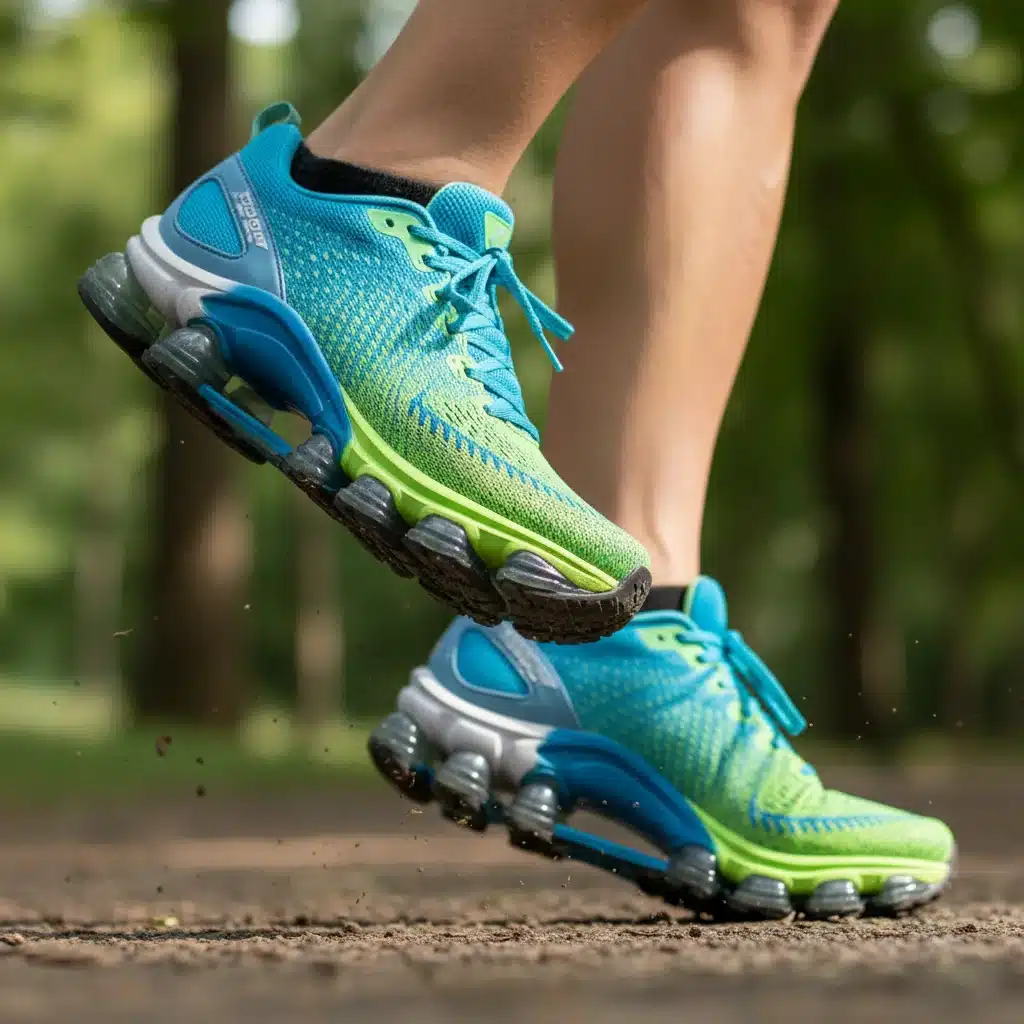
Athletic shoes are perhaps where the science of comfort is most evident. Whether you’re a runner, a gym enthusiast, or an avid hiker, the right athletic shoe is critical for performance, injury prevention, and comfort.
- Running Shoes: Look for shoes with advanced cushioning (e.g., gel, foam, air units), proper arch support for your foot type (neutral, stability, motion control), and a breathable upper. The outsole should provide good traction and durability. Brands like Hoka, Brooks, and New Balance are leaders in this space.
- Training Shoes: These are designed for multi-directional movement, lifting, and various gym activities. They typically have a flatter, more stable sole, good lateral support, and a durable upper. Nike Metcons and Reebok Nanos are popular choices.
- Hiking Boots/Shoes: Prioritize ankle support (for boots), waterproof membranes (like Gore-Tex), durable outsoles with aggressive lugs for traction on varied terrain, and protective toe caps. Comfort is paramount for long treks.
- Court Shoes (Tennis, Basketball): These require excellent lateral stability, ankle support, and responsive cushioning to handle quick stops, starts, and jumps.
Always try on athletic shoes with the type of socks you’ll wear, and ideally, test them out with a short walk or jog in the store. The fit should be snug but not tight, with enough room for your toes to wiggle.
Casual Footwear: Everyday Elegance and Ease
Casual shoes are your go-to for daily wear, offering a blend of relaxed style and consistent comfort. This category has seen significant innovation in 2026, with brands focusing on versatile designs and sustainable materials.
- Sneakers: The undisputed king of casual footwear, sneakers in 2026 range from minimalist white trainers to chunky, retro-inspired designs. Look for cushioned insoles, breathable uppers (knits, canvas), and durable rubber outsoles. Many brands are now incorporating recycled materials into their sneaker lines.
- Loafers and Moccasins: These slip-on styles offer timeless appeal. For comfort, seek out soft leather or suede uppers, flexible soles, and cushioned footbeds. They are perfect for smart-casual settings.
- Espadrilles and Sandals: Ideal for warmer weather, espadrilles offer a relaxed, stylish vibe with their jute soles. Sandals, from minimalist slides to supportive walking sandals, should prioritize arch support and adjustable straps for a secure fit.
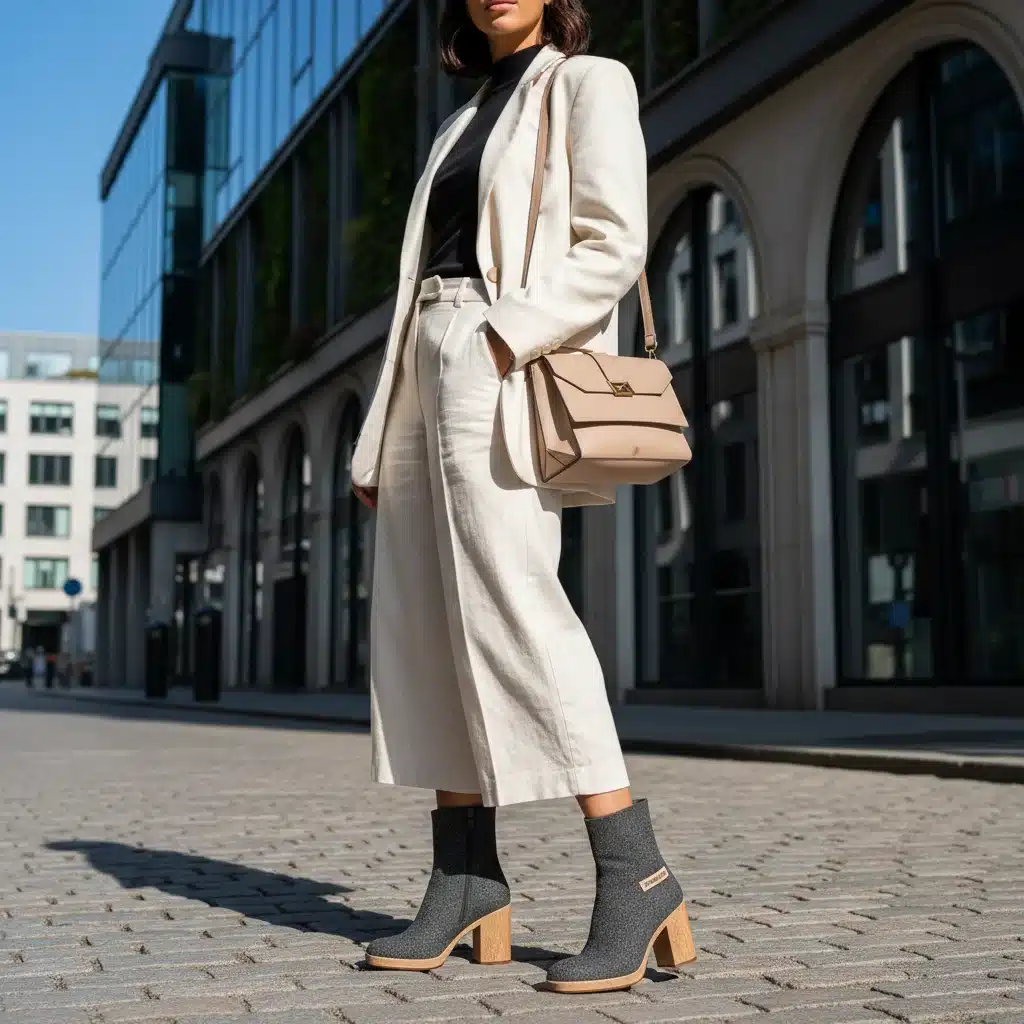
- Boots (Casual): Ankle boots, Chelsea boots, and chukka boots are versatile choices for cooler weather. Opt for quality leather or suede, comfortable lining, and a sturdy yet flexible sole.
The key to casual footwear is versatility. Choose styles and colors that can easily transition between different outfits and occasions, always prioritizing a comfortable fit for extended wear. The goal is effortless footwear comfort style for your everyday adventures.
Formal and Dress Footwear: Sophistication with Support
Dress shoes, traditionally associated with stiffness and discomfort, have undergone a revolution in 2026. Designers are integrating ergonomic features and innovative materials to ensure that formal occasions no longer mean aching feet.
- Dress Shoes (Oxfords, Derbies, Loafers): Look for high-quality leather that molds to your foot, cushioned insoles (some brands offer removable ones for custom orthotics), and flexible outsoles. Goodyear welt construction is a sign of durability and reparability.
- Heels and Pumps: For women, comfort in heels is significantly improved with features like wider toe boxes, cushioned footbeds, and stable block heels or wedges instead of stilettos. Anatomically designed insoles are also making a difference.
- Dress Boots: Chelsea boots and dressier lace-up boots can be excellent formal options. Ensure they have a comfortable lining, good arch support, and a polished finish.
When selecting formal footwear, consider the duration you’ll be wearing them. For events requiring long periods of standing, prioritize subtle comfort features without compromising on the elegant aesthetic. The fusion of traditional craftsmanship with modern comfort technology is defining 2026’s approach to formal footwear comfort style.
Key Considerations When Choosing Your 2026 Footwear
Beyond categories, several overarching factors should influence your footwear choices in 2026. These considerations ensure you select shoes that are not only fashionable but also functional and responsible.
Material Matters: Durability, Breathability, and Sustainability
The materials used in shoe construction significantly impact comfort, durability, and environmental footprint.
- Natural Materials: Leather (full-grain, top-grain), suede, cotton, wool, and linen offer breathability, durability, and a classic aesthetic. Leather, in particular, molds to the foot over time, enhancing comfort.
- Synthetic Materials: Engineered mesh, synthetic leathers, and various plastics offer lightweight properties, water resistance, and often greater flexibility. Many synthetic materials are now being developed from recycled sources.
- Sustainable Options: Keep an eye out for certifications like GOTS (Global Organic Textile Standard) for cotton, recycled content claims (e.g., recycled PET bottles), and innovative plant-based materials like mushroom leather or pineapple leather. Brands committed to transparency about their supply chains are also a good sign. Choosing sustainable options contributes to a better future, aligning with the ethical demands of 2026 footwear comfort style.
The Importance of Fit: More Than Just Length
A proper fit is the cornerstone of comfort and foot health. It’s not just about shoe size; it’s about the overall shape and volume of the shoe relative to your foot.
- Measure Your Feet Regularly: Foot size can change over time due to age, weight fluctuations, or even pregnancy. Get your feet measured annually, especially if you’re experiencing discomfort.
- Consider the Widest Part of Your Foot: The ball of your foot should fit comfortably in the widest part of the shoe. There should be no pinching or squeezing.
- Toe Room: You should have about a thumb’s width of space between your longest toe and the end of the shoe. Your toes should be able to wiggle freely.
- Heel Fit: Your heel should feel secure without slipping excessively. Excessive heel slip can lead to blisters.
- Try Shoes On: Always try on shoes, preferably at the end of the day when your feet are slightly swollen. Walk around in them to assess comfort and fit.
- Socks Matter: Wear the type of socks you typically wear with that particular shoe style when trying them on.
Activity and Occasion: Matching Shoes to Your Lifestyle
The activity you’ll be performing and the occasion for which you’re dressing should heavily influence your shoe choice. A shoe designed for running will not provide the necessary support for weightlifting, nor will a formal heel be comfortable for a day of sightseeing.
- Athletic Activities: Specific sports require specialized footwear. Don’t compromise on performance or safety by wearing inappropriate shoes.
- Work Environment: Consider the dress code, the amount of standing or walking required, and any safety regulations (e.g., non-slip soles, steel toes).
- Social Events: Choose shoes that complement your outfit and are appropriate for the setting, keeping comfort in mind if you’ll be on your feet for hours.
- Travel: Pack versatile, comfortable shoes that can handle various terrains and activities. Lightweight and packable options are a bonus.
By consciously matching your footwear to the intended use, you ensure optimal footwear comfort style and longevity for your shoes.
The Future of Footwear: What to Expect Beyond 2026
The innovations we see in 2026 are just a stepping stone to an even more exciting future for footwear. The industry is rapidly evolving, driven by technological advancements and a growing consciousness about environmental impact and personalized experiences.
Hyper-Personalization and Customization
Imagine shoes perfectly molded to your unique foot shape, gait, and activity needs. The future will likely see widespread adoption of 3D scanning and printing technologies to create truly bespoke footwear. This could involve:
- On-Demand Manufacturing: Producing shoes only when ordered, reducing waste and inventory.
- Custom Insoles and Midsoles: Tailored cushioning and support based on individual biomechanics.
- Personalized Aesthetics: Allowing consumers to design their own shoe elements, from colorways to material textures, creating truly unique pieces that reflect their individual footwear comfort style.
Advanced Smart Footwear
While smart shoes exist today, future iterations will be far more integrated and intelligent.
- Integrated Sensors: Shoes that monitor gait, stride, pressure points, and even vital signs, providing real-time feedback for athletes and health-conscious individuals.
- Adaptive Cushioning: Midsoles that can dynamically adjust their firmness or responsiveness based on the wearer’s activity or terrain.
- Self-Lacing and Self-Adjusting Systems: Further advancements in automatic lacing and fit adjustment for ultimate convenience and precision.
- Temperature Regulation: Materials that can actively heat or cool the foot, adapting to environmental conditions.
Circular Economy and Extreme Sustainability
The push for sustainability will intensify, leading to a truly circular footwear economy.
- Biodegradable Materials: Shoes made from materials that can safely decompose at the end of their life cycle, returning nutrients to the earth.
- Modular Design: Footwear designed with easily replaceable components (soles, uppers) to extend lifespan and facilitate recycling.
- Repair and Recycling Programs: Widespread initiatives by brands to take back old shoes for repair, refurbishment, or complete material recycling.
- Waterless Dyeing and Manufacturing: Innovations to drastically reduce water consumption in production processes.
These future trends promise an even greater emphasis on ethical production, environmental responsibility, and unparalleled personalization, solidifying the importance of informed choices in footwear comfort style for years to come.
Maintaining Your Footwear for Lasting Comfort and Style
Even the most perfectly chosen shoes require proper care to maintain their comfort, style, and longevity. A little effort goes a long way in preserving your investment and ensuring your footwear continues to serve you well.
- Regular Cleaning: Dirt and grime can degrade materials over time. Clean your shoes regularly according to their material. Leather requires conditioning, while fabric shoes can often be gently scrubbed with mild soap and water.
- Proper Storage: Store shoes in a cool, dry place away from direct sunlight. Use shoe trees for leather shoes to maintain their shape and absorb moisture. Keep them in their original boxes or dust bags to protect them from dust and scratches.
- Rotate Your Shoes: Don’t wear the same pair of shoes every day. Giving them a day or two to air out helps them dry completely and extends their lifespan.
- Protect from Elements: Use waterproof sprays for leather and suede, especially in wet climates. Avoid prolonged exposure to extreme heat or cold, which can damage materials.
- Repair, Don’t Replace: For quality shoes, consider professional repairs for worn soles, heels, or damaged stitching. This is often more sustainable and cost-effective than buying new, especially for expensive pairs.
- Replace Insoles: If your shoes’ cushioning starts to feel flat, consider replacing the insoles. Many brands offer replacement insoles, or you can opt for aftermarket options for enhanced arch support or cushioning.
By adhering to these simple maintenance practices, you ensure that your chosen footwear continues to offer optimal footwear comfort style, making them a reliable and stylish part of your wardrobe for years to come.
Conclusion: Step into 2026 with Confidence and Comfort
The year 2026 marks a significant period in footwear, where the convergence of comfort, style, and sustainability creates an unparalleled selection for every individual. From the innovative designs of athletic trainers to the refined elegance of dress shoes, the modern consumer no longer has to compromise. By understanding the key principles of ergonomic design, material science, and current fashion trends, you are empowered to make choices that truly enhance your daily life.
Remember that investing in quality footwear is an investment in your health, well-being, and personal expression. Prioritize proper fit, consider the specific needs of your activities, and embrace the growing array of sustainable options. As we look to the future, the trends of hyper-personalization, smart technology, and a circular economy promise even more exciting developments, ensuring that our feet will be well-cared for and stylishly adorned.
So, step confidently into 2026, armed with the knowledge from this guide. Choose your shoes wisely, care for them diligently, and enjoy the perfect blend of footwear comfort style that the year has to offer. Your feet will thank you, and your wardrobe will shine.